
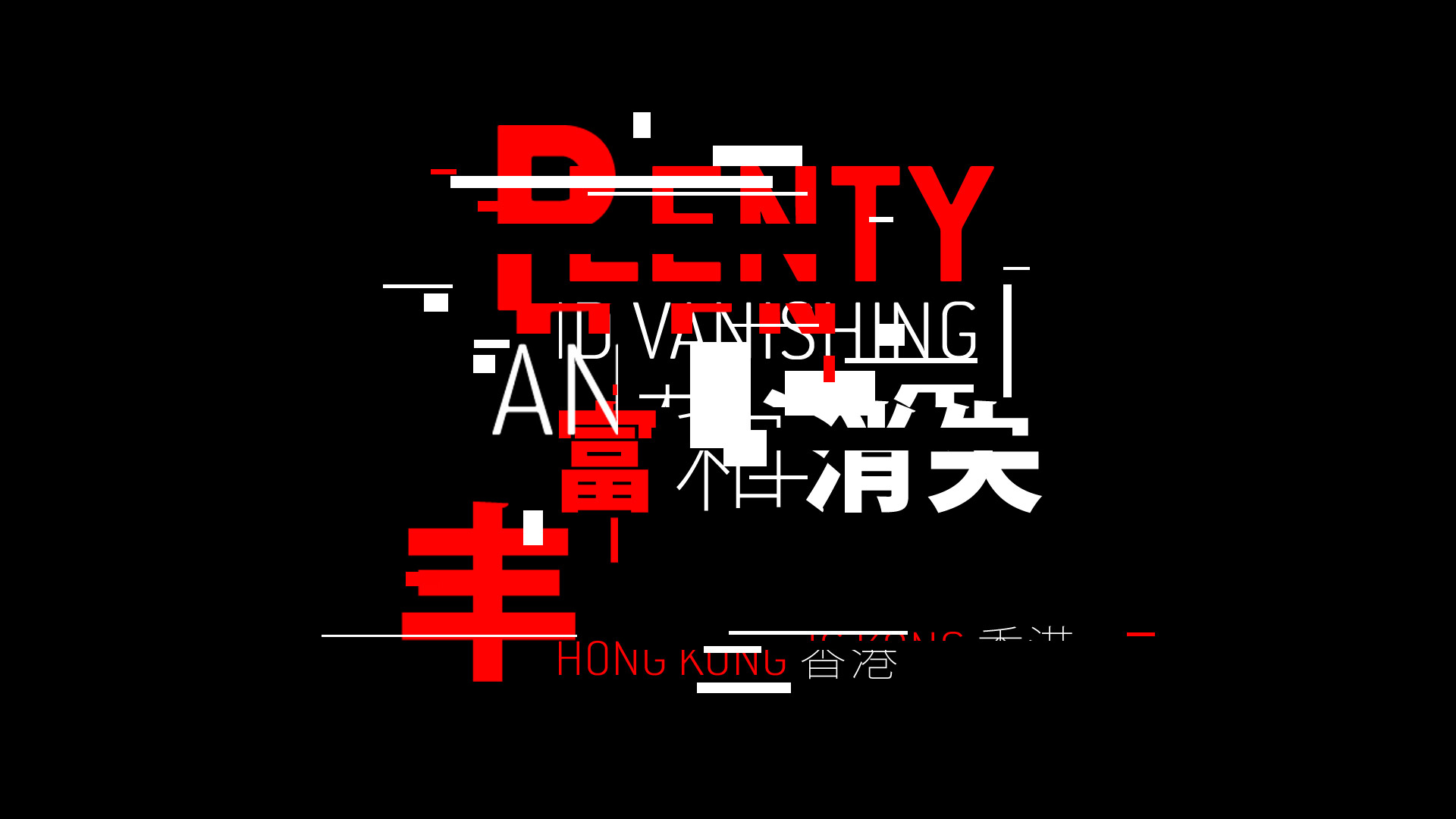
Plenty Vanishing in Hong Kong: The Abundance of Urban Signs
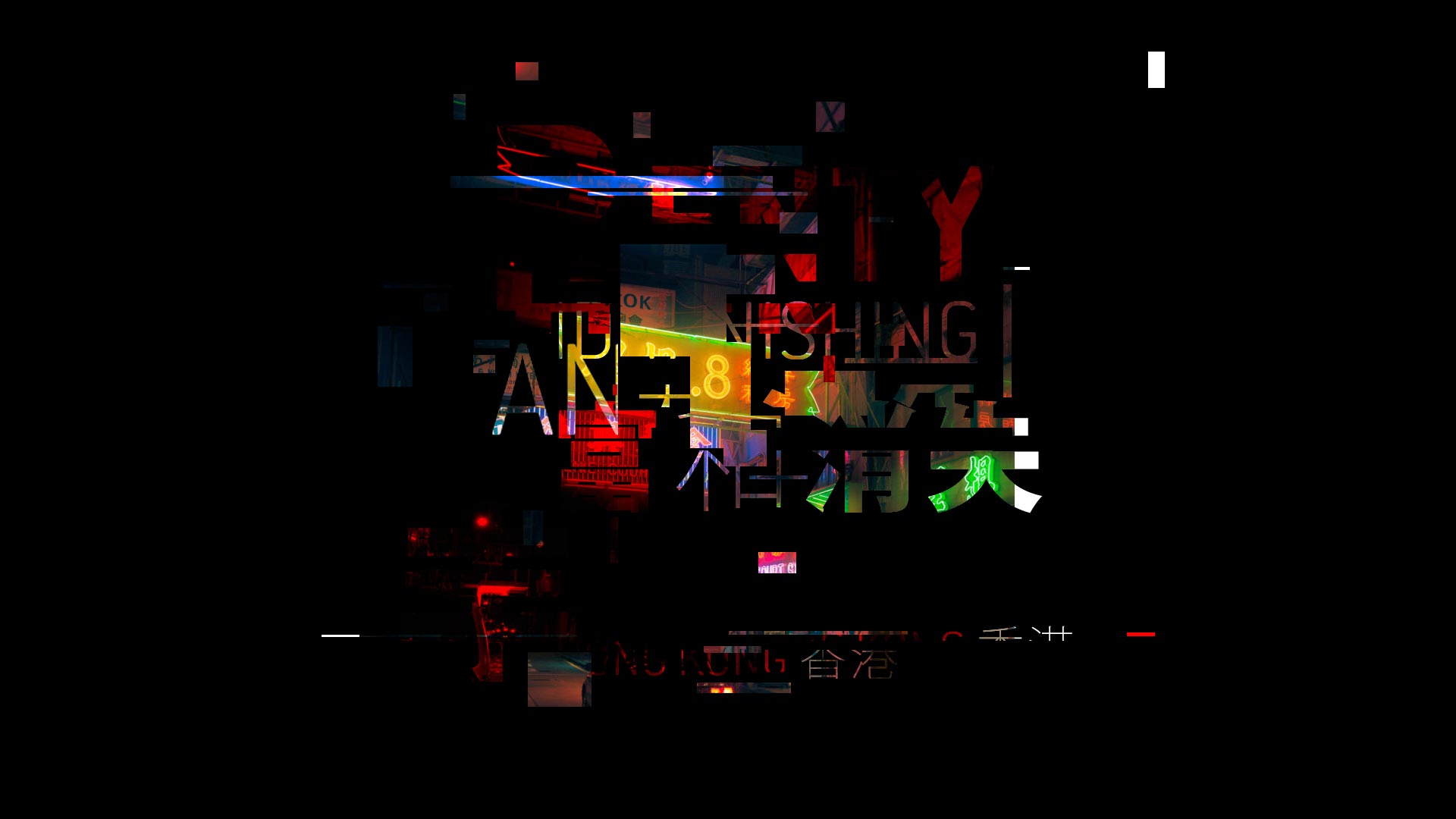
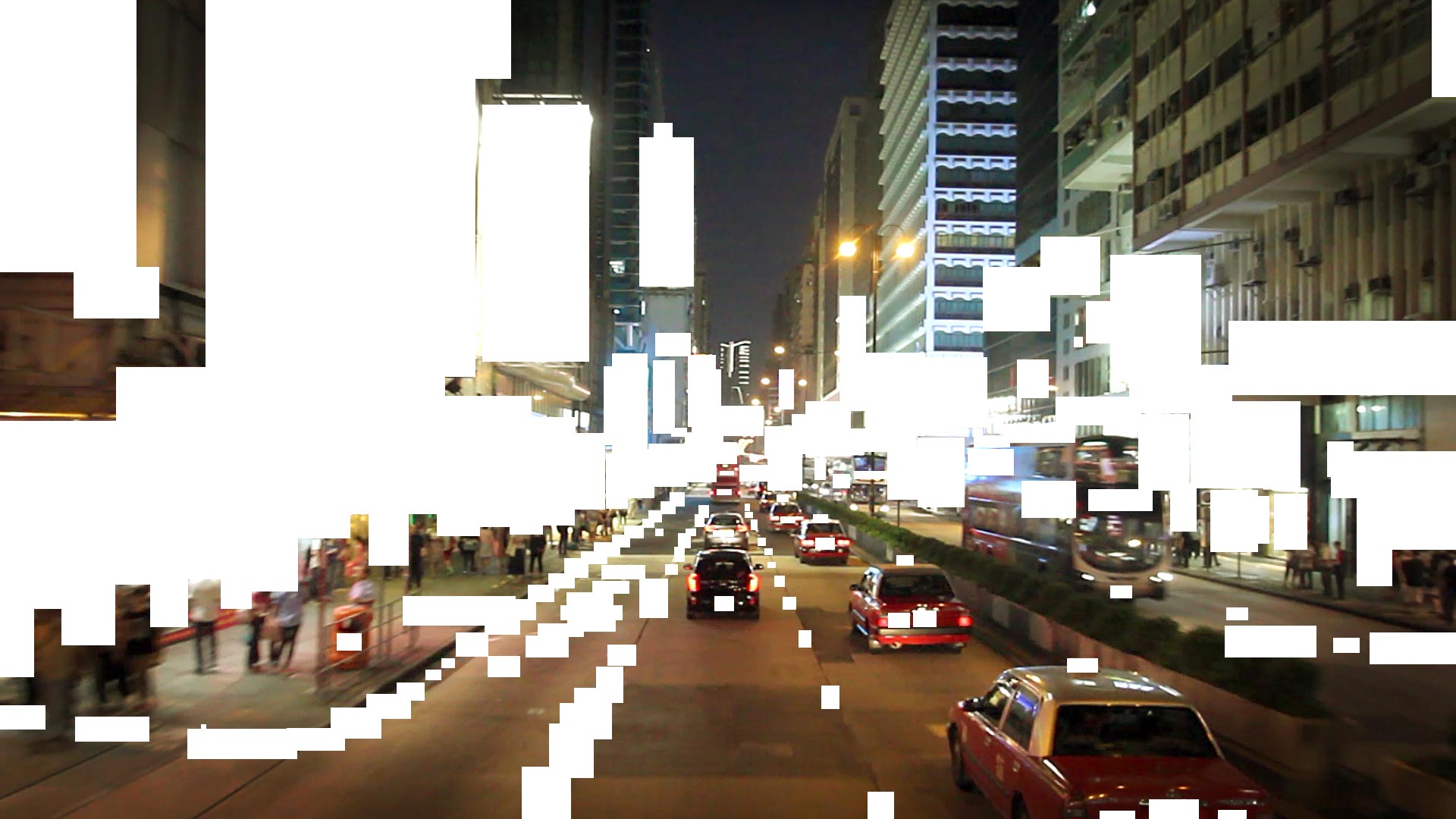
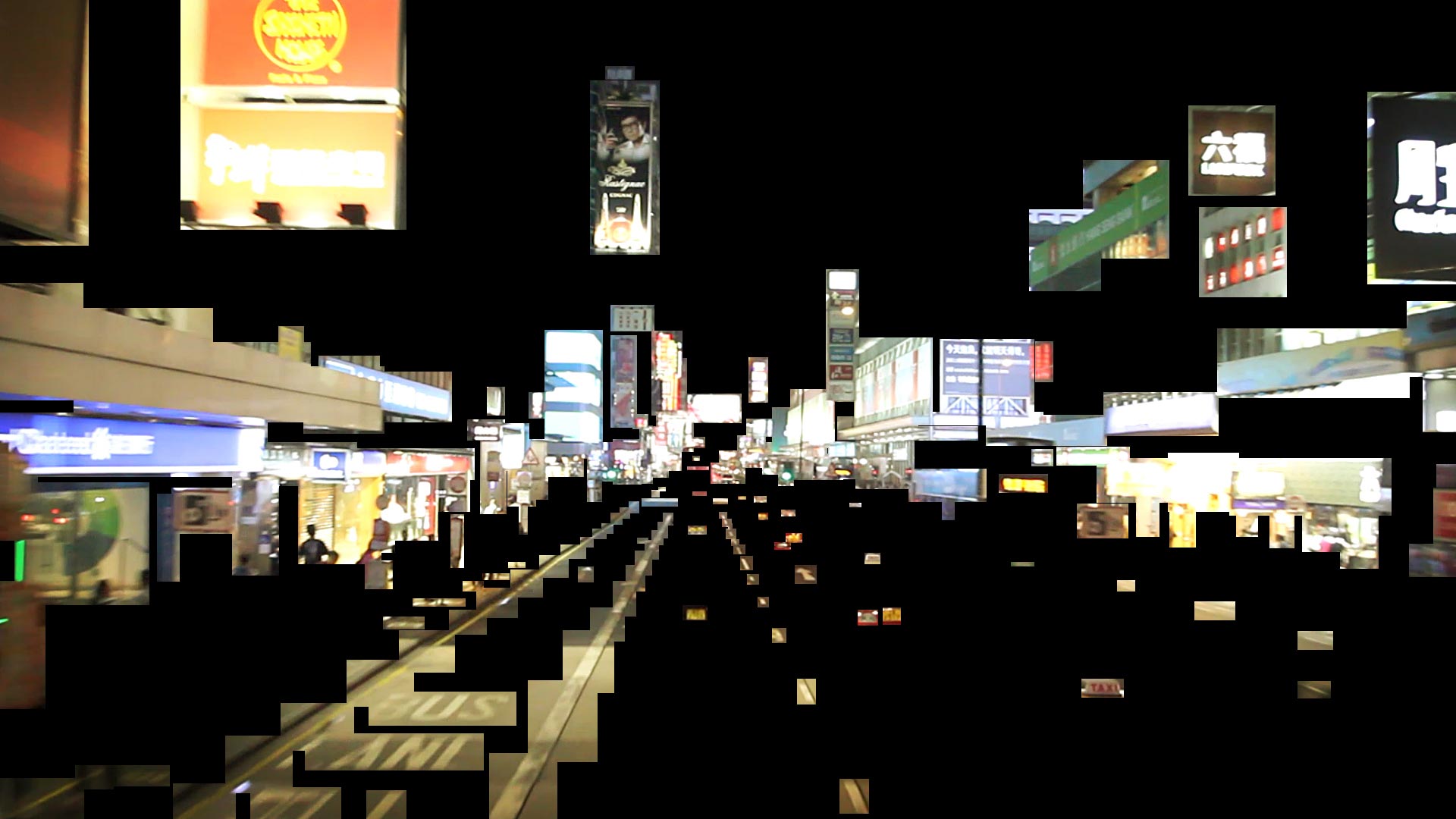
During my graffiti travel in Hong Kong i was inspired by plenty vanishing of neon signs in the Streets. I captured video footage in the bustling Kowloon district, specifically on Nathan Road. Fascinated by the abundance of urban signs, particularly the iconic neon lights, I decided to recompose the city’s space using these signs.
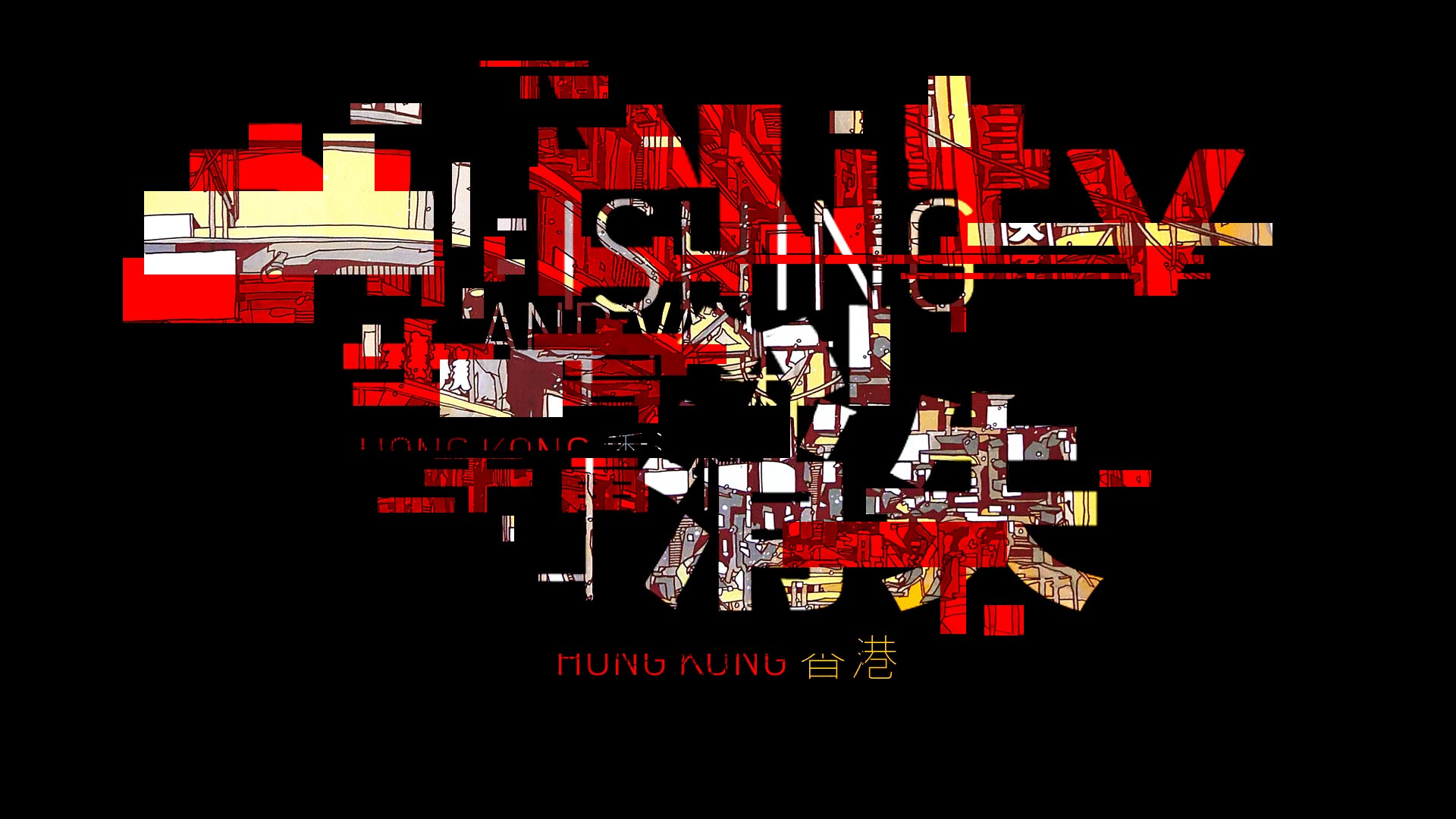
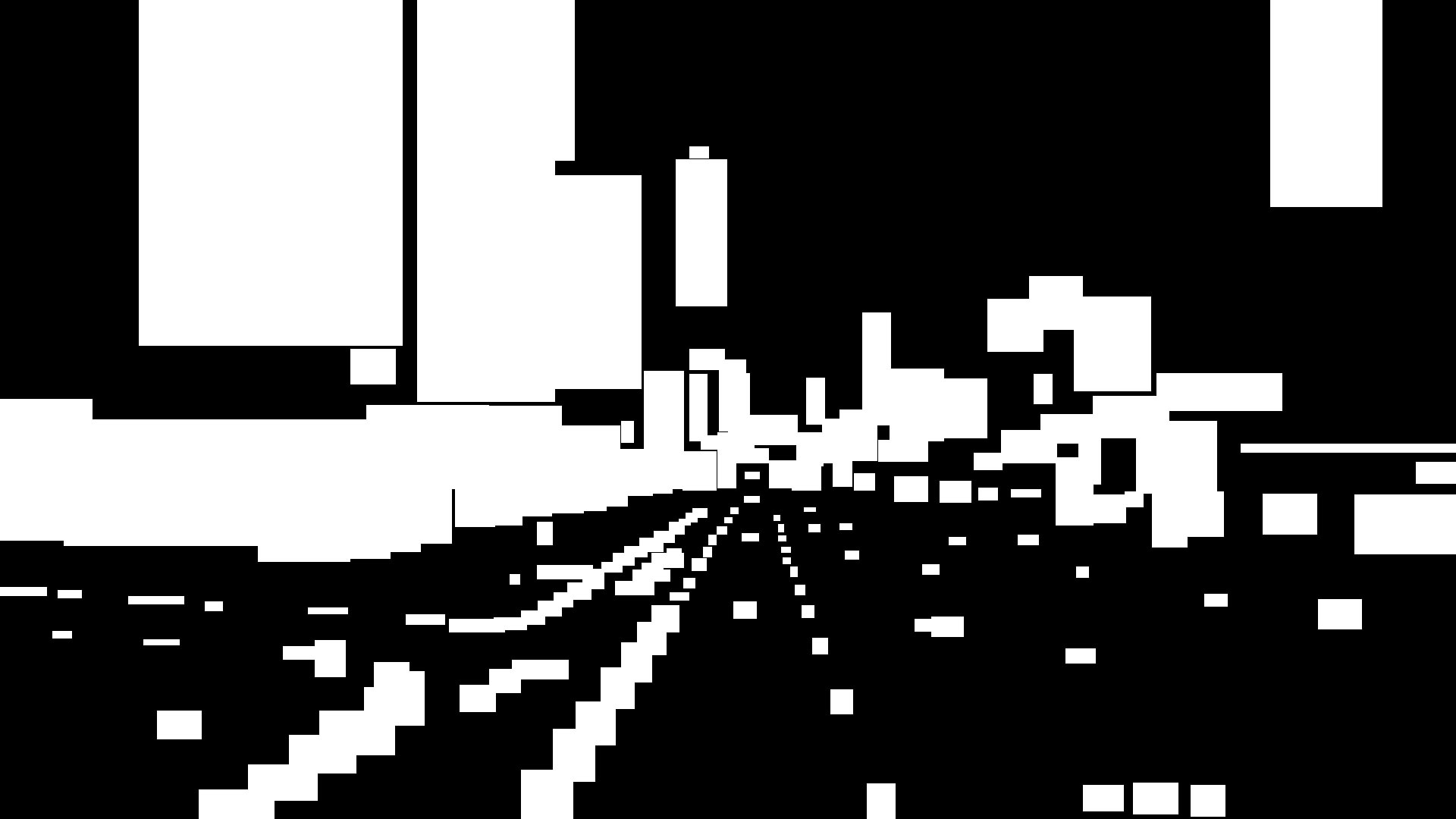
By isolating them, I created abstract compositions that reveal how these signs define the urban environment. However, despite their abundance, these signs have limited lifespans. Their very profusion contributes to their gradual disappearance, showing how the city constantly digests and renews its appearance. I try to recompose streets with plenty of signs and building and I continue to explore how these visual elements shape our perception of modern cities.
Hong Kong represents one of the most intense visual environments in contemporary urban culture. The density of signage, advertising, neon lighting and architectural layering creates a unique perception of space where information becomes as important as physical structure.
The Kowloon district, and more specifically Nathan Road, is a central location for this visual overload. It is a continuous flow of light, movement and commercial communication. This environment served as a direct source of inspiration for capturing and reorganizing urban fragments into visual compositions.
The work focuses on isolating elements that are usually perceived as part of a continuous whole. Neon signs, when removed from their context, become abstract visual units. These fragments reveal the underlying structure of the city’s visual language.
In Hong Kong, neon signs have historically played a major role in shaping the identity of the urban landscape. However, many of them are now disappearing due to modernization, LED replacement and regulatory changes. This transformation creates a tension between memory and disappearance.
The notion of “vanishing” is central to this work. The abundance of signs paradoxically leads to their fragility. The more saturated the visual environment becomes, the more individual elements lose their permanence and identity.
The video approach allows for a dynamic reconstruction of the city. Instead of presenting Hong Kong as a fixed image, it becomes a fluid composition of signs, lights and architectural fragments. This method reflects the instability of contemporary urban perception.
By recomposing streets through isolated visual elements, the work questions how meaning is constructed in modern cities. Urban space is not only experienced physically but also mentally assembled through selective perception.
The influence of graffiti culture is present in this approach. Graffiti often involves reading and reinterpreting urban surfaces, transforming existing structures into new visual narratives. In this case, the city itself becomes a raw material for composition.
Hong Kong’s visual intensity also reflects broader trends in global urbanization. Many megacities are moving toward similar conditions where signage, branding and digital displays dominate the visual field. This creates a shared visual language across different geographical contexts.
Plenty Vanishing in Hong Kong explores the fragile balance between presence and disappearance. The city is constantly rewritten by economic, technological and cultural forces, making its visual identity unstable and temporary.
Ultimately, this work documents a moment in time within a rapidly evolving urban landscape. It captures the tension between excess and erosion, between the abundance of signs and their gradual fading from the city’s surface.
Frequently Asked Question
What is Plenty Vanishing in Hong Kong?
It is a video artwork by Alex Kanos based on neon signs and urban visuals in Hong Kong.
Where was the footage shot?
The footage was captured in Kowloon, especially on Nathan Road.
What is the main theme of the work?
The work explores the abundance and disappearance of neon signs in urban environments.
Why are neon signs important in Hong Kong?
They are a key visual element of the city’s identity, though many are now disappearing.
Is this work related to graffiti?
Yes, it is influenced by graffiti culture and urban visual recomposition.