
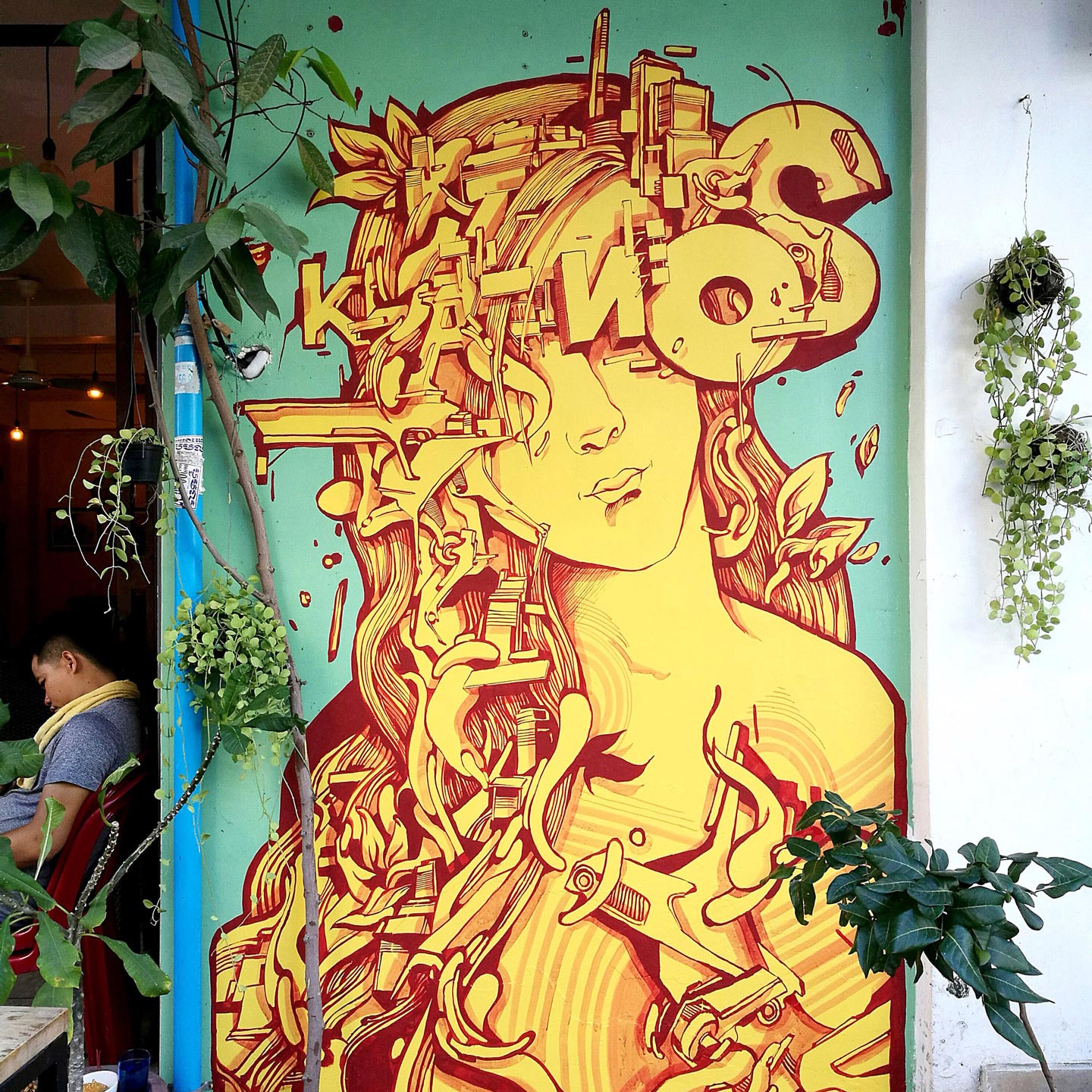
Kanos Cambodia 2018 Acrylic Street Painting
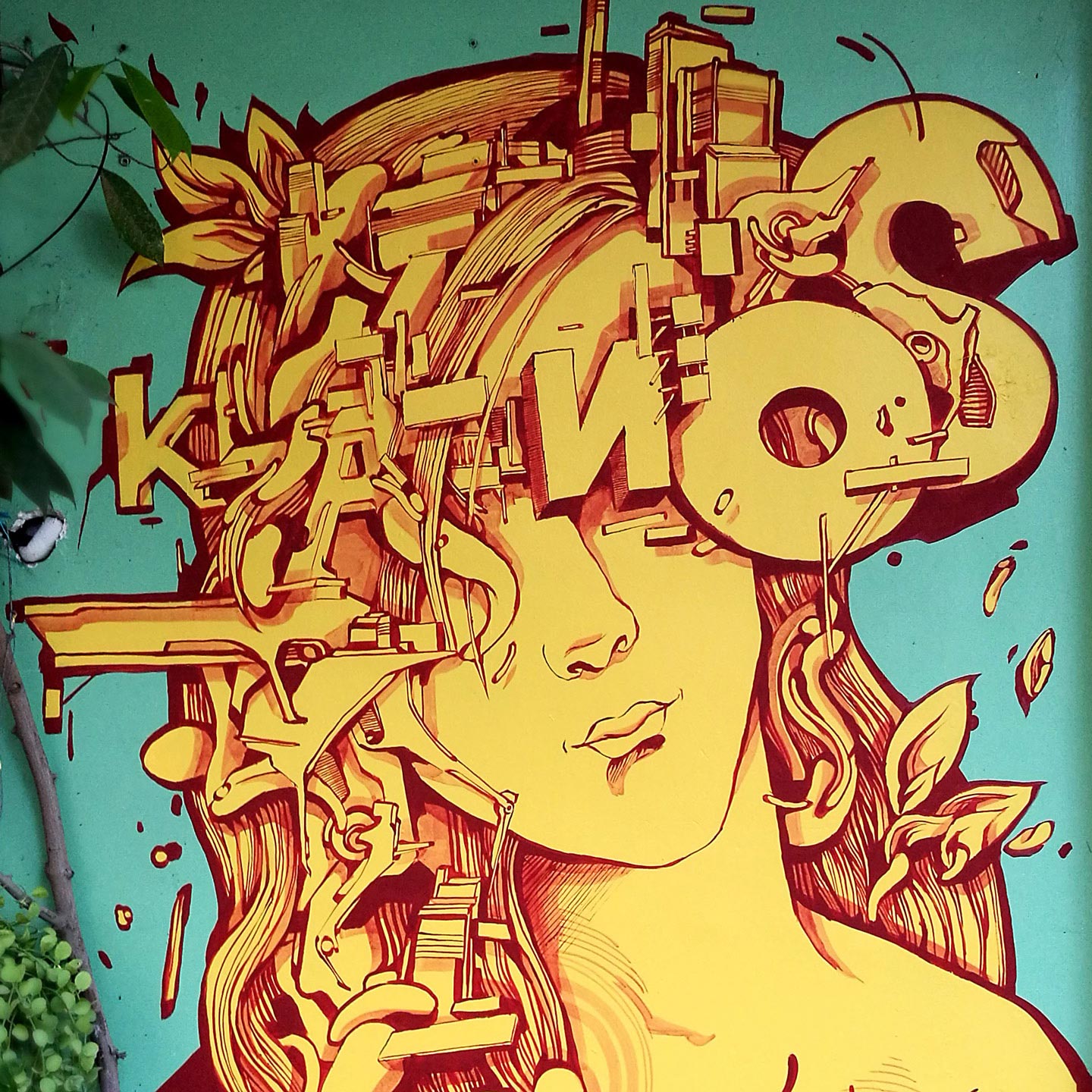
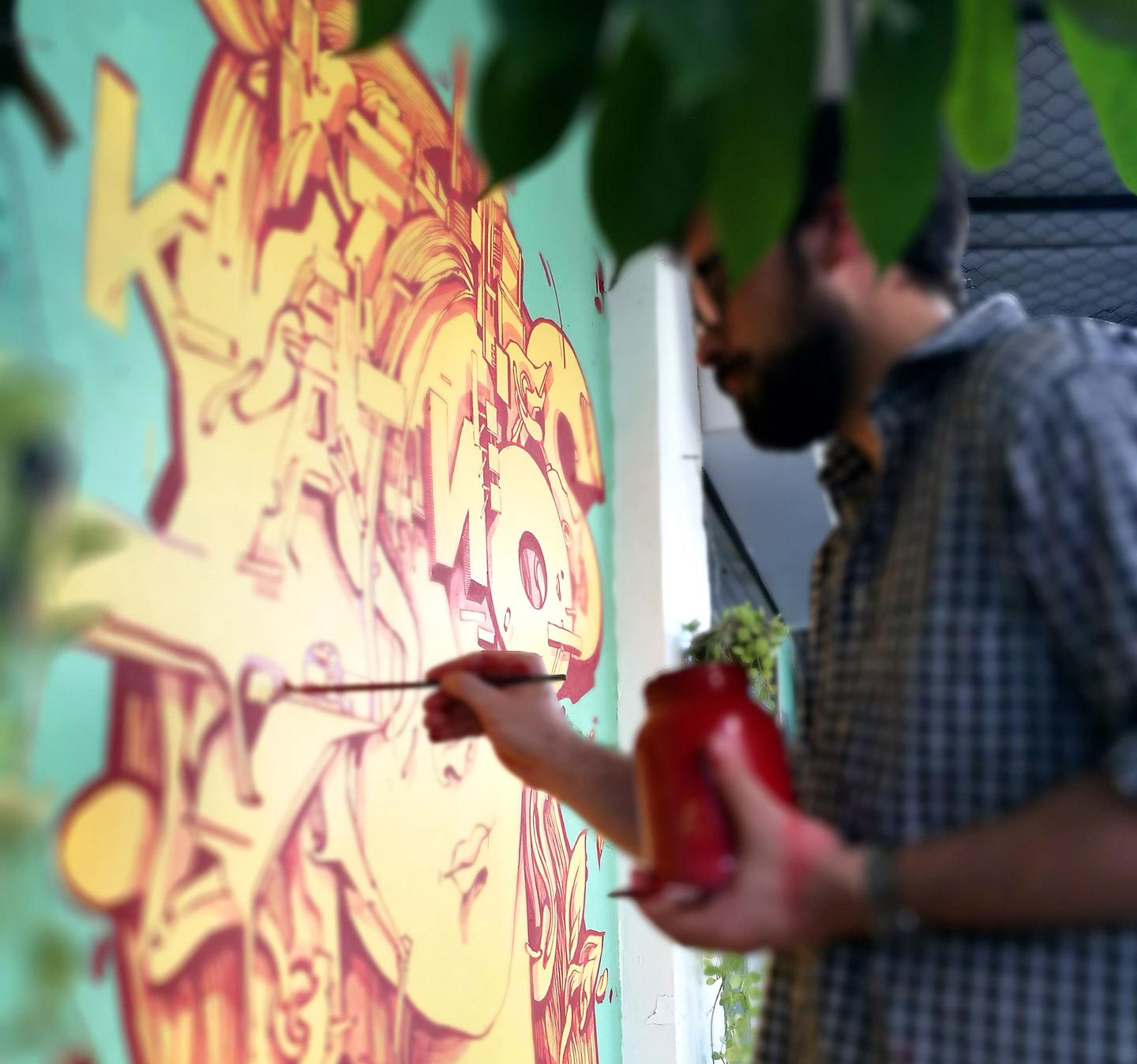
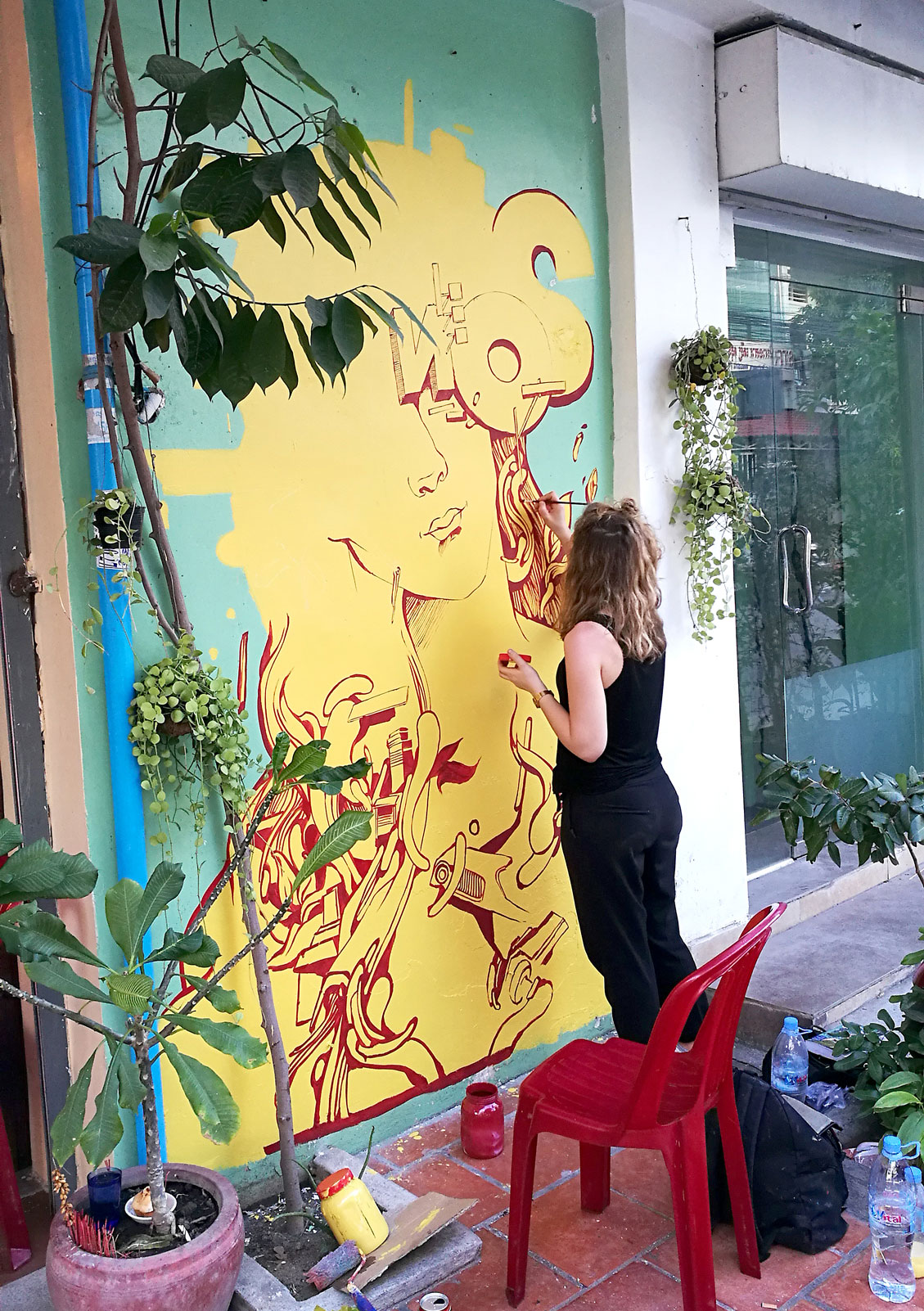
In 2018, after pass through Hong-Kong and Vietnam, I had the chance to travel to Cambodia and immerse myself in a world rich in history and traditions. During this journey, I had the opportunity to paint a mural in the streets of Cambodia. At that time, spray paint wasn’t available in the streets of Phnom Penh, so I had to search for brushes and acrylic paint to create my piece.
This experience allowed me to rediscover tools I hadn’t used on walls for a long time, adding a new layer to my creative process. Year after i continue to discover Asia through a graffiti travel in China.
The Cambodia 2018 project represents a turning point within my graffiti travel practice. Unlike other destinations where spray paint is easily accessible, Phnom Penh required a complete adaptation of technique and materials. This constraint became an essential part of the creative process.
Working with brushes and acrylic paint instead of aerosol changed the relationship to the wall. The gesture became slower, more controlled, closer to traditional painting practices while still connected to the language of street art. This shift created a hybrid form between mural painting and graffiti expression.
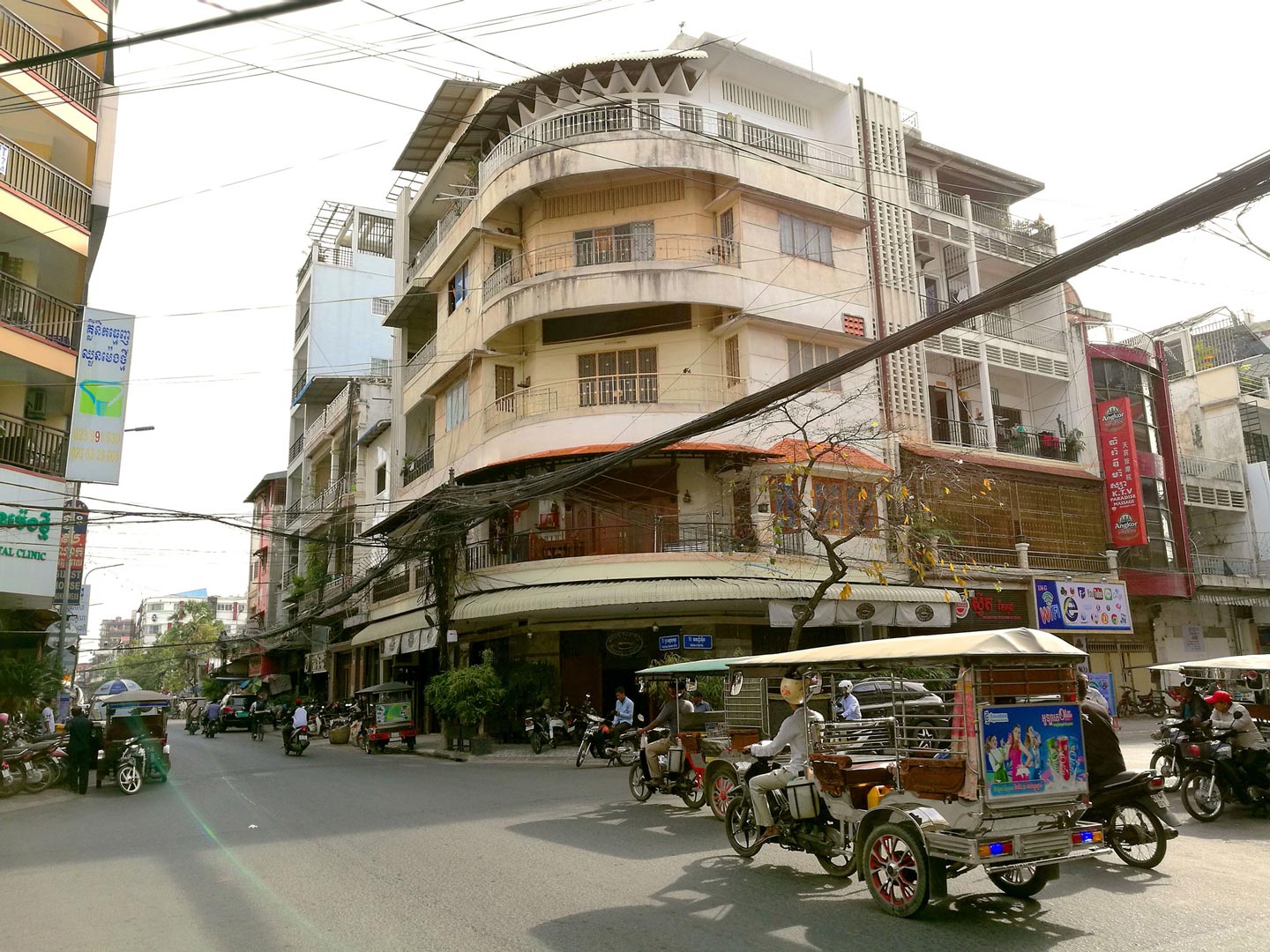
Cambodia offers a unique cultural and historical environment. The city of Phnom Penh carries strong visual and emotional contrasts, shaped by its complex history and rapid urban development. These contrasts influenced the way the mural was conceived and executed.
The absence of conventional graffiti tools in the city also revealed the adaptability of street art practices. Rather than being defined by a specific medium, graffiti becomes a broader approach to space, gesture and visual intervention.
This project highlights the importance of context in street art. Each location imposes its own constraints, which in turn shape the final artwork. In Cambodia, the limitation of materials became a source of experimentation rather than an obstacle.
The use of acrylic paint on wall surfaces introduced textures and visual effects different from spray paint. Brush strokes created a more painterly surface, allowing subtle variations in opacity and movement.
Phnom Penh itself plays a central role in the experience. The city is marked by a mix of traditional architecture, colonial remnants and contemporary urban expansion. This layered environment provides a complex backdrop for artistic intervention.
Travel across Asia during this period, including Hong Kong, Vietnam and later China, created a continuous exploration of different urban cultures. Each country offered distinct approaches to visual space, public expression and street art presence.
Cambodia 2018 is part of a broader trajectory of artistic travel that connects different cities and techniques. It demonstrates how mobility and adaptation are central elements of the creative process.
The project also reflects on the idea of resourcefulness in art. Working without standard tools required improvisation and openness to alternative methods, reinforcing the experimental nature of street art practice.
Ultimately, Kanos Cambodia 2018 documents a moment where limitation became creativity. It shows how street art can exist beyond its usual tools and environments, adapting to local conditions while maintaining its core expressive identity.
By Alex KANOS, Brush on wall / Location Phnom Penh, Cambodia
Frequently Asked Questions
What is Kanos Cambodia 2018?
It is a street art project by Alex Kanos created in Phnom Penh during his Asia travel.
What materials were used?
Brushes and acrylic paint were used instead of spray paint.
Why no spray paint was used?
Because spray paint was not available in Phnom Penh at the time.
What is the main theme of the project?
Adaptation, travel and the transformation of graffiti techniques in different cultural contexts.
Where does this project fit in the artist’s journey?
It is part of a broader Asia graffiti travel including Vietnam, Hong Kong and China.