
Signs to recompose streets : A City Carved in Concrete
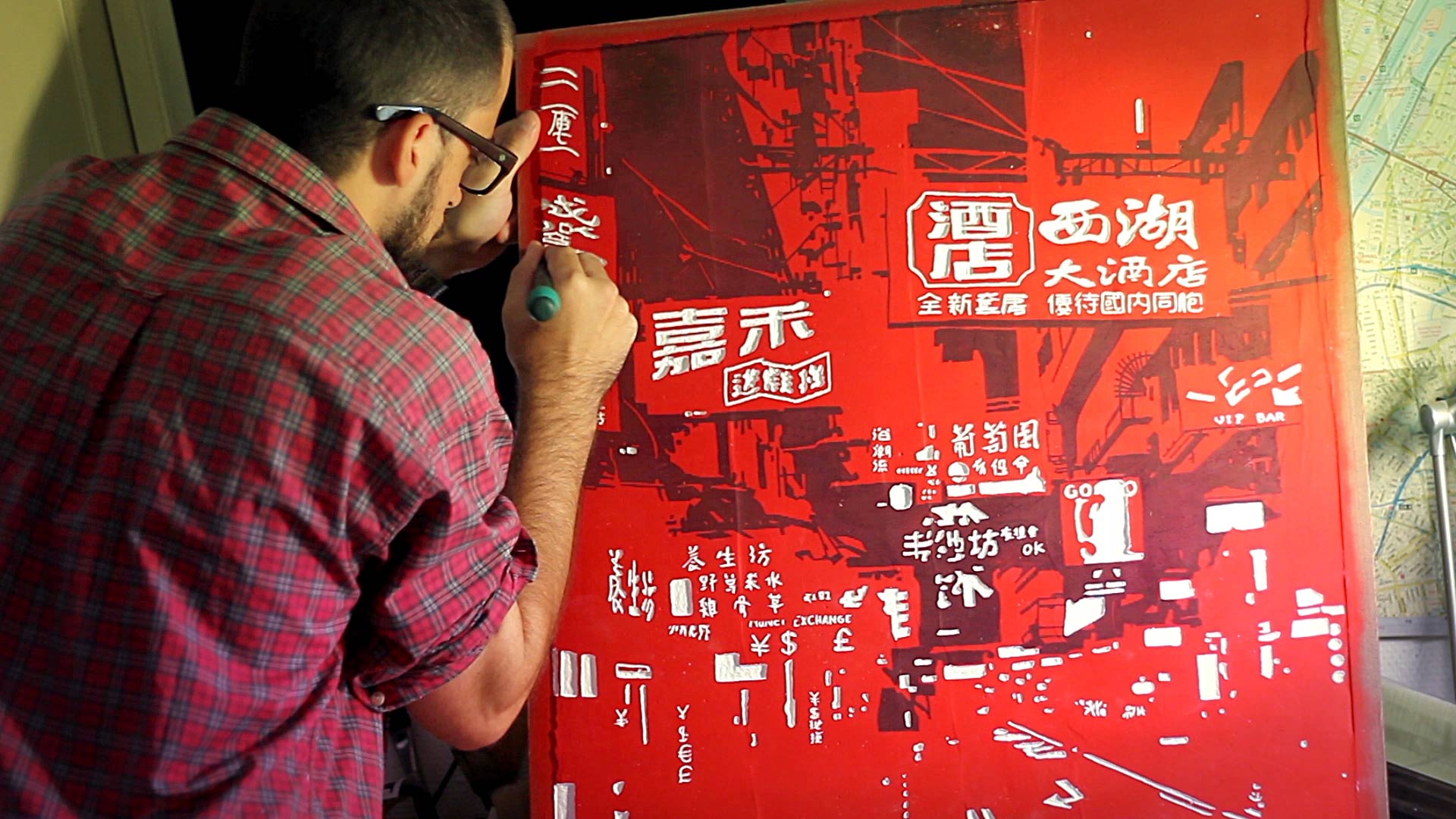
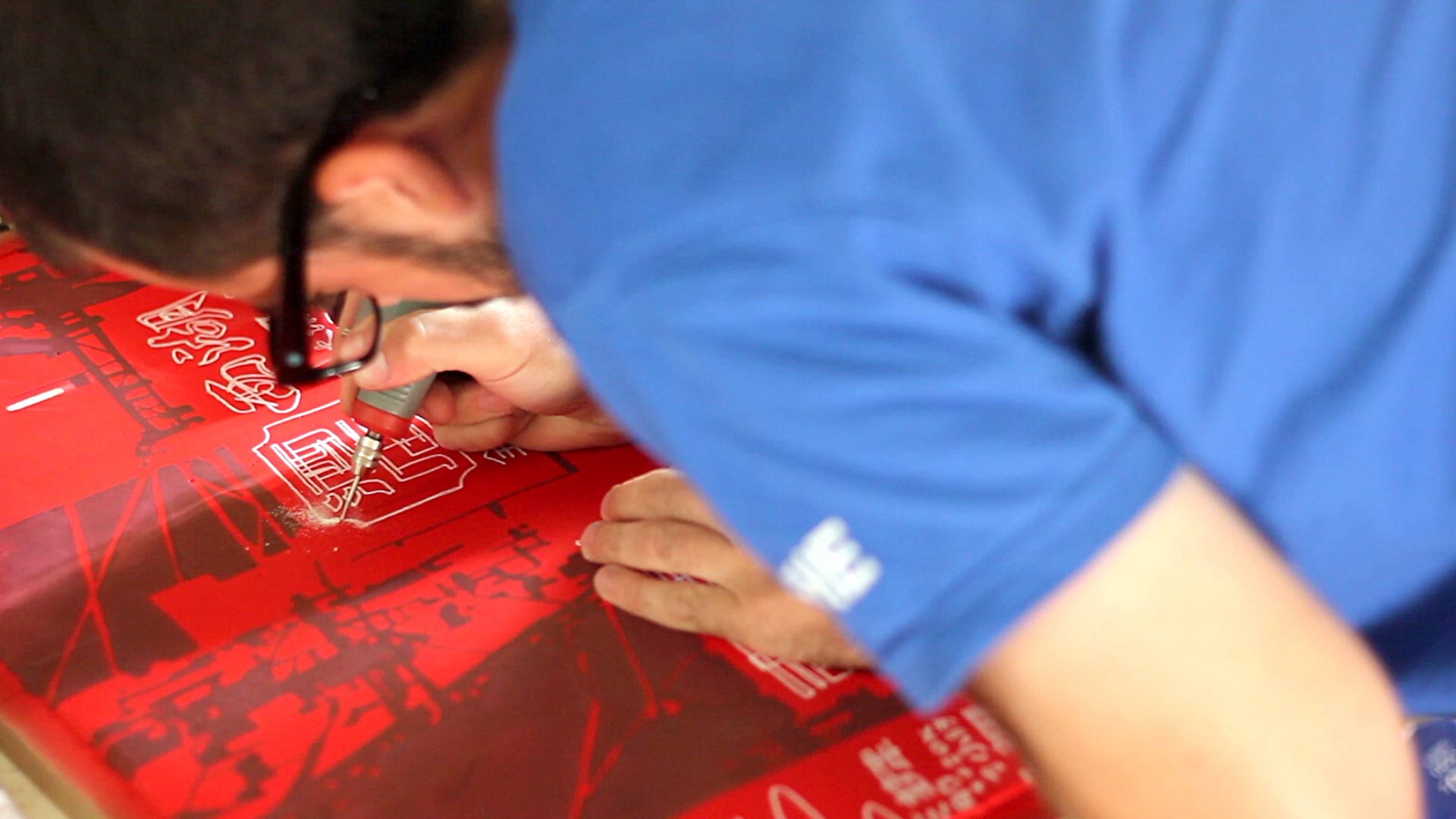
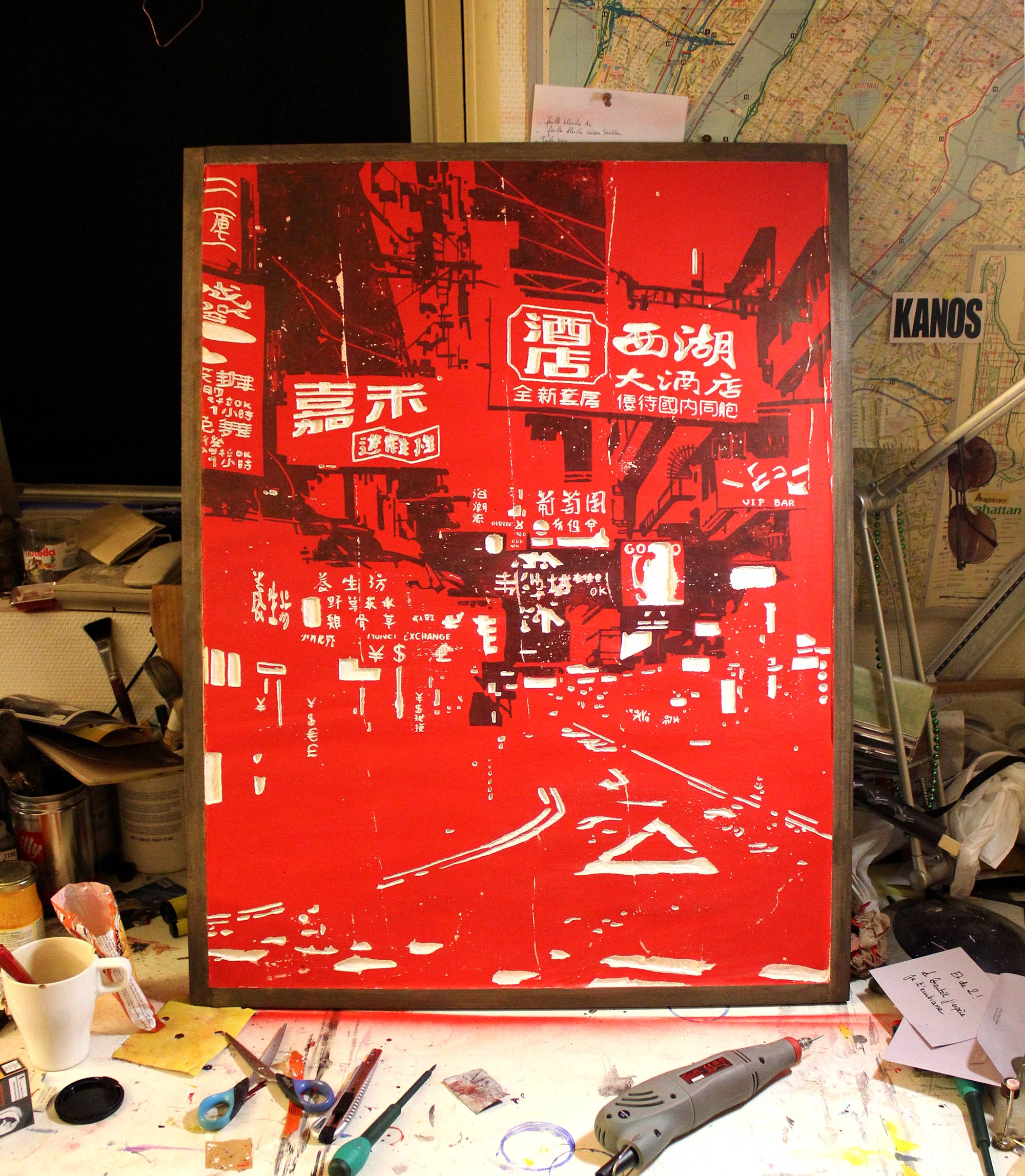
During my graffiti travel in Hong-Kong i was inspired by plenty of neon signs in the Streets. I created a piece by carving into concrete with a dremel. My goal was to reveal the abundant signs of the city, as i was inspired by a specific street in Hong Kong, Nathan road. This work reimagines the city through its urban symbols, showing how prevalent these signs are in the spaces we live in.
Through this project, I continue to explore how these visual elements shape our perception of modern cities.
I continue my investigation into the visual language of contemporary cities and the role that signs play in shaping our urban experience. While previous works explored this subject through painting, this project introduces a new material dimension by using concrete as both medium and concept.
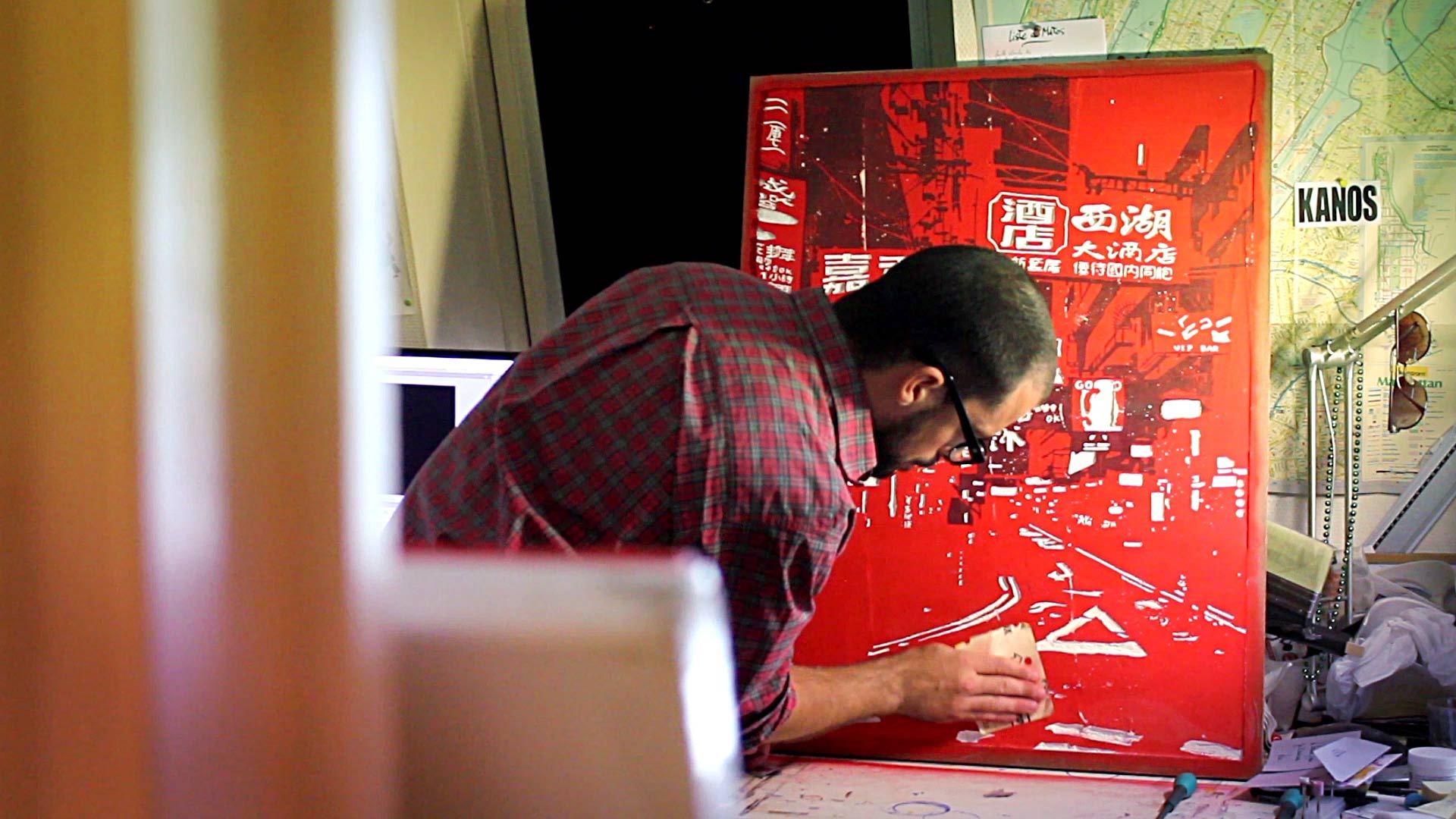
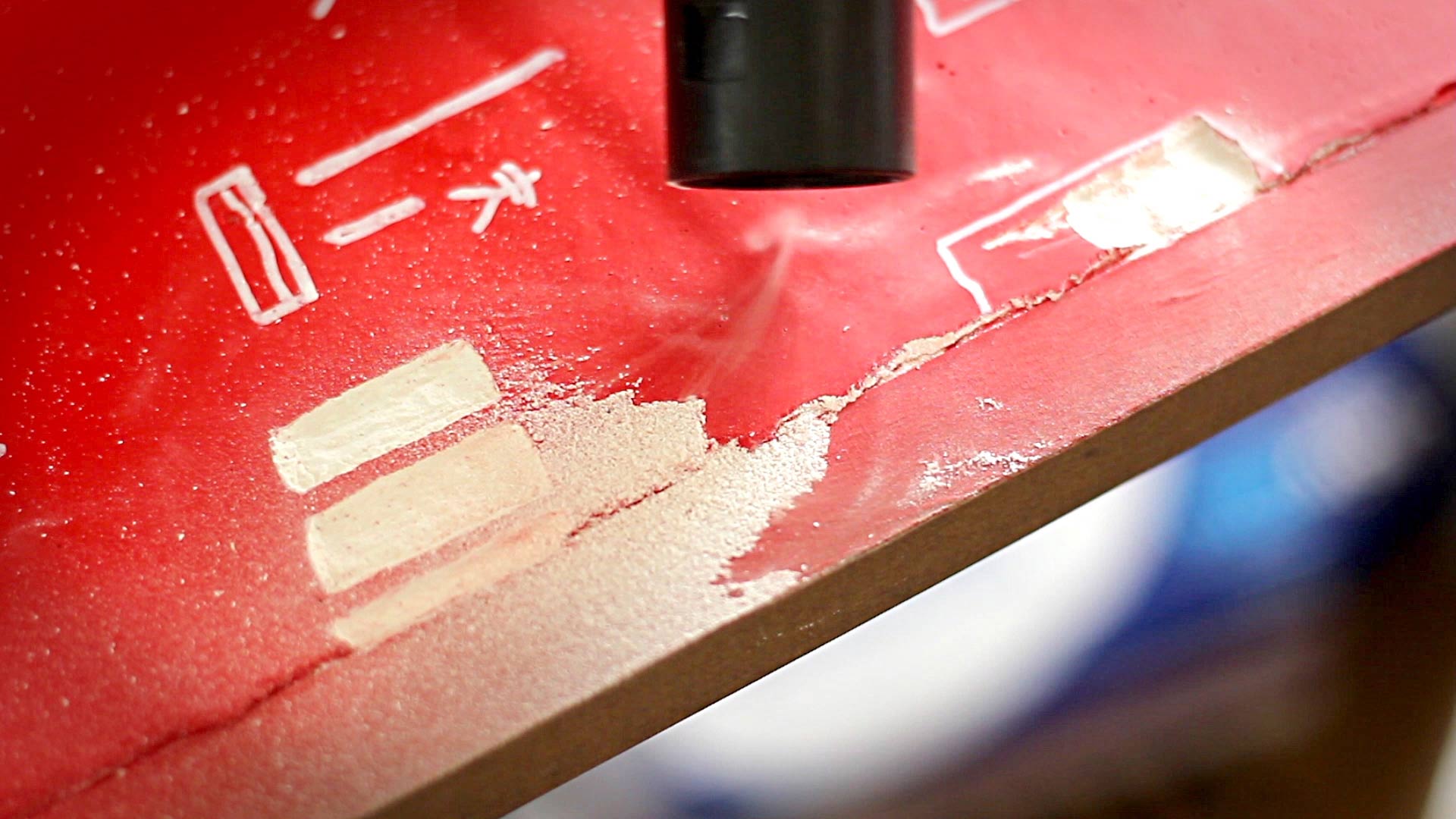
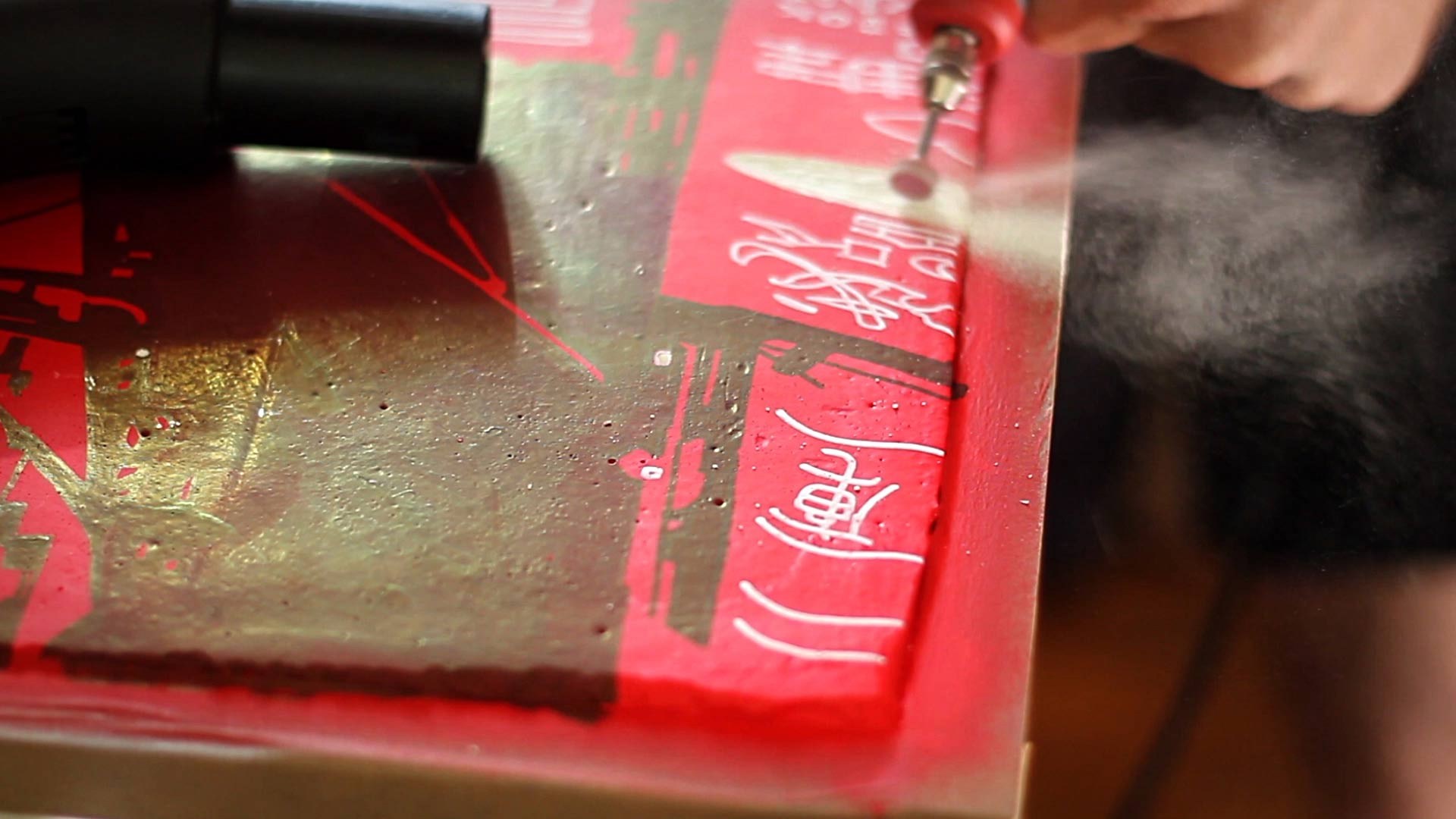
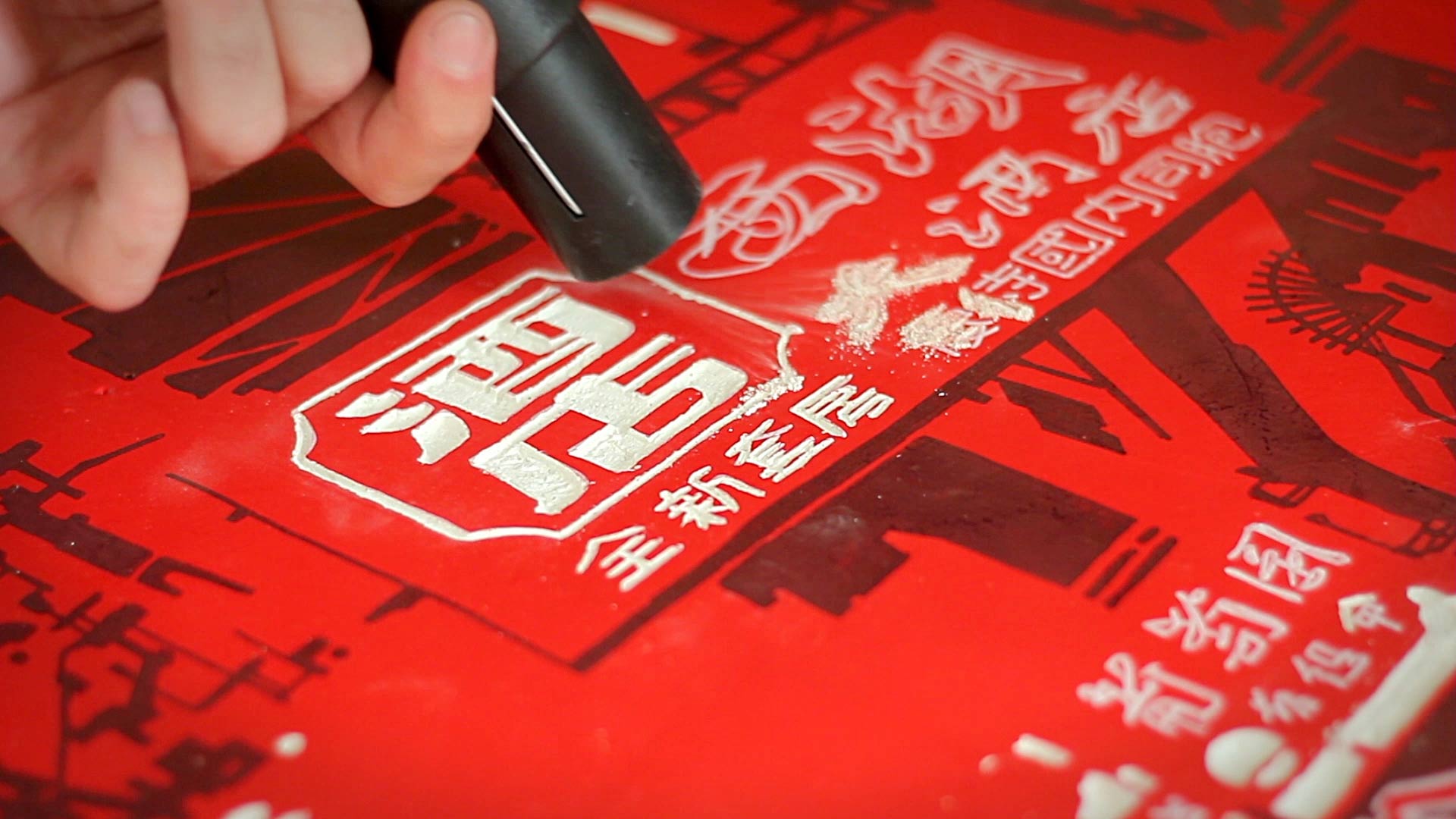
The artwork was created on a concrete slab that was physically carved using a Dremel tool. Rather than painting signs onto a surface, the signs themselves are excavated from the material. The process transforms concrete into a visual archive, as if fragments of the city had been permanently embedded within its structure.
The inspiration for the work originated during my travels in Hong Kong, particularly along Nathan Road, one of the city’s most iconic streets. Known for its extraordinary density of signs, advertisements and commercial displays, Nathan Road presents an urban environment where visual communication becomes inseparable from architecture itself.
For years, the accumulation of signs in Hong Kong has fascinated me. Storefronts, illuminated advertisements, symbols and typography occupy the urban landscape to such an extent that they often become more recognizable than the buildings supporting them. They form a second layer of architecture that shapes how we navigate and remember a city.
In this artwork, the city is reconstructed entirely through these visual fragments. Buildings disappear, perspectives collapse and traditional urban representation is abandoned. What remains are the signs themselves, isolated and reorganized into a new composition.
The choice of concrete is essential to the meaning of the work. Concrete is one of the defining materials of modern cities. It forms the walls, roads, bridges and structures that shape contemporary urban environments. By carving signs directly into the concrete surface, the project suggests that these visual messages have become inseparable from the physical fabric of the city.
The carved areas create an unusual relationship between absence and presence. The neons appear because material has been removed. What is visible is created through subtraction rather than addition. Empty spaces become active forms, allowing the composition to emerge through missing fragments.
This process transforms the artwork into an object situated between painting, sculpture and relief. Depending on the angle of light and observation, the surface continuously changes. Shadows emphasize the carved forms, creating an experience that is simultaneously graphic and sculptural.
The result occupies an ambiguous space between two-dimensional and three-dimensional representation. The street remains readable as an image, yet the physical depth of the carved elements introduces volume and materiality. The city becomes both flat and spatial at the same time.
This tension reflects one of the central ideas behind the project. Urban environments are often understood through visual information before they are understood through physical space. Types guide movement, attract attention and create mental maps of cities. In many cases, our perception of a place is shaped as much by its visual symbols as by its architecture.
The work also continues a broader exploration of semiotics within my artistic practice. They are functional objects designed to communicate information. By extracting them from their original context and embedding them within concrete, they become autonomous visual forms open to interpretation.
I ultimately transforms a fragment of concrete into a fragment of city. Inspired by Nathan Road and the visual density of Hong Kong, the artwork examines how urban symbols become embedded in collective memory and how visual communication leaves a permanent imprint on the environments we inhabit.
By Alex KANOS, Spray and acrylic on concrete / Commissionned by TheWall51 / Location Paris France
Frequently Asked Questions
What is Signs to Recompose City 2?
It is a concrete artwork by Alex Kanos exploring the visual density of urban signs through carving and painting.
What inspired the project?
The artwork was inspired by Nathan Road in Hong Kong and its concentration of signs, advertisements and visual information.
How was the artwork created?
The signs were carved directly into a concrete slab using a Dremel tool before being enhanced with spray paint and acrylic.
Why use concrete as a medium?
Concrete symbolizes the physical structure of modern cities and reinforces the connection between signs and urban architecture.
Is the work a painting or a sculpture?
The project exists between painting, sculpture and relief, combining carved volume with graphic composition.