
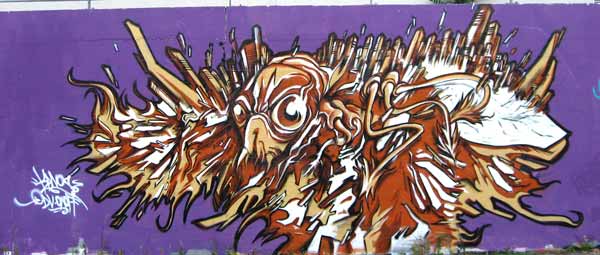
Bordeaux
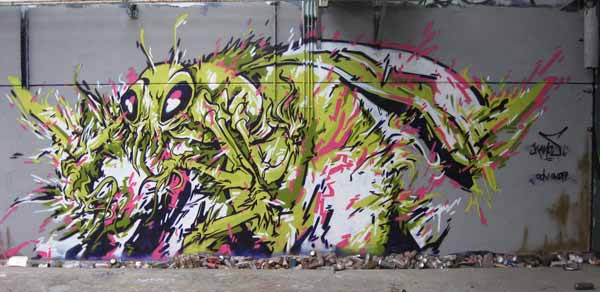
Palaiseau
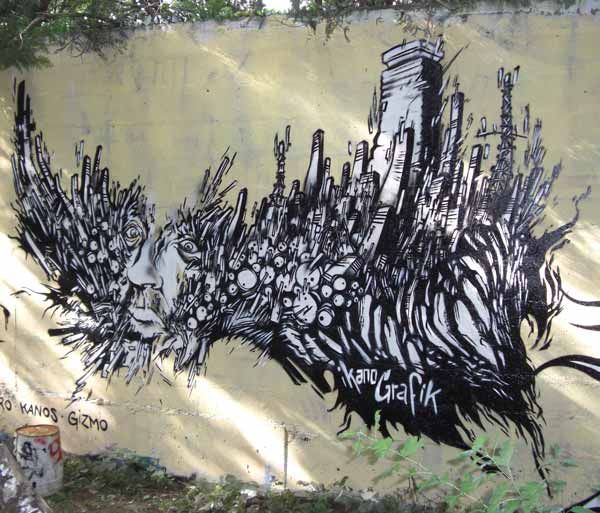
Villiers-le-Bel
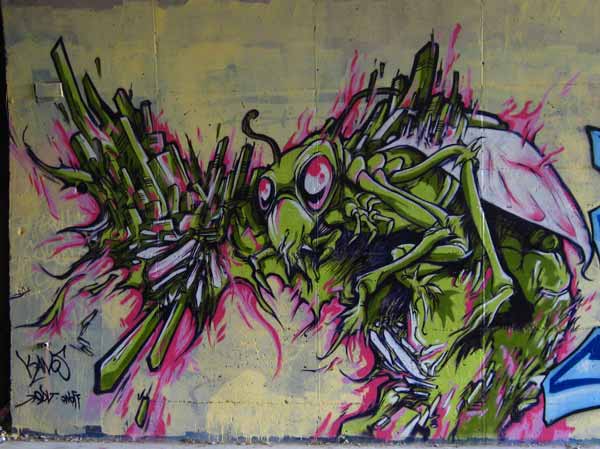
Sarcelles
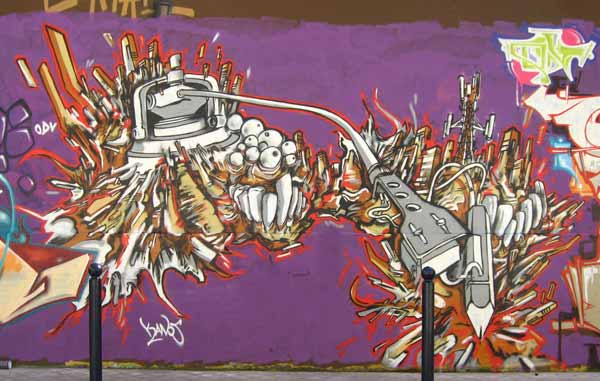
Bordeaux
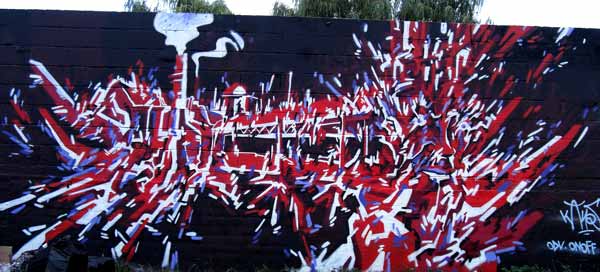
Bobigny
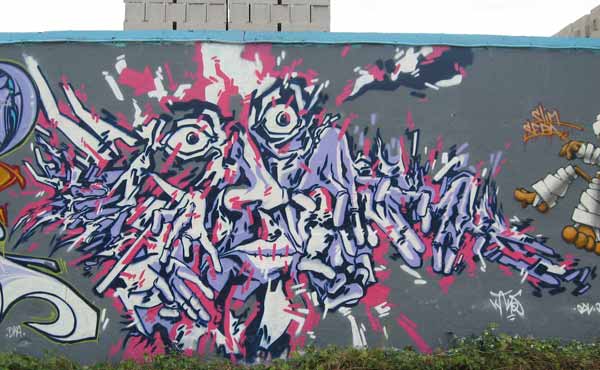
Sucy
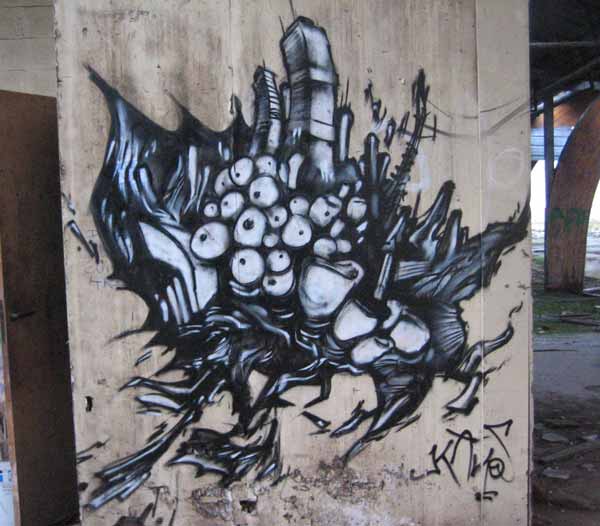
Cambrai
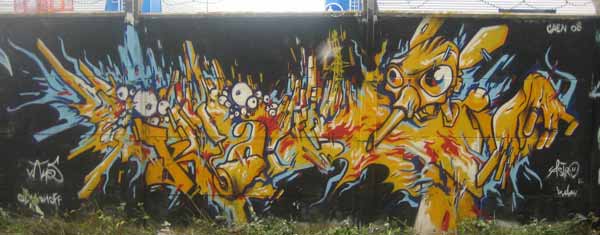
Jam de Caen
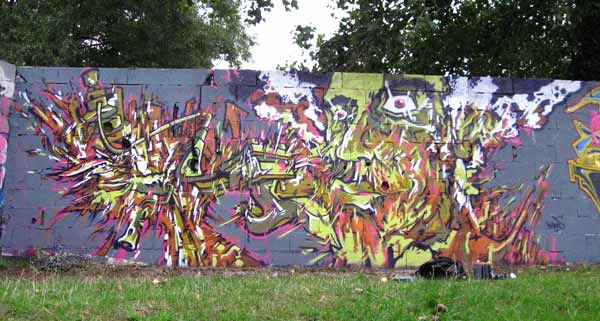
Noisiel
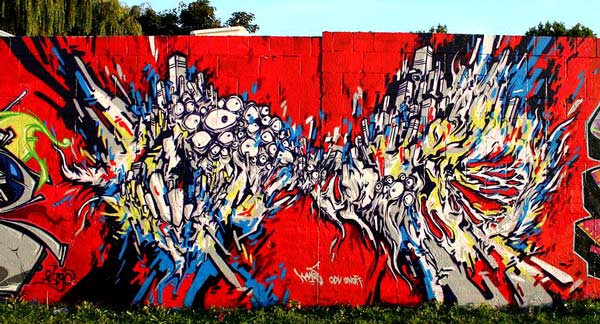
Bobigny
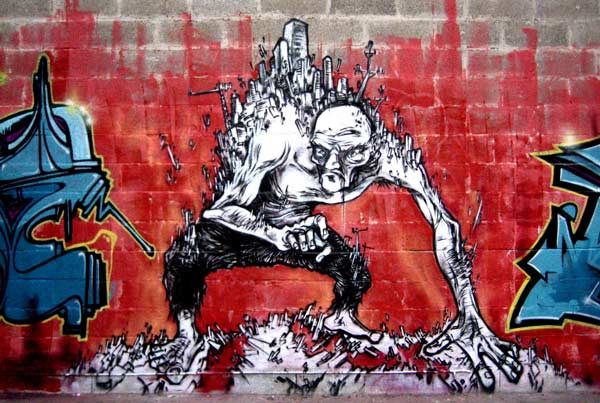
Cambrai
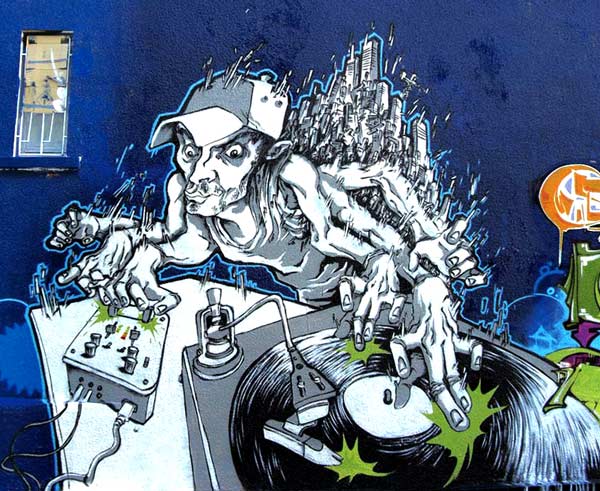
Poitiers
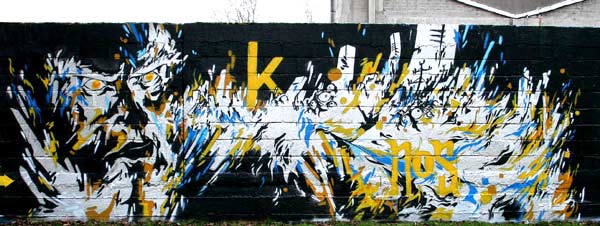
Bobigny
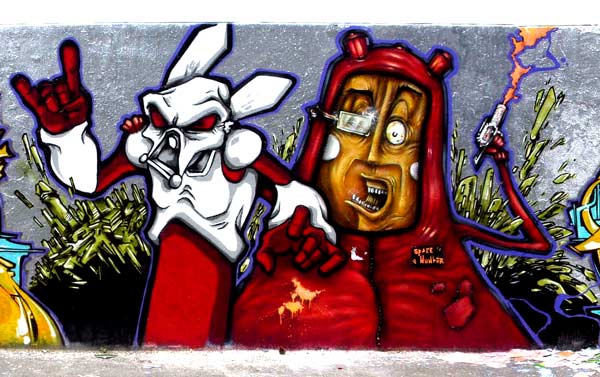
Poitiers, avec Exode VTP
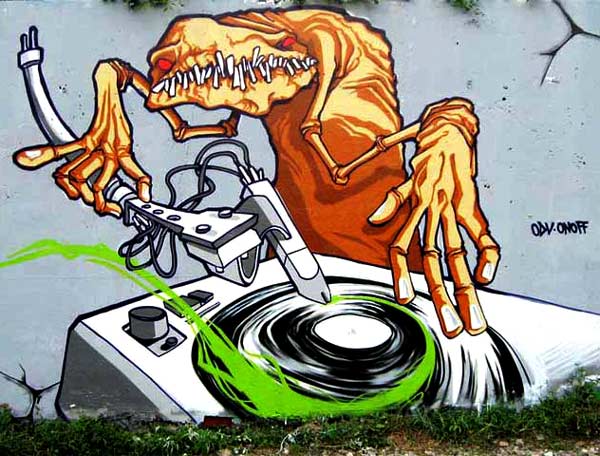
Montrouge
Peintures 2008 / Archive and Early Graffiti Research
Peintures 2008 presents a selection of graffiti murals and street art projects like the archive articles dedicated to 2009, 2010, 2011, 2012 and 2013, this collection is not intended to document every wall produced during the year. Instead, it brings together the works that best illustrate an important stage in the construction of my artistic language. Looking back today, these paintings reveal the first appearances of ideas that would later become central to my practice.
The year 2008 also marked an important personal milestone. It was the year I completed my fifth and final year at fine art school, earning my degree before beginning my professional career as an independent artist. This transition represented much more than the end of formal education. It was the moment when years of experimentation began to evolve into a long-term artistic practice.
Although the technical language visible in these murals was still developing, many of the conceptual foundations of my work were already present. The themes that would later define my paintings, animations and large-scale murals can already be recognised throughout this archive, even if they had not yet reached their mature form.
One recurring image during this period is the insect carrying an entire city on its back. Painted in locations including Bordeaux, Sarcelles and Palaiseau, this figure explores the relationship between the individual and the urban system. The insect becomes both a symbolic worker and a metaphor for collective organisation.
Like a hive, the city functions through countless individual actions that together produce an immense living structure. The insect therefore represents both physical effort and the invisible labour sustaining modern urban life. This reflection on cities as living organisms would remain one of the major themes developed throughout my later work.
Another important composition was created in Villiers-le-Bel. Here, fragmented buildings surround and partially contain a human face, suggesting an individual trapped within the architecture of the city itself. Rather than presenting buildings as neutral structures, the composition proposes that urban environments actively shape human existence.
The relationship between people and architecture appears increasingly complex. The city no longer functions simply as a backdrop but becomes an active force capable of compressing, transforming and even consuming those who inhabit it. This idea would later evolve into the recurring concept that cities continuously digest everything they contain, including memory, industry, architecture and graffiti.
Industrial imagery also begins to emerge during this period. In Bobigny, one mural depicts a factory dissolving into geometric vector-like fragments, almost as though the structure were being digitally dismantled before disappearing. Looking back, this early experiment can be seen as one of the first visual expressions of ideas that would eventually lead to the Industrial Dystopia series several years later.
Other murals produced in Bobigny introduce another essential direction of research: the fusion of anatomy and architecture. Buildings become intertwined with organs, muscular tissue, exposed teeth and human eyes. Rather than treating the organic and the urban as separate worlds, these compositions propose hybrid structures where biological and architectural systems coexist.
This dialogue between living tissue and constructed space gradually became one of the defining characteristics of my artistic language. At this stage, however, the imagery remained exploratory. Each mural functioned as an experiment through which different visual relationships could be tested and refined.
Several projects created in Cambrai and Poitiers also explore the symbolic relationship between humanity and the city. One composition depicts a monumental figure carrying an urban landscape upon its shoulders like a modern Atlas. In another, the same figure transforms into a DJ scratching records while still supporting fragments of architecture.
These characters embody multiple interpretations. They can be seen as creators shaping the city, workers carrying its weight or cultural figures whose artistic practice becomes inseparable from the urban environment itself. Even during these early years, the city already appears less as a location than as a living subject interacting directly with the human body.
Unlike my later graffiti practice, lettering occupies only a limited role throughout the 2008 archive. The emphasis is placed instead upon figurative compositions, symbolic characters and abstract constructions. Typography would become increasingly important during the following years, eventually merging with anatomy, architecture and mechanical structures to form the hybrid visual language that characterises much of my subsequent work.
Viewed retrospectively, these paintings reveal an artist still searching rather than affirming. Technical mastery had not yet fully developed, but the conceptual directions were already clearly present. Questions surrounding urban mutation, organic transformation, industrial memory and the relationship between humanity and architecture all begin to emerge within these early experiments.
For this reason, peintures de 2008 represents an essential chapter in my artistic development. The archive documents the final year before entering professional life while preserving the first visual formulations of ideas that would continue to evolve over the following decades. Every later project—whether centred on graffiti, animation, typography or industrial landscapes—finds part of its origin in the experiments gathered within this collection.
Frequently Asked Questions
What is “Peintures 2008”?
It is a curated archive of graffiti murals and street art created during 2008, documenting an important stage in my artistic development.
Why is 2008 a significant year?
It marks my graduation from art school and the beginning of my professional career as an independent artist.
What themes appear throughout these paintings?
The archive explores urban architecture, insects carrying cities, industrial landscapes, anatomy, organic forms and the relationship between people and the city.
Why are there almost no graffiti letters in these works?
At this stage, my research focused mainly on figurative compositions and visual storytelling. Typography became a central element in the following years.
How does this archive connect to later projects?
Many of the ideas first explored here—including urban mutation, industrial ruins, organic architecture and hybrid imagery—later evolved into major series such as Industrial Dystopia, Kanos le billet d’un dollar and my large-scale graffiti murals.