
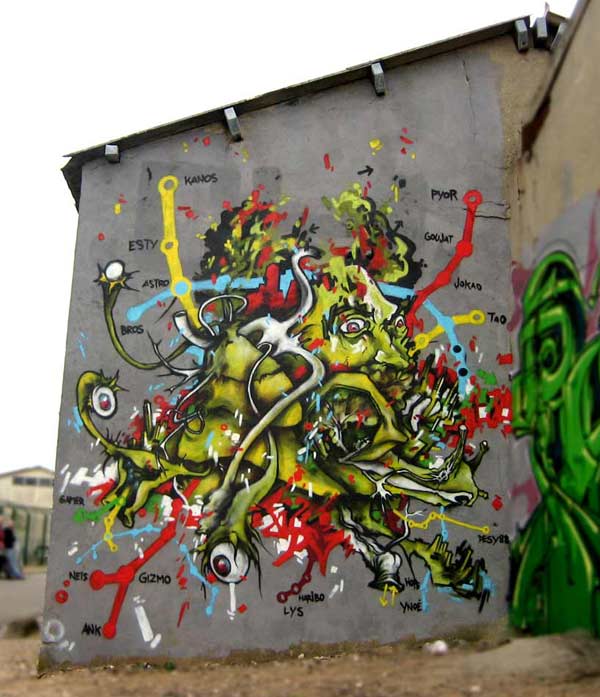
Gargenville
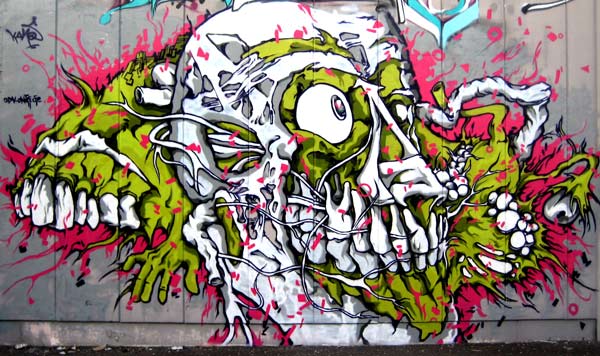
Ezanville
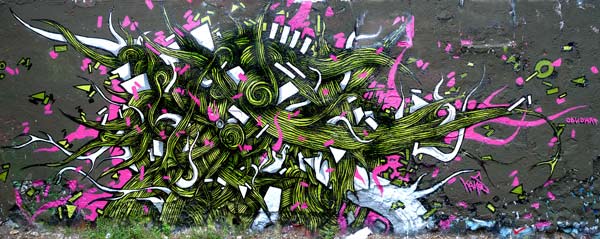
Paris Belleville
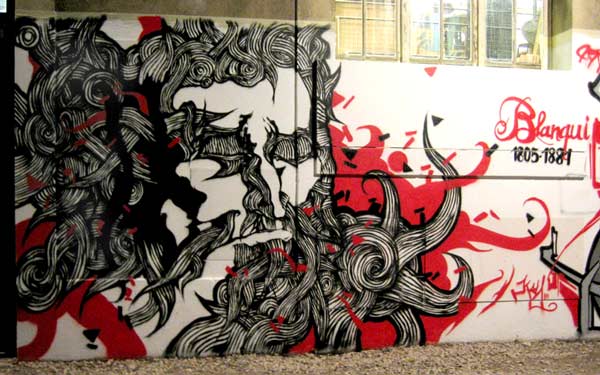
Paris 14e Esa Camondo
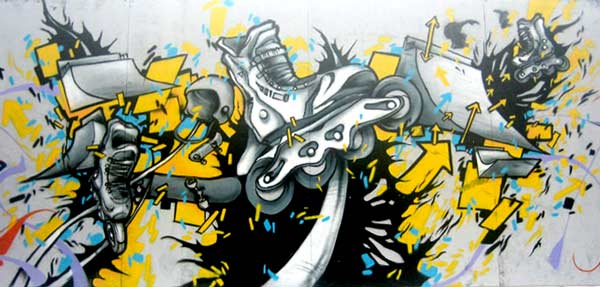
Arnouville-les-Gonesse
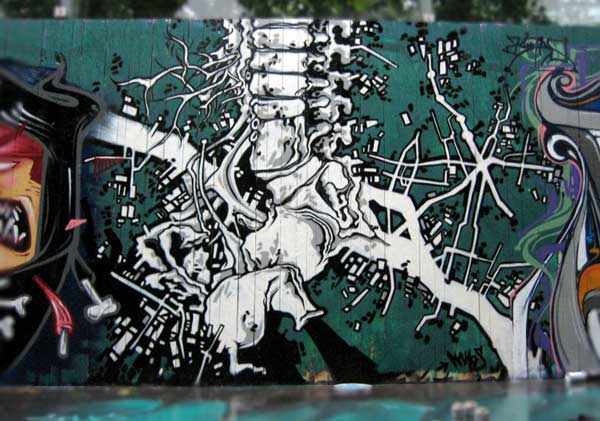
Paris 14e Fondation Cartier
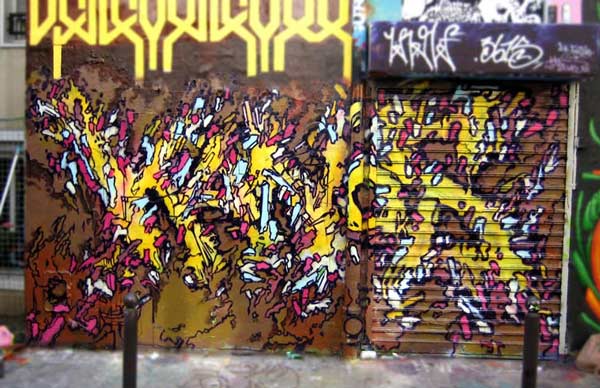
Paris 20e Belleville
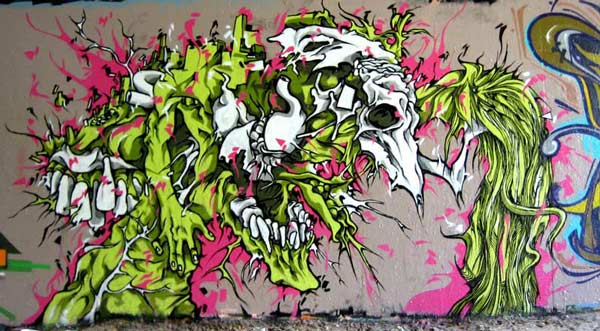
Chatenay
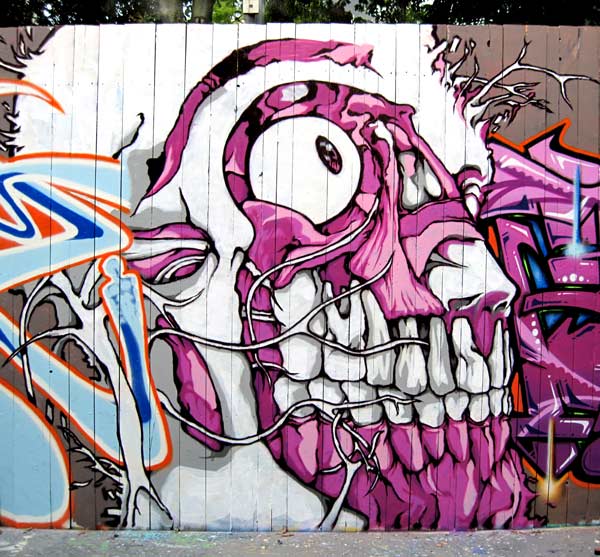
Paris 14e Fondation Cartier
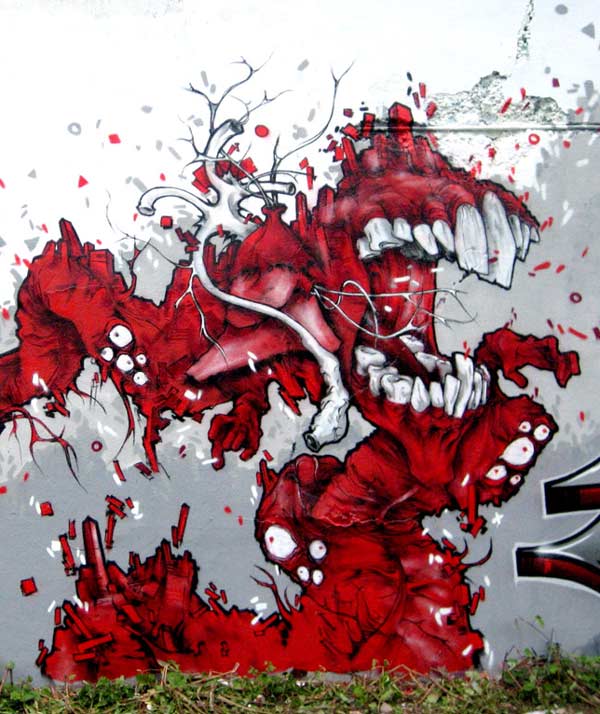
Jam de Nancy
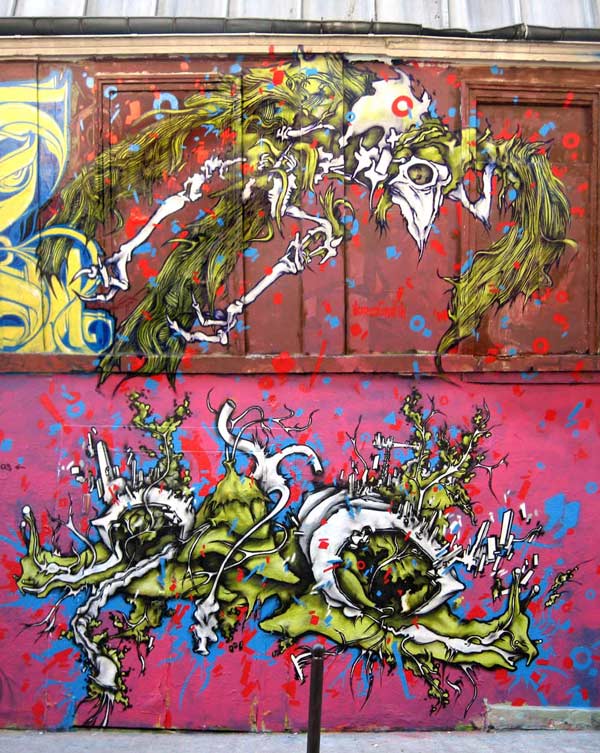
Paris 20e Belleville
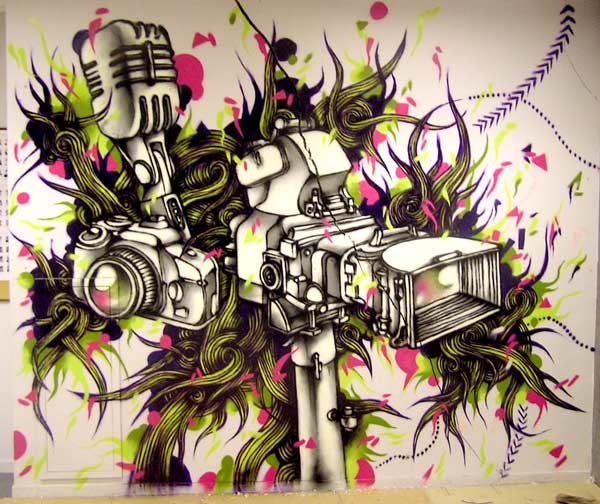
Noisy-le-Grand, Louis Lumiere, merci Flytee!
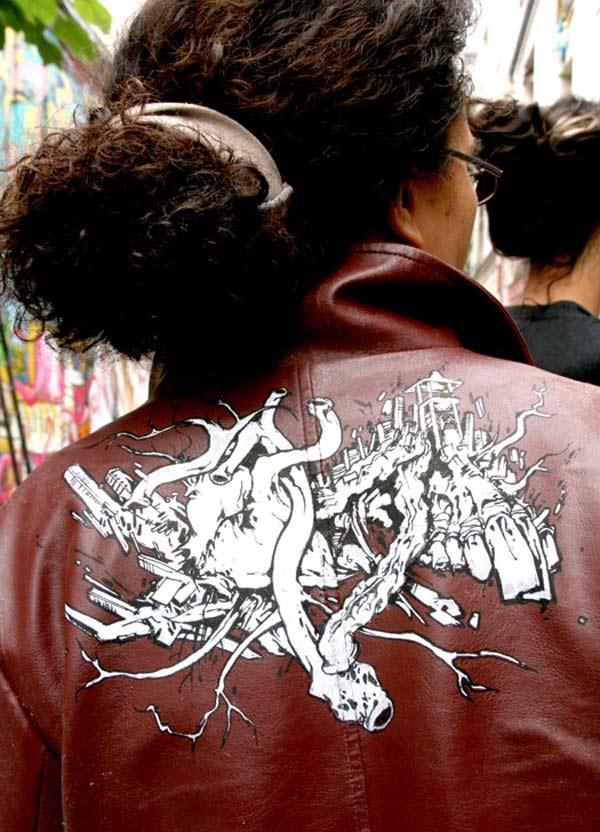
Paris 20e Belleville
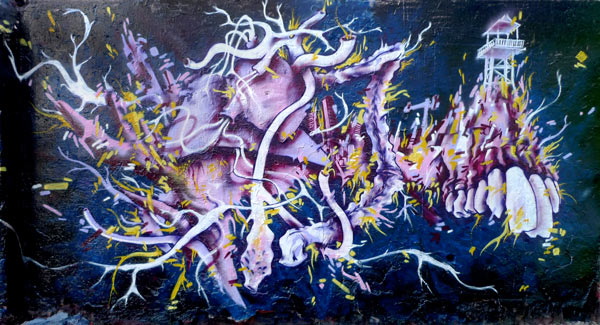
Paris 20e Belleville
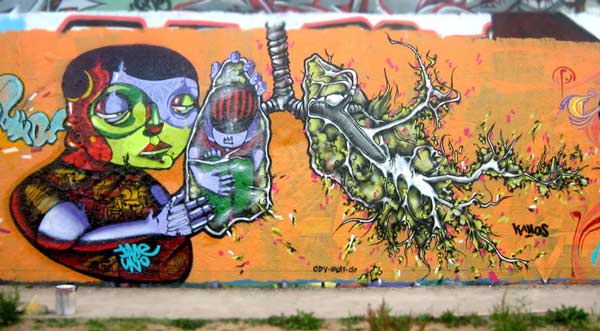
Ivry sur Seine, avec Jade (Perou)
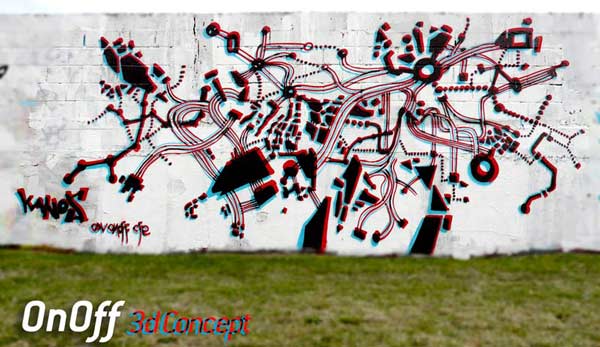
Paris 20e Belleville
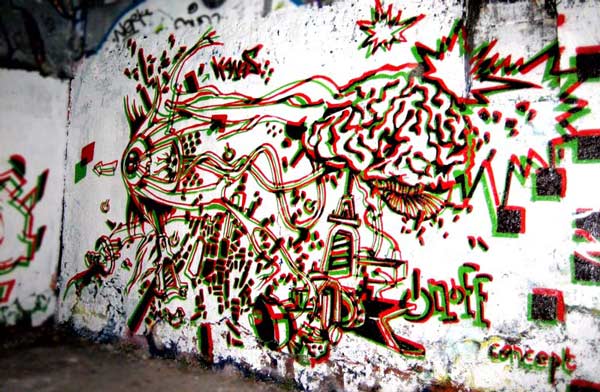
Paris 20e Belleville
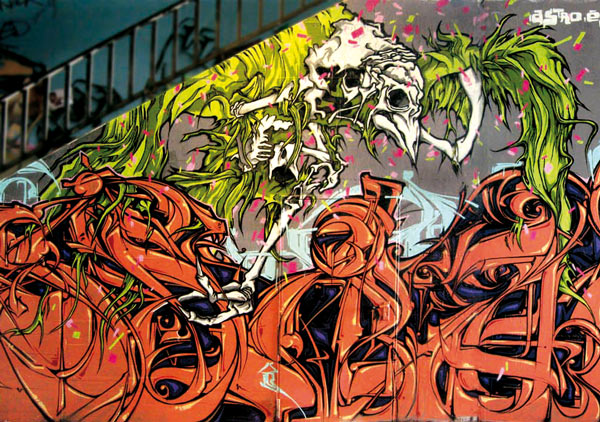
Wiesbaden Allemagne, avec Astro & Esty ODV
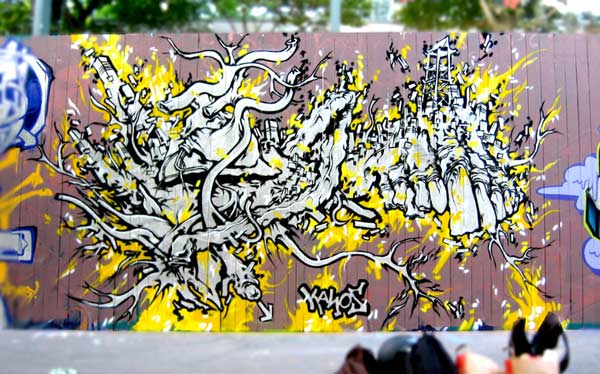
Paris 14e Fondation Cartier
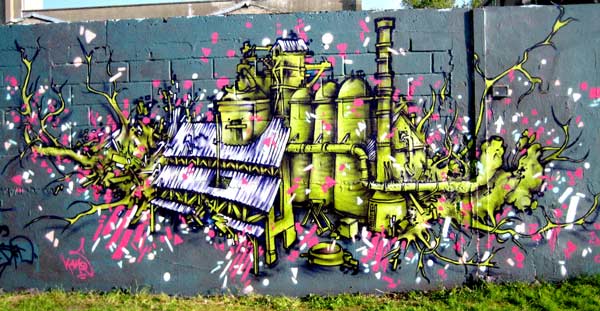
Bobigny
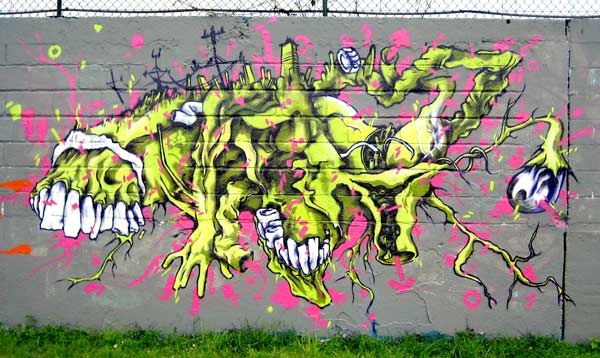
Bobigny
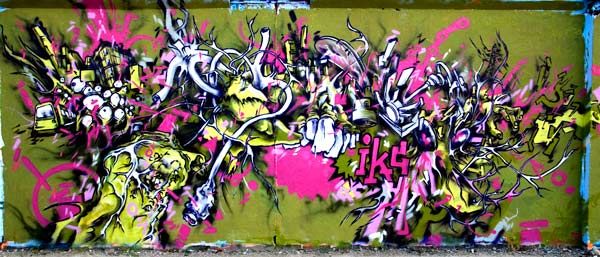
Bobigny
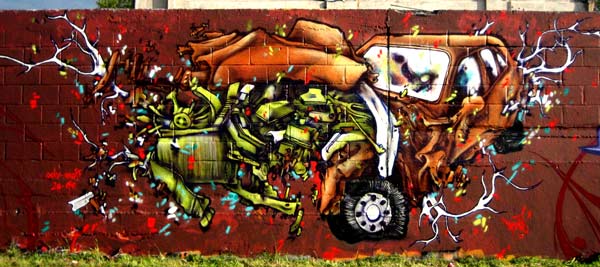
Bobigny
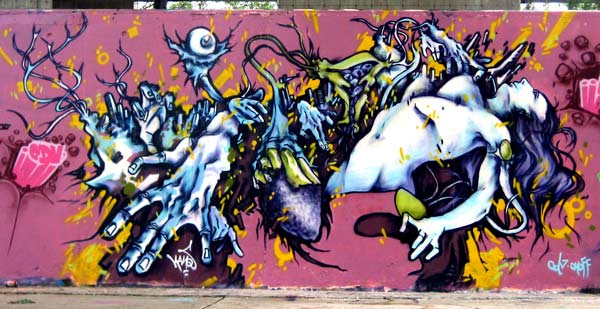
Perpignan
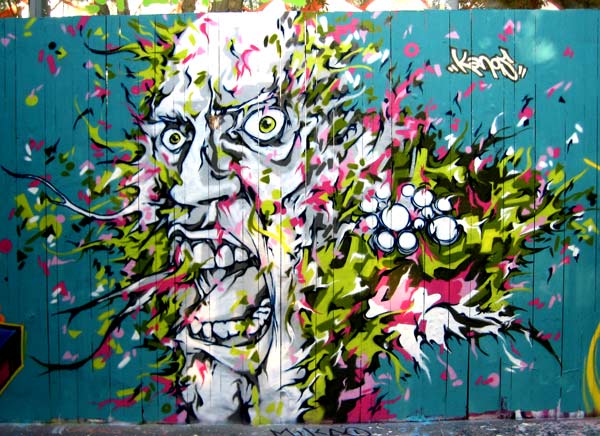
Paris 14e Fondation Cartier
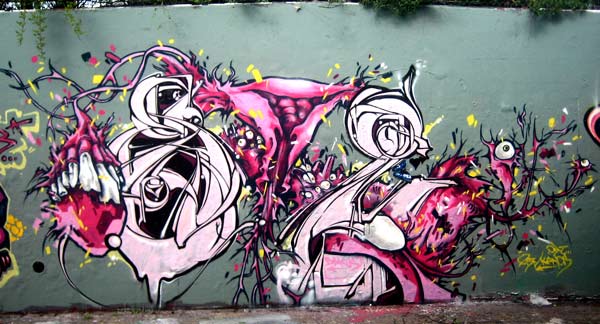
Basel Suisse, avec Esty ODV
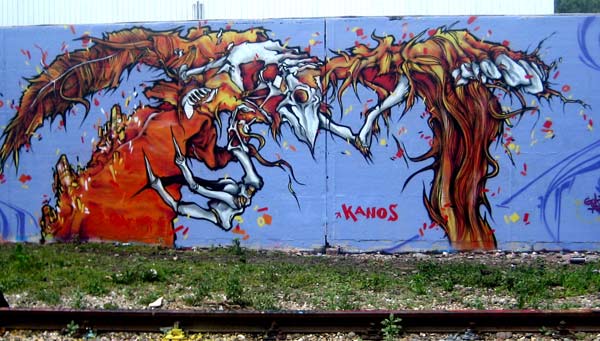
Strasbourg
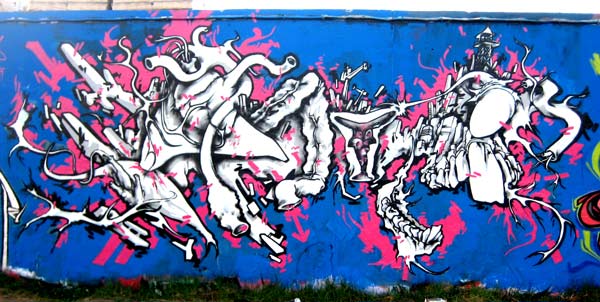
Brie sur Marne
Peintures 2009 / Graffiti and Street Art Productions
“Peintures 2009” presents a selection of graffiti and street art works created during 2009, mainly in Paris as well as during various travels across Europe. This archive is not a complete documentation of every piece produced during that year, but rather a curated overview of key works and experiments that contributed to the gradual construction of my visual language. Like the later archives from 2010, 2011, 2012 and 2013, it highlights a formative period where several recurring themes first began to emerge.
During this time, my practice was still in a phase of exploration. Each wall, sketch or intervention functioned as a testing ground for ideas that would later evolve into more structured series. Many of the concepts present in these works were not yet fully defined but already appeared as intuitive visual directions.
One of the most recurring motifs in this period is the skull. Frequently combined with organic textures and layered tissue-like structures, the skull becomes more than a symbol of death. It is associated with fragility, transformation and the temporary nature of existence. These references draw partly from Latin American visual culture, where death is often represented as a natural extension of life rather than its opposite.
This symbolic dimension is closely linked to graffiti itself. Every mural is temporary. Every wall is destined to be painted over, destroyed or transformed. In this sense, the skull also reflects the condition of urban painting: an art form constantly exposed to disappearance.
Several key works from 2009 were created in diverse locations, each contributing to this evolving research. One of them was painted in Ézanville, behind a Cash Converters store. Another significant intervention took place at the Fondation Cartier in Paris during the exhibition “Né dans la rue”, dedicated to graffiti. At the time, the exhibition walls were open to street artists, allowing direct interaction between institutional space and urban practice.
These interventions marked an important moment where graffiti moved between street environments and more formal artistic contexts. The contrast between abandoned urban spaces and curated exhibition environments highlighted the shifting perception of graffiti within contemporary culture.
A particularly expressive piece was created during a jam in Nancy, where I painted a large organic creature with sharp teeth and fragmented anatomy. The form resembled an exposed biological structure, somewhere between a monster and a decomposed organism. This type of imagery would later become central to my work, especially in compositions combining architecture and anatomy.
In Paris Belleville, another piece explored the theme of decay and transformation. It featured a composition of dissected snails accompanied by a skeletal bird hovering above the scene. The image suggested a slow decomposition of life and urban matter, reinforcing the idea of constant mutation within both nature and the city.
This notion of transformation is also present in a work created for ENS Louis Lumière under the concept Freeze Frame. This piece incorporated cinematic references such as a camera and photographic apparatus integrated into organic circulations. The composition suggested a moment suspended in time, where mechanical vision and biological forms merge into a single structure.
Another important painting from this period was created along the Canal de l’Ourcq, depicting a decaying industrial building. This image of abandonment and industrial collapse would later become a foundational reference for the dystopie industrielle series developed in subsequent years. It reflects a growing interest in the relationship between urban decay, memory and the transformation of industrial landscapes.
Across all these works, a consistent dialogue emerges between organic matter, architecture and mechanical structures. Buildings appear fragmented, almost as if they were biological organisms in decay. Organic elements invade urban surfaces, suggesting that the city itself is alive, constantly evolving and eventually dissolving.
This fusion of systems—biological, architectural and mechanical—would later become a defining aspect of my artistic practice. In 2009, however, these elements were still experimental, appearing in fragmented and intuitive forms rather than as part of a fully articulated visual language.
Looking back, Peintures 2009 represents a crucial moment of transition. It captures the beginning of a research process that would expand significantly in the following years. Many of the themes introduced here—skulls, organic decomposition, industrial ruins, fragmented architecture and urban mutation—would continue to evolve and structure future series.
This archive also contains early traces of narrative thinking within my work. Rather than isolated images, some compositions already suggest broader stories about the city, time and transformation. These narrative elements would later become more explicit in animated works and conceptual video pieces.
Ultimately, Peintures 2009 documents a formative year in which experimentation took precedence over definition. It reveals the early construction of a visual vocabulary rooted in urban observation, material transformation and symbolic imagery. These works mark the beginning of a long-term exploration of cities as living, fragile and constantly changing systems.
Frequently Asked Questions
What is Peintures 2009?
It is an archive of selected graffiti and street art works created in 2009 in Paris and various European locations.
What themes appear in these works?
Skulls, organic textures, urban decay, fragmented architecture and early experiments with mechanical forms.
Where were some of these pieces created?
Notable locations include Ézanville, the Fondation Cartier in Paris, Nancy and Belleville.
How does this archive relate to later work?
It introduces key themes that later developed into series such as dystopie industrielle and other urban transformation projects.
Why are skulls so present in this period?
They symbolize both human mortality and the ephemeral nature of graffiti and urban art.