
Frequently Asked Questions
What is the Déraille Nîmes 2022 project?
It is a street art and graphic design collaboration held in a train scrapyard in Nîmes involving multiple artists.
Who organized the event?
The event was organized by Amadurave and Osaro in collaboration with the Durand company.
What was the location of the project?
The project took place in an industrial train scrapyard in Nîmes, France.
What role did Alex Kanos play in the project?
He contributed mural work and handled the graphic design for posters and video communication.
What is the main concept of the project?
The project focuses on transforming industrial train materials into artistic surfaces through street art and design.
Deraille / Art and Trains: A Unique Collaboration with Amadurave and Osaro
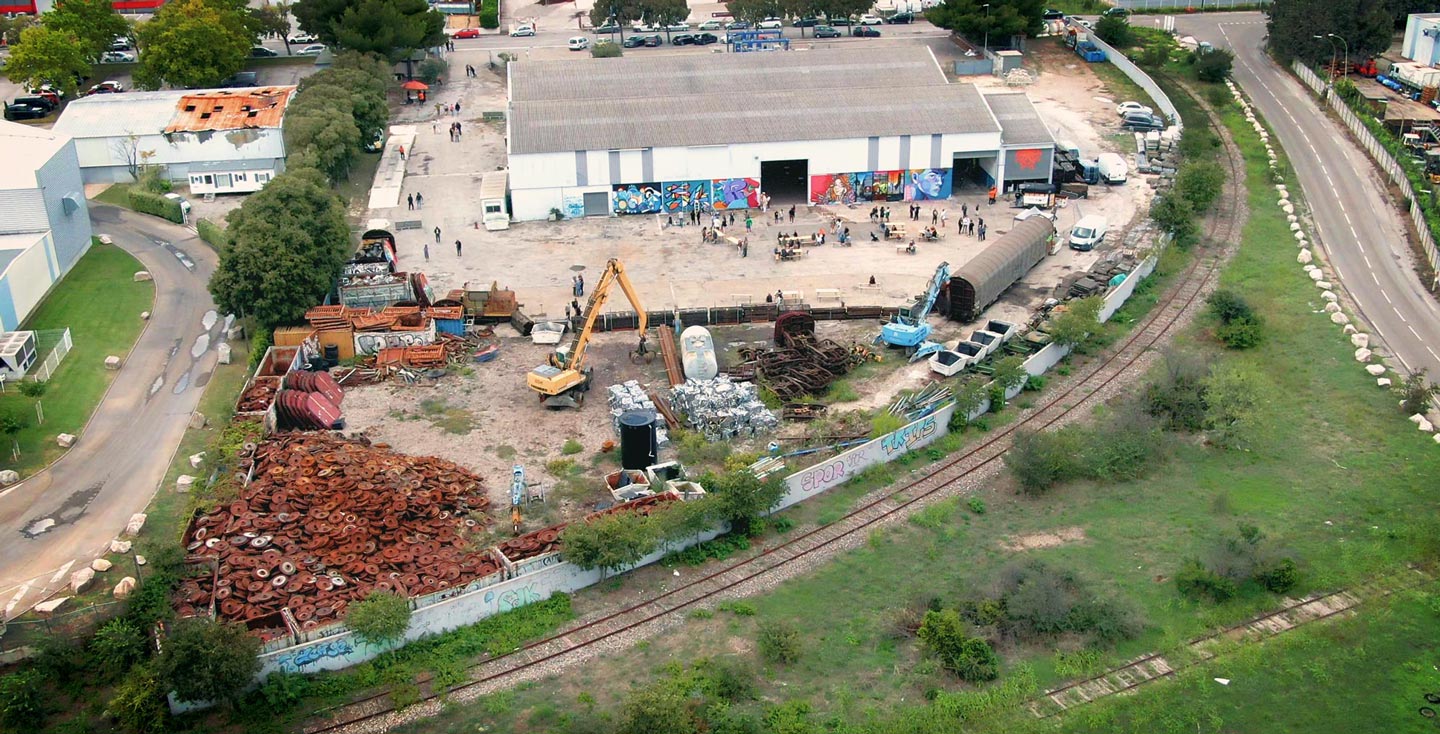
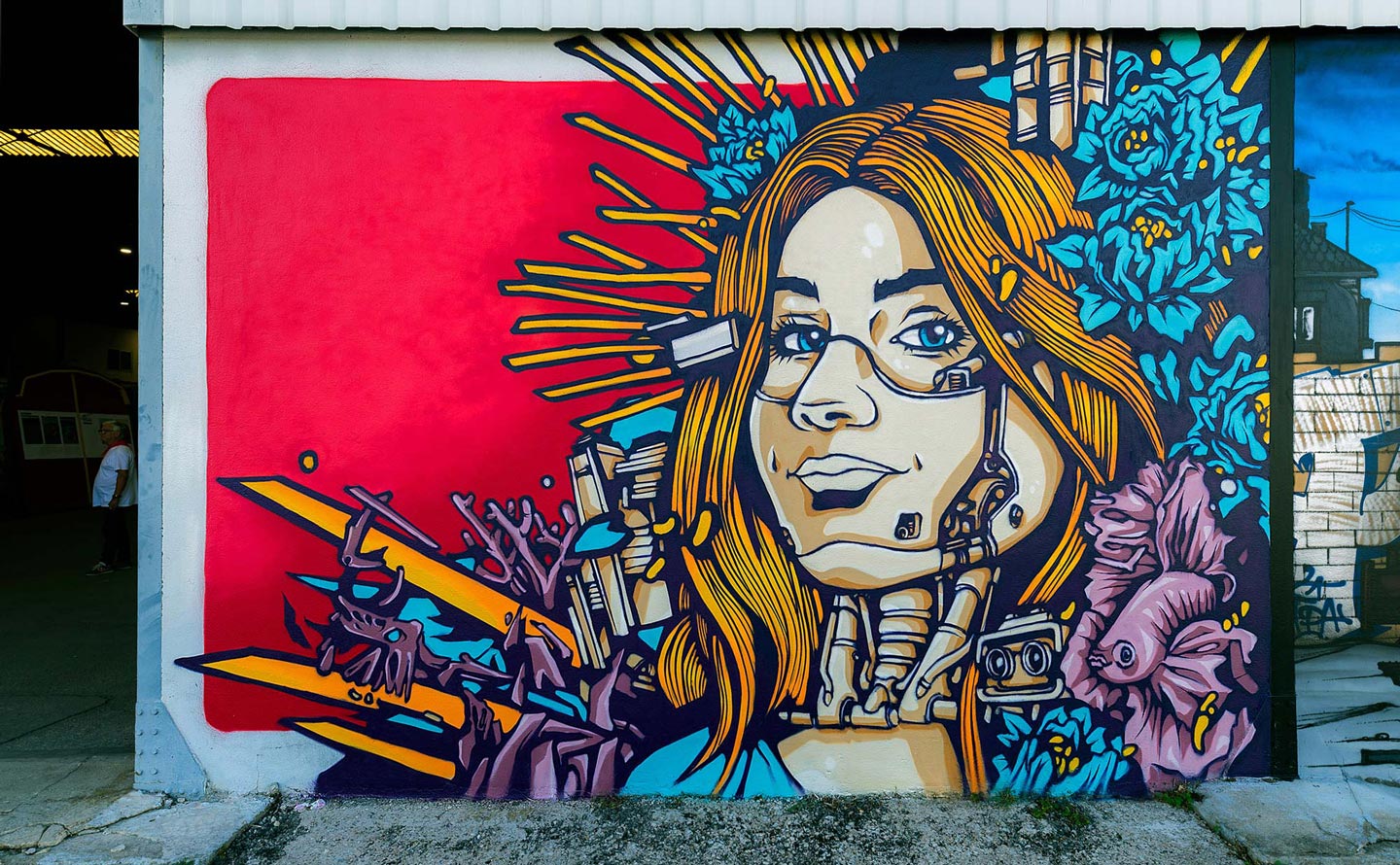
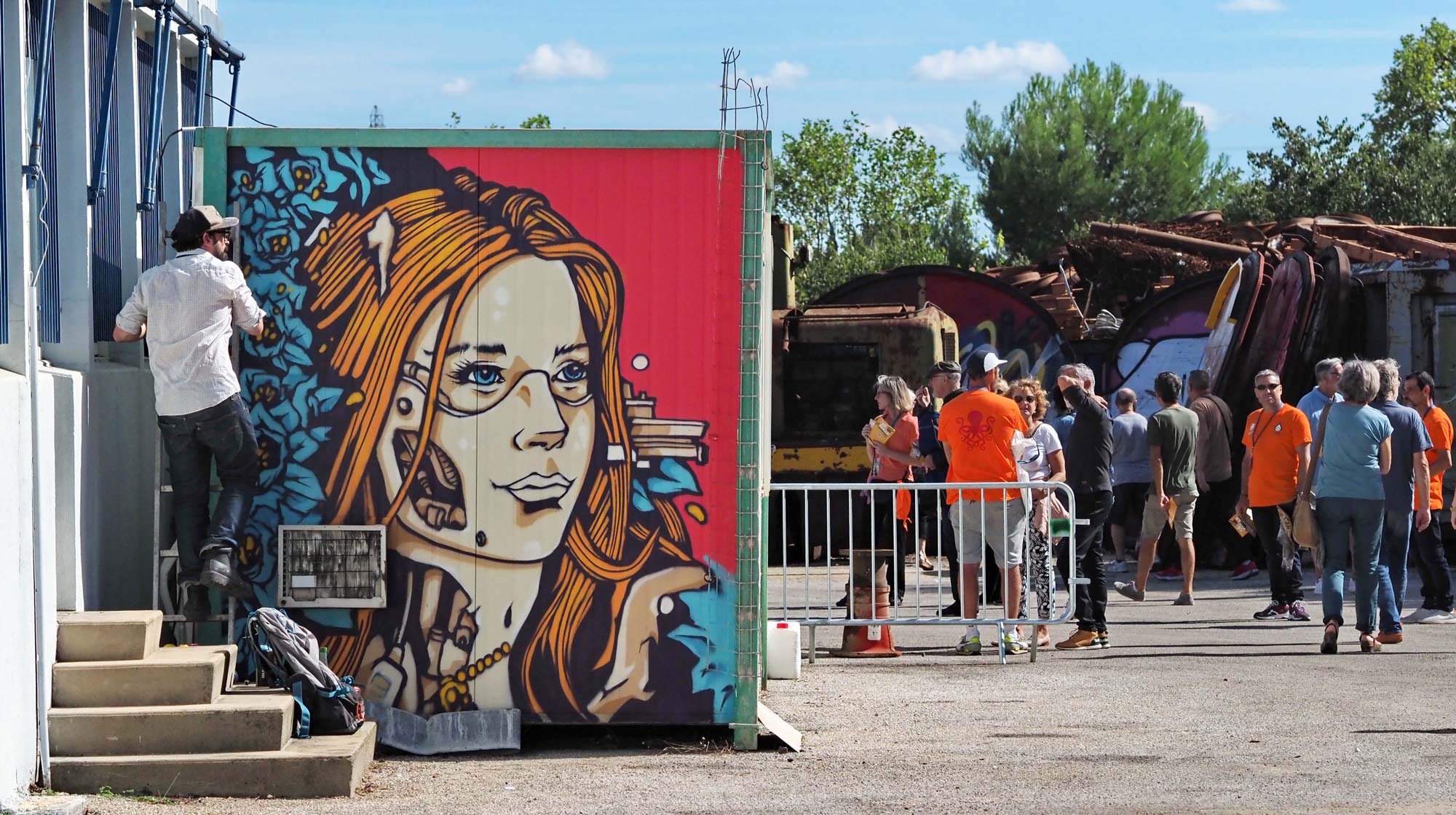
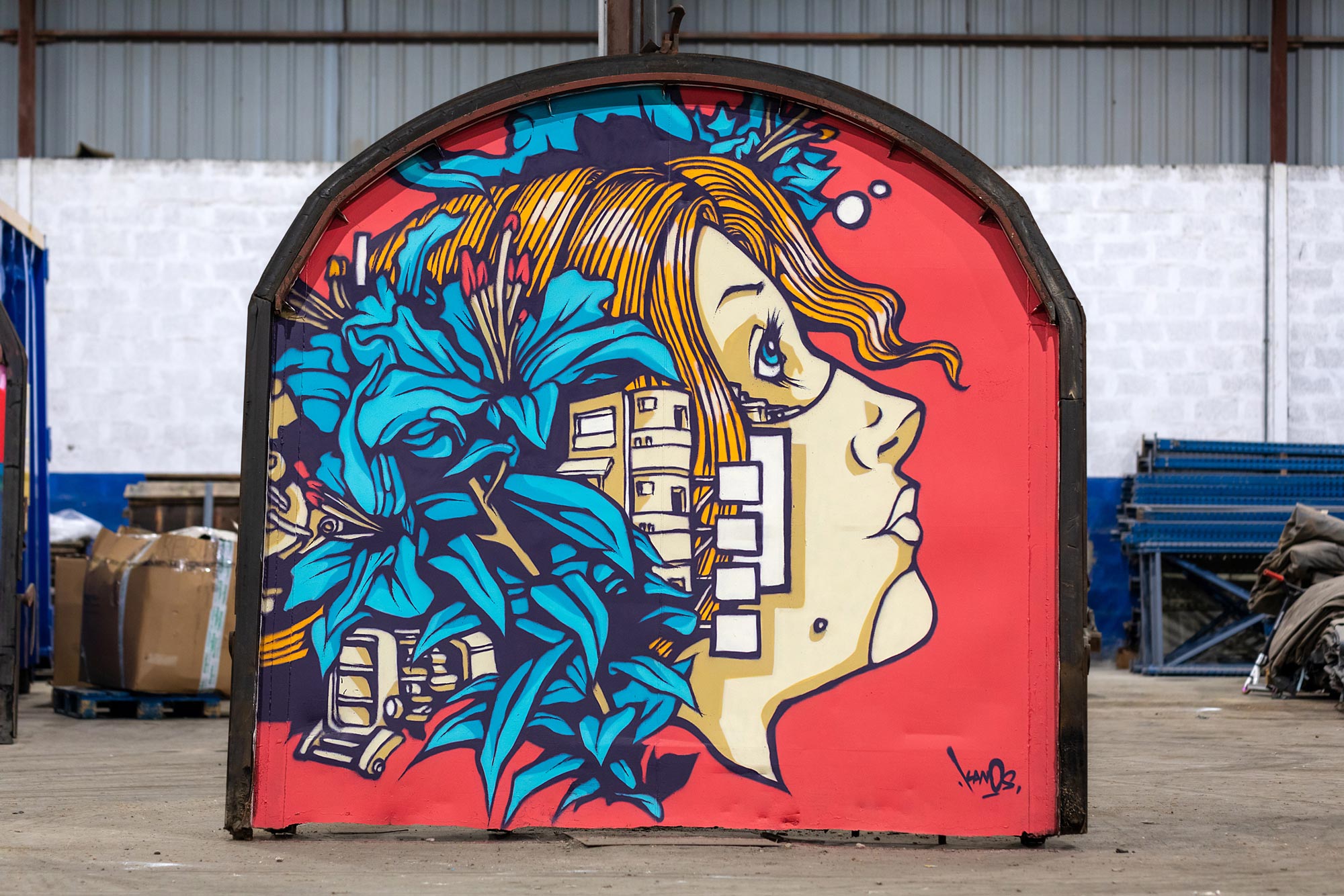
I was fortunate to participate in an incredible event organized by Amadurave and Osaro, held at the Durand company, which specializes in scrapping and recycling old trains. The setting was breathtaking, surrounded by deconstructed trains and industrial remnants.
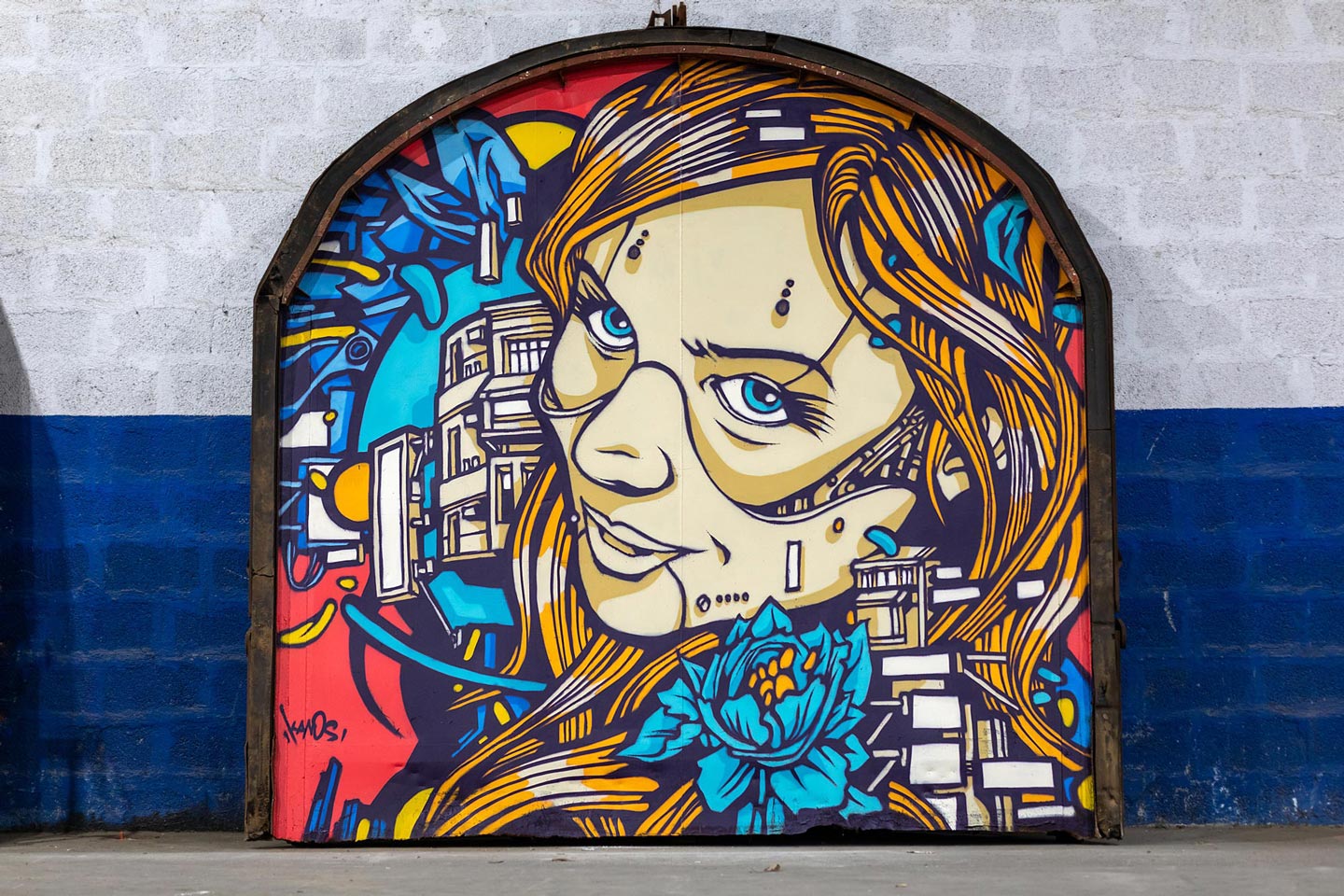
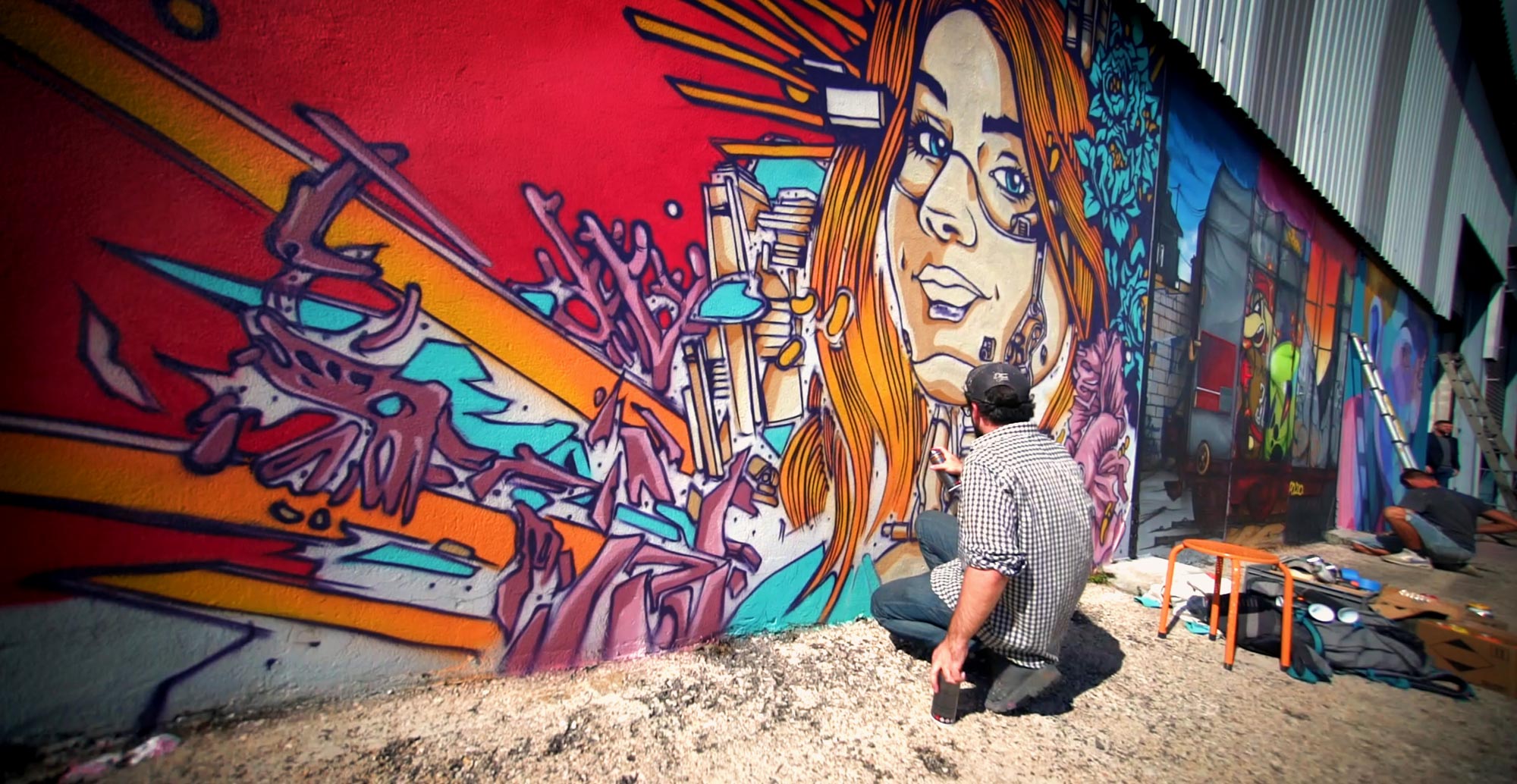
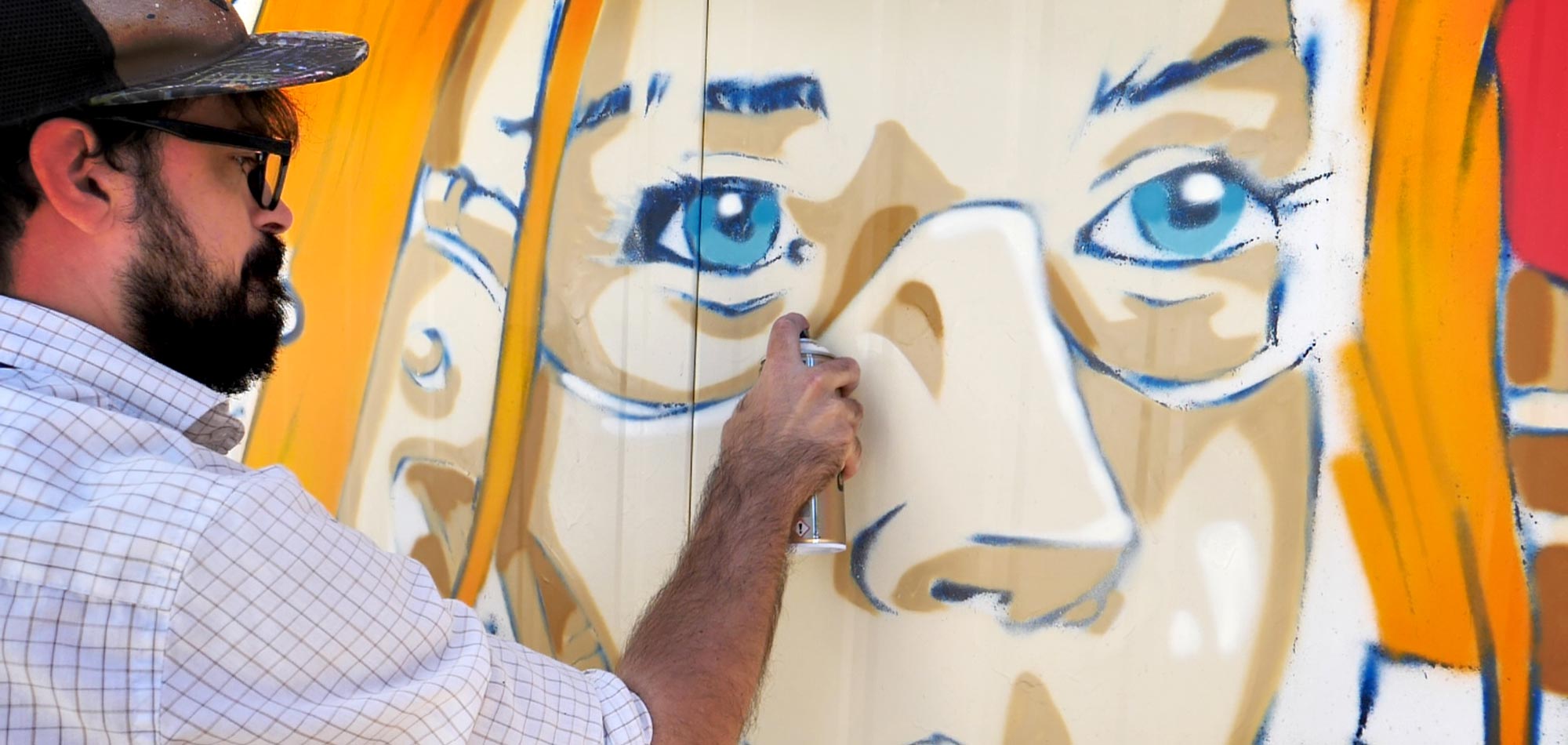
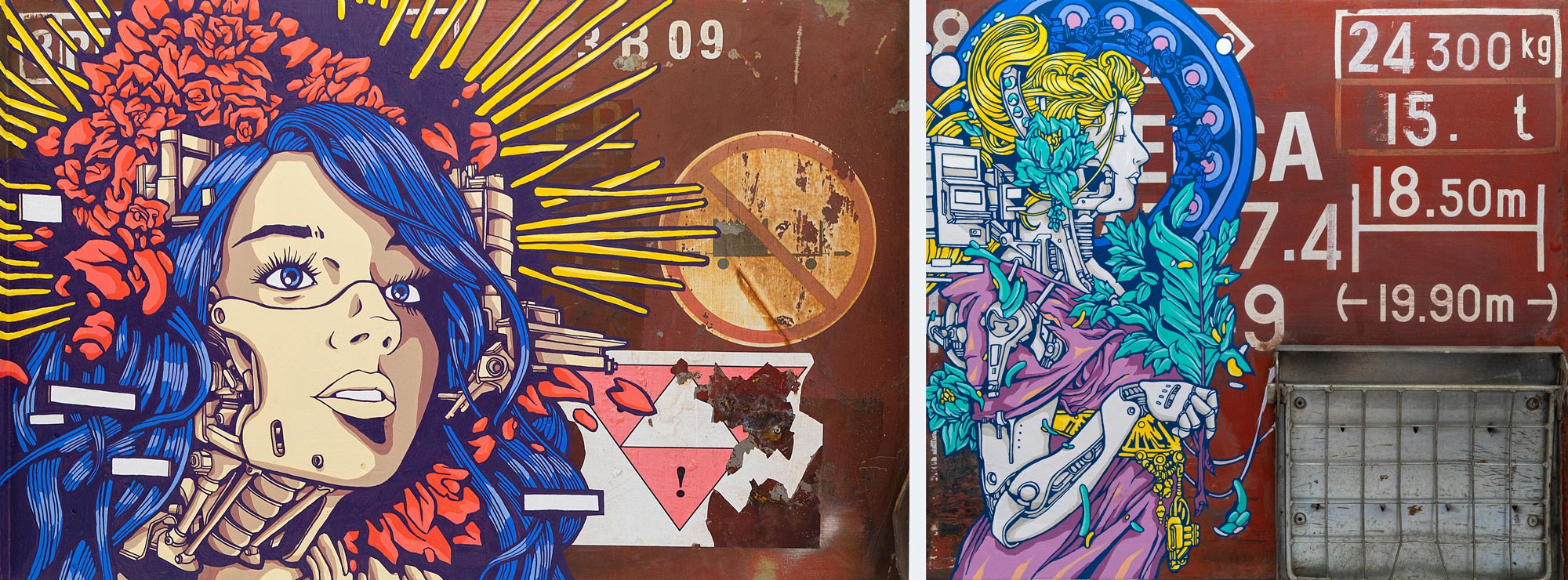
Each artist had the opportunity to paint on large steel pieces from the trains, turning scrap metal into art. In addition to my mural contribution, I also handled all the graphic design for the event, including the posters and videos. It was an unforgettable creative experience in an extraordinary environment.
This project is part of a broader exploration of industrial transformation through artistic intervention. The setting of a train scrapyard provides a powerful visual and conceptual framework where industrial history becomes raw material for contemporary creation.
The collaboration between Amadurave and Osaro brought together different artistic and organizational perspectives. This allowed the event to function not only as an exhibition but as a fully integrated artistic environment where production, display and communication were interconnected.
One of the key aspects of this project is the transformation of industrial remnants into artistic surfaces. The steel fragments of old trains, once part of functional transportation systems, are repurposed as canvases for street artists. This process highlights the evolving relationship between utility, decay and artistic reinterpretation.
The environment of the Durand company site plays a central role in shaping the artistic experience. The presence of dismantled trains, heavy machinery and industrial debris creates a strong atmosphere that directly influences the works produced on site. The context is not neutral; it actively participates in the creative process.
In addition to my mural contribution, I was responsible for the graphic design of the event, including posters and video content. This dual role allowed for a coherent visual identity across both physical interventions and communication materials. The design language had to reflect the rawness of the location while maintaining clarity for promotional purposes.
The visual identity developed for the event draws from industrial aesthetics, focusing on textures, metallic surfaces and structural forms. These elements help reinforce the connection between the artworks and their environment, creating a consistent narrative between space and communication.
The collaboration between multiple artists on large steel pieces introduces a collective dimension to the project. Each intervention contributes to a larger visual composition, transforming fragmented industrial objects into unified artistic statements.
The concept of recycling is central to the project, both materially and symbolically. Industrial waste is not simply reused but reinterpreted through artistic practice. This transformation reflects broader themes of regeneration, memory and adaptation within contemporary urban environments.
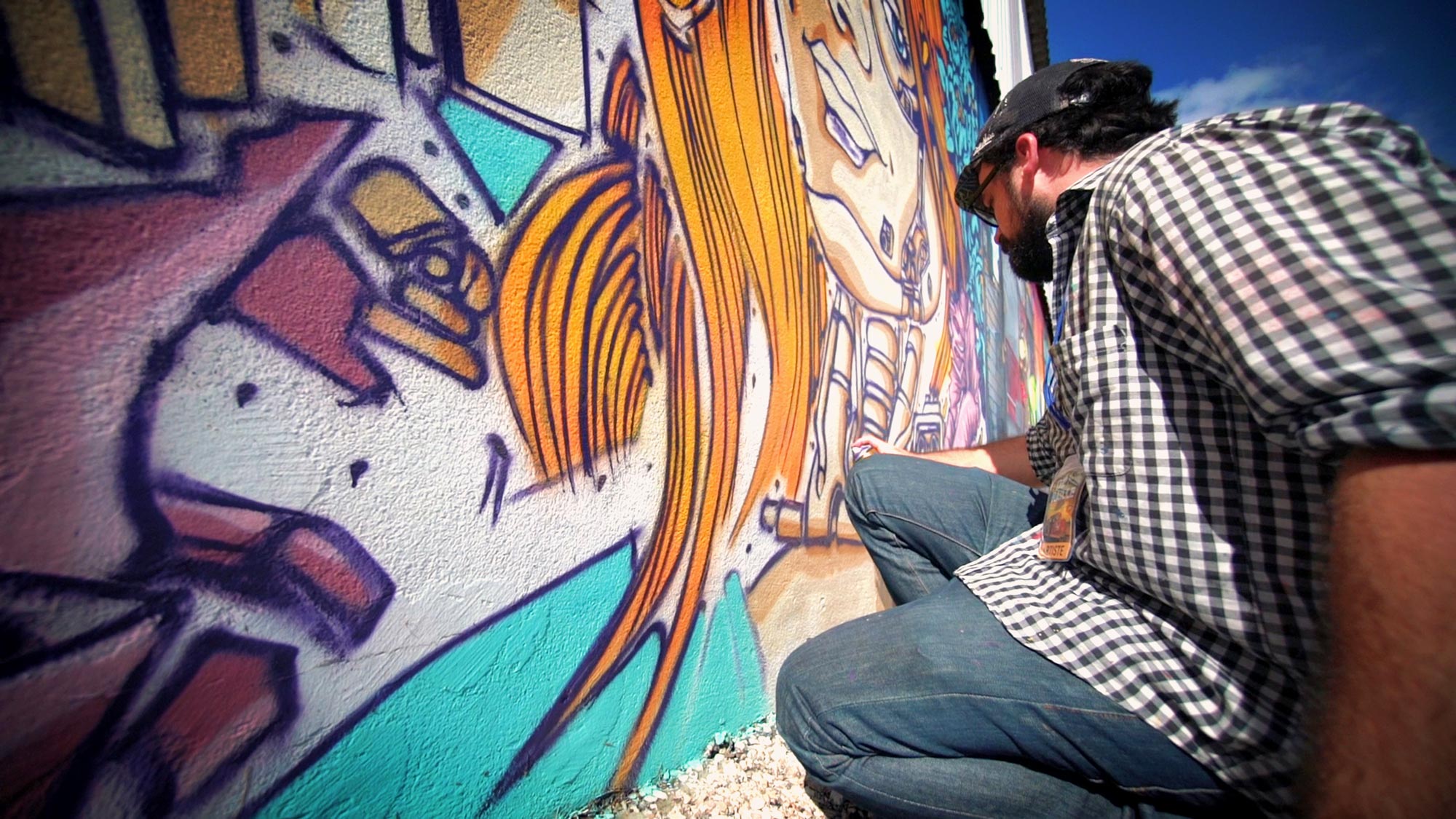
The “Déraille” environment functions as both studio and exhibition space. Artists are not working in isolation but within a shared industrial landscape that constantly influences the outcome of their work. This proximity between creation and environment strengthens the immediacy of the artistic expression.
Ultimately, this 2022 edition represents a foundational moment in the development of the Déraille project. It establishes key themes that will continue in later editions, including industrial transformation, collaborative creation and the integration of graphic design within large-scale urban art events.
The experience highlights how industrial spaces can be reactivated through art, turning sites of decay into platforms for collective creativity and visual experimentation.