
Productions graff 2012
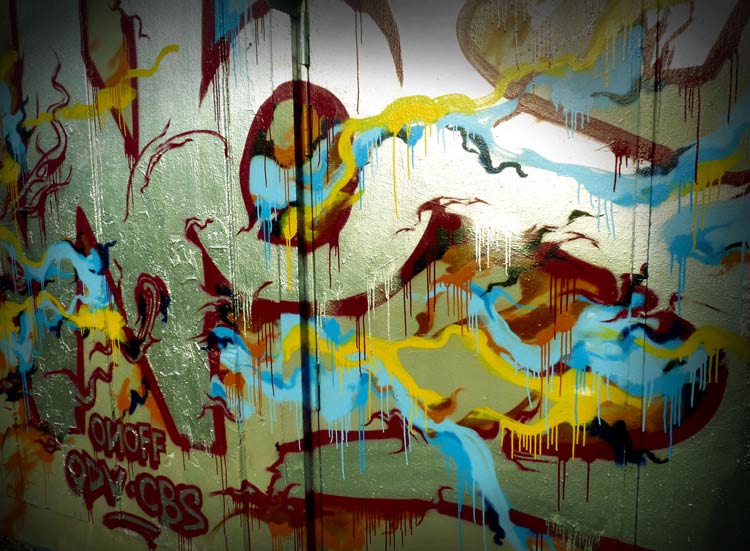
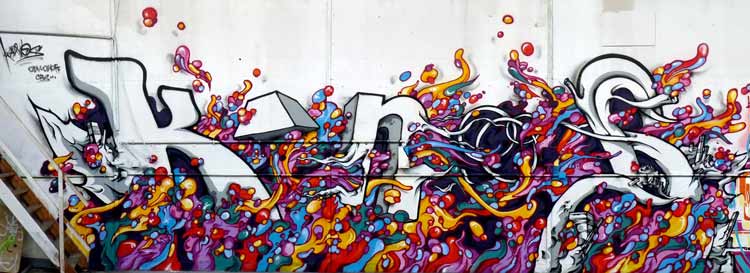
The Productions Graff 2012 archive presents a selection of mural works created throughout 2012 in Paris and the surrounding region. While not intended as a complete documentation of every piece produced during the year, this collection provides an overview of the visual directions, recurring themes, and urban environments that shaped my graffiti practice during this period.
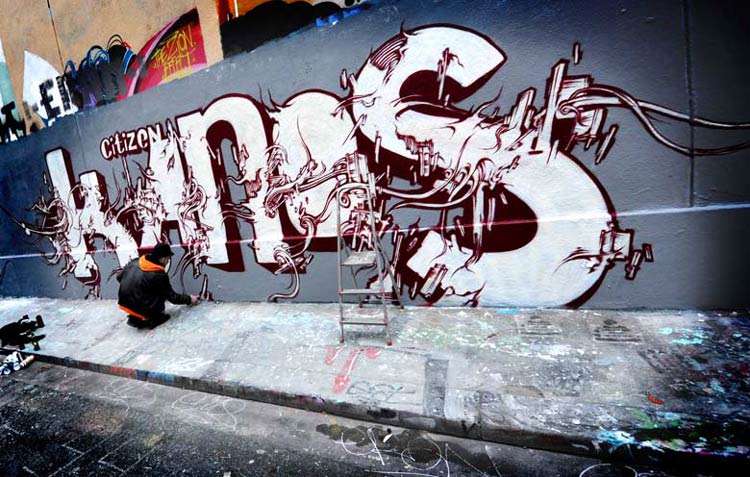
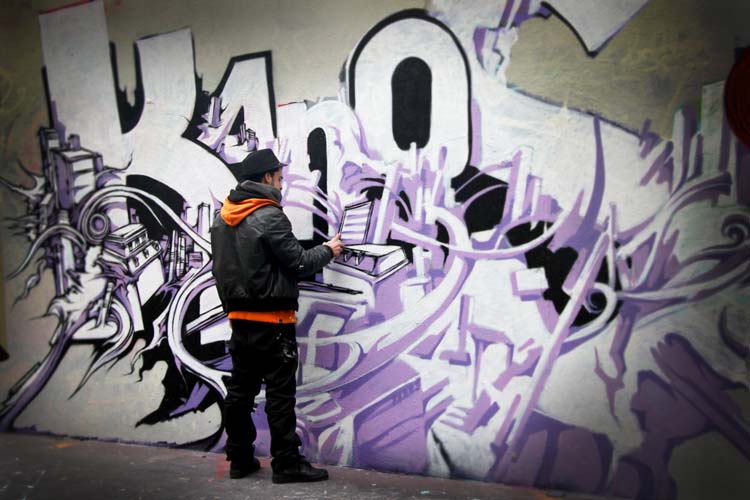
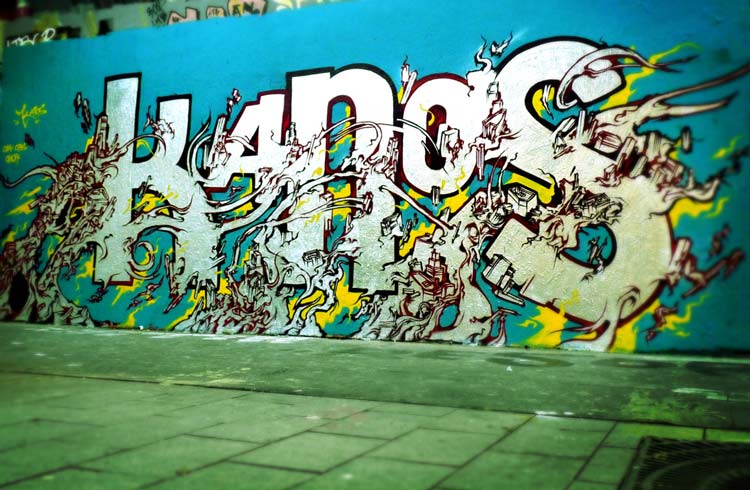
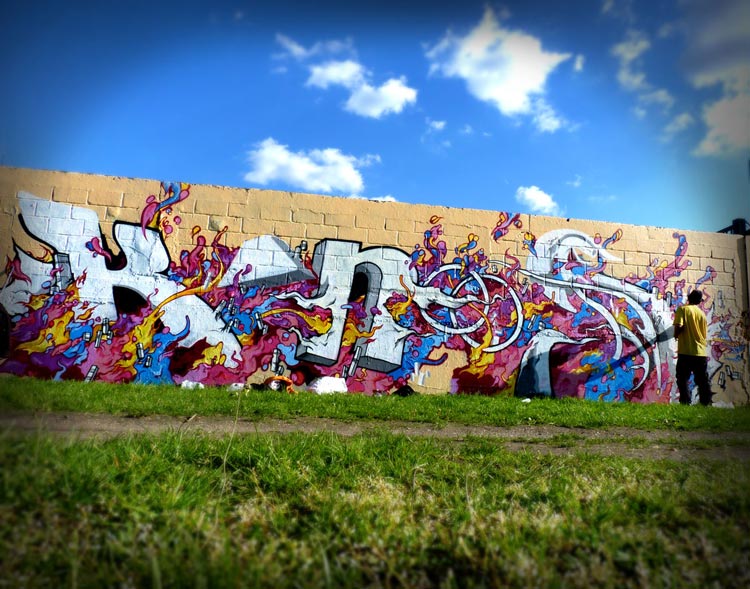
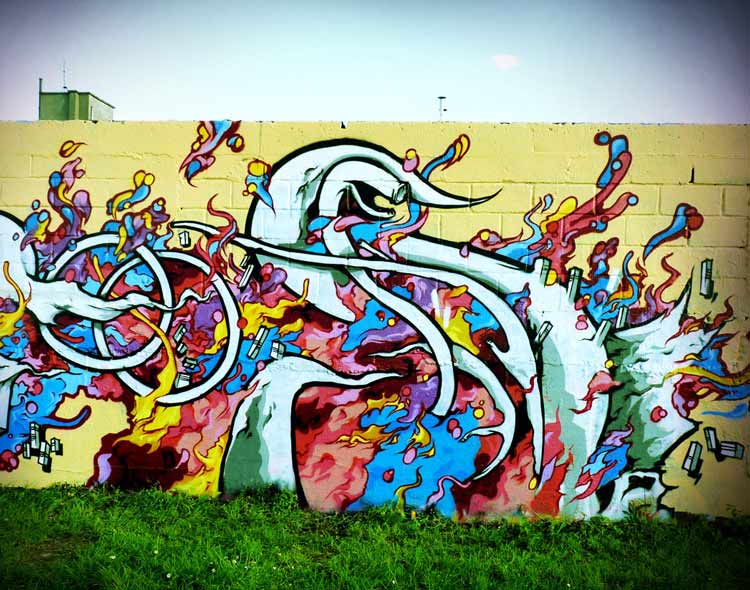
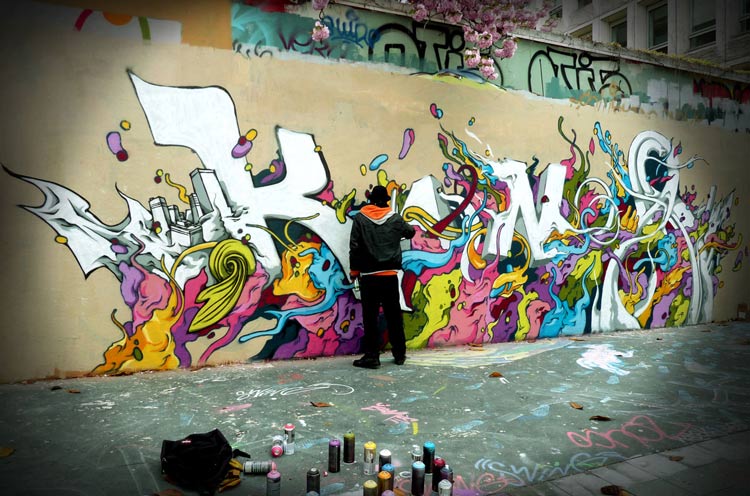
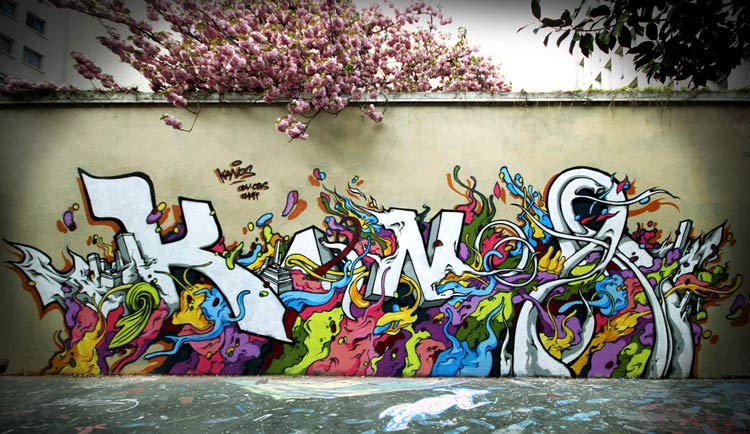
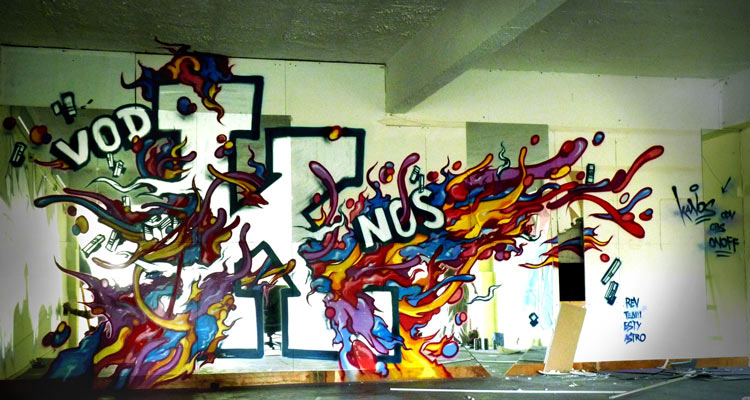
At the center of these works is a typographic approach to graffiti writing. Rather than focusing on traditional lettering styles, the pieces explore the construction of letterforms as graphic structures. The name becomes a framework capable of supporting additional visual narratives. Each composition begins with typography but quickly expands beyond it, incorporating architectural fragments, urban references, and symbolic elements that transform the lettering into a more complex visual system.
This period continues a visual research process developed over several years. The letters are treated almost as architectural constructions. Their structure provides a foundation onto which various elements can be attached, creating compositions that exist somewhere between graffiti writing, graphic design, and urban illustration.
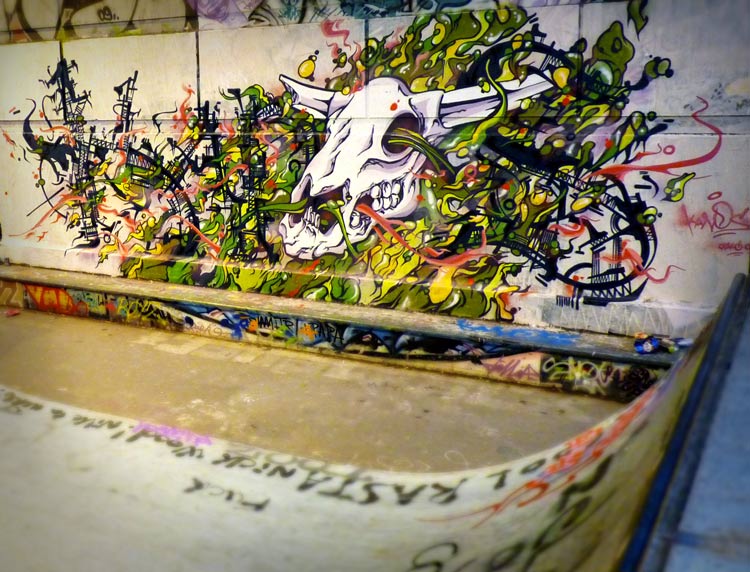
A recurring theme throughout the productions graff 2012 is the city itself. Buildings, industrial structures, rooftops, streets, and fragments of urban landscapes appear throughout the works. These elements are rarely represented realistically. Instead, they are broken down into graphic components and integrated directly into the lettering. Pieces of architecture become extensions of letters, while parts of cities emerge from the composition as if growing from the typographic framework.
The result reflects an ongoing fascination with urban transformation and the way cities evolve over time. Graffiti has always existed in direct dialogue with the built environment, and these works attempt to reinforce that connection by making the city itself part of the visual language.
Another important influence visible throughout the archive comes from travels in the United States and several road trips undertaken during previous years. These experiences introduced imagery that differs from the dense urban environment of Paris while still connecting to broader themes of movement, exploration, and cultural identity.
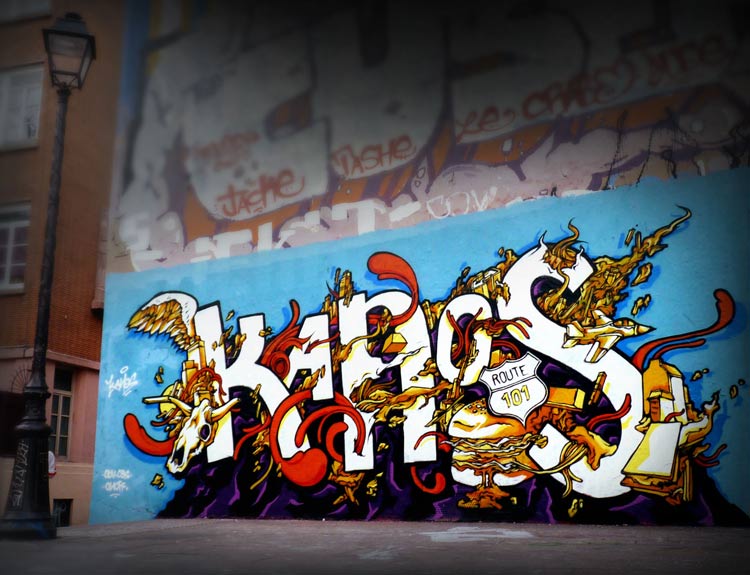
Among these references are cattle skulls, a recurring symbol associated with the landscapes of the American West. Rather than functioning as literal representations, they act as visual markers of travel and memory. Their presence introduces a contrast between metropolitan environments and the vast open spaces encountered during road trips across the United States.
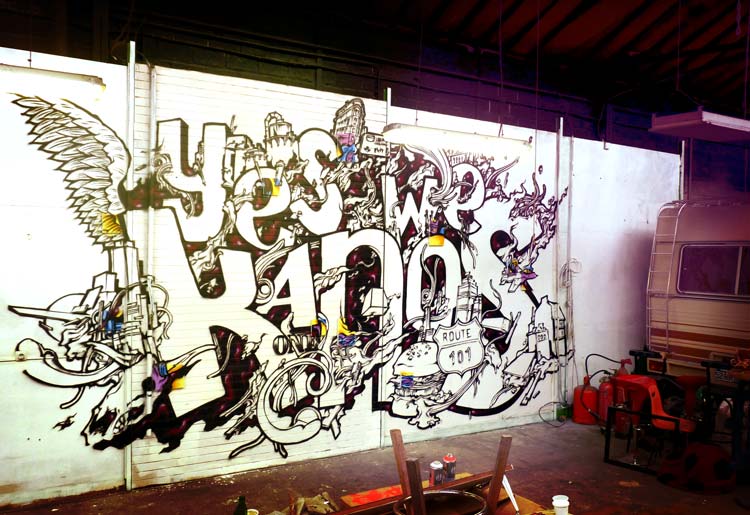
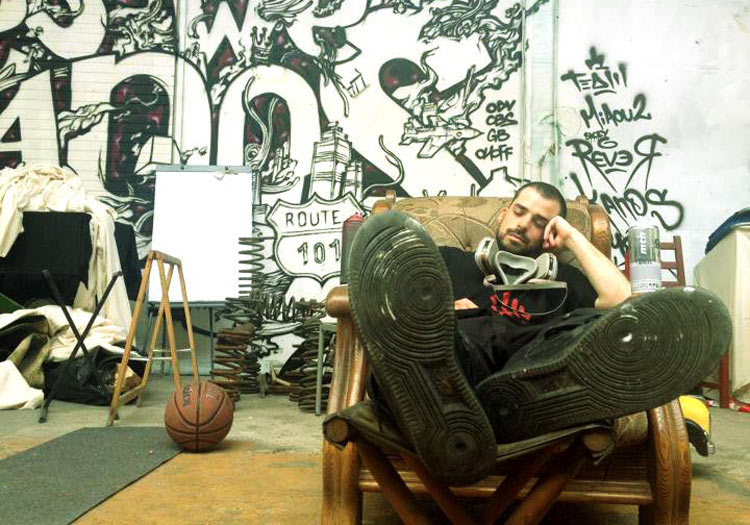
Road signs also appear within the compositions, particularly references to Highway 101. The famous route connecting major cities along the American West Coast became a symbolic element representing movement, distance, and discovery. For anyone familiar with Los Angeles and California road culture, the Route 101 sign immediately evokes a specific geographic and cultural environment.
These American references are intentionally combined with Parisian urban imagery. The coexistence of both visual worlds reflects the way personal experiences influence artistic production. Memories of travel become integrated into works created back home, creating hybrid compositions where different locations coexist within the same visual space.
Most of the murals included in this archive were painted in and around Paris. One important location was rue Henri Noguères near the Stalingrad district, an area that has long been associated with graffiti culture and urban experimentation. The walls found there provided opportunities for large-scale lettering and visual research.
Additional works were produced in Bagnolet inside a former spring manufacturing factory that had been transformed into a squat. Like many abandoned industrial sites, the location offered vast surfaces and a unique atmosphere shaped by its previous industrial function. The traces of machinery, production, and abandonment became part of the context in which the paintings were created.
Several pieces were also painted at the Bercy skatepark in Paris. Skateparks have historically maintained strong links with graffiti culture, and these environments create opportunities for interaction between different forms of urban expression.
The Canal de l’Ourcq also appears as an important setting throughout the year. The canal has long served as a meeting point for artists, photographers, and graffiti writers. Its industrial heritage and evolving urban landscape make it a particularly relevant environment for this type of work.
Another recurring location is the Pointe Poulmarch near the Canal Saint-Martin. This area offered both visibility and creative freedom, becoming one of the many places where experimentation with typography and urban imagery could develop outside traditional exhibition spaces.
Looking back, the Productions Graff 2012 archive documents a period where typography became increasingly interconnected with architecture, travel memories, and urban observation. The works move beyond the simple act of writing a name and instead explore how personal experiences, cities, industrial environments, and cultural references can coexist within a single visual structure.
Although these murals were created in different places and under different circumstances, they are linked by a common vocabulary. Typography remains the foundation, but it becomes a vehicle for exploring broader themes including urban transformation, industrial memory, travel, movement, and the relationship between local and international influences.
Pix by: Monsieur Morac, Panoramix, Marco la mouche, Thanks to all of you!!
Frequently Asked Questions
What is the Productions Graff 2012 archive?
It is a selection of graffiti murals created throughout 2012, documenting a year of artistic production across Paris and surrounding areas.
What visual themes appear in these works?
The murals combine typography, architecture, urban landscapes, industrial structures, travel memories, cattle skulls, and Route 101 references.
Why are American symbols included in the artwork?
They originate from travels and road trips in the United States and became recurring visual references integrated into the lettering.
Where were these murals painted?
Locations include rue Henri Noguères near Stalingrad, a former factory squat in Bagnolet, the Bercy skatepark, the Canal de l’Ourcq, and the Pointe Poulmarch near Canal Saint-Martin.
How does this series differ from traditional graffiti lettering?
The letterforms function as complex visual structures that incorporate architecture, urban imagery, and personal references rather than focusing solely on writing style.