Frequently Asked Questions
What is this Minerva mural about?
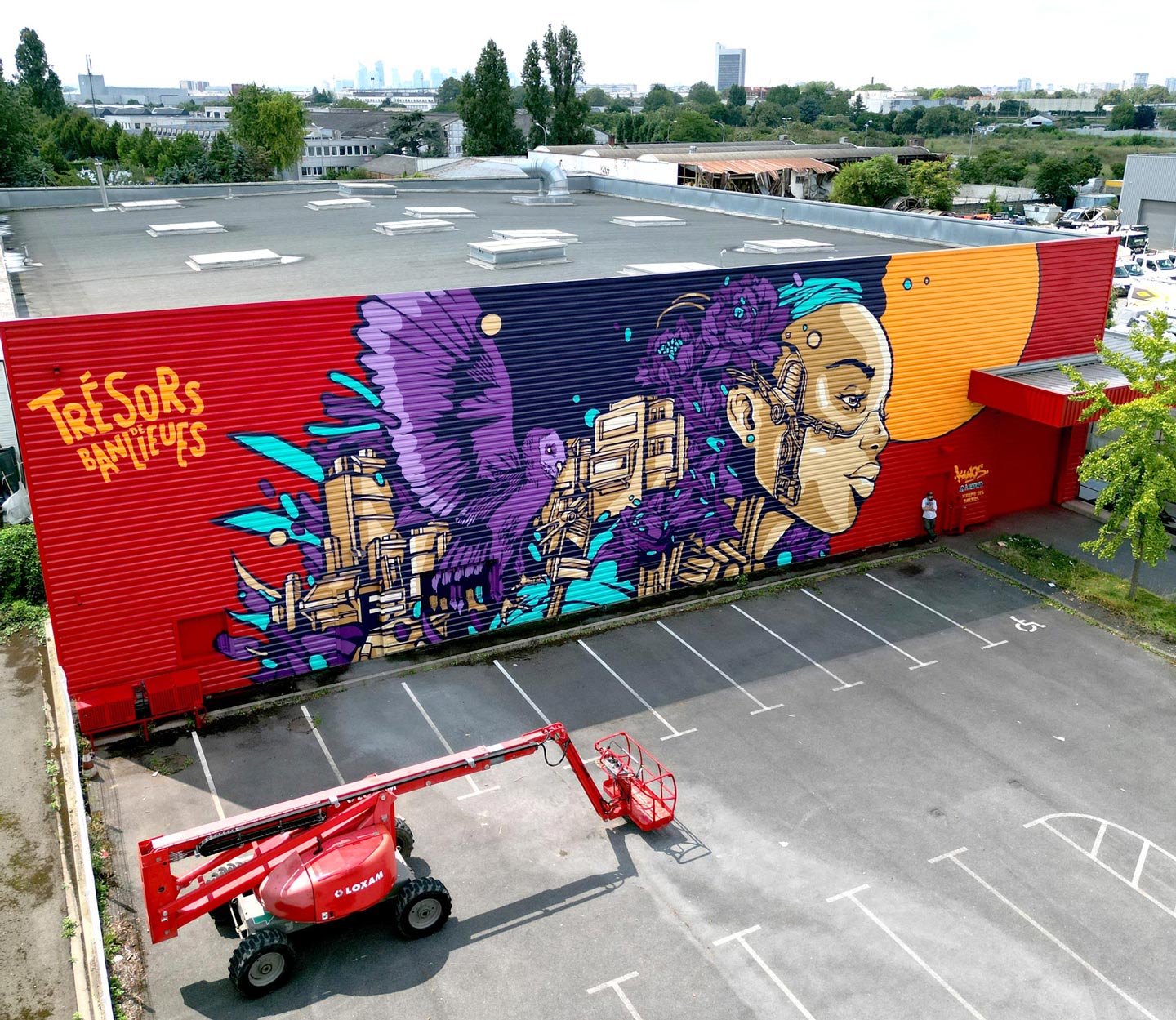
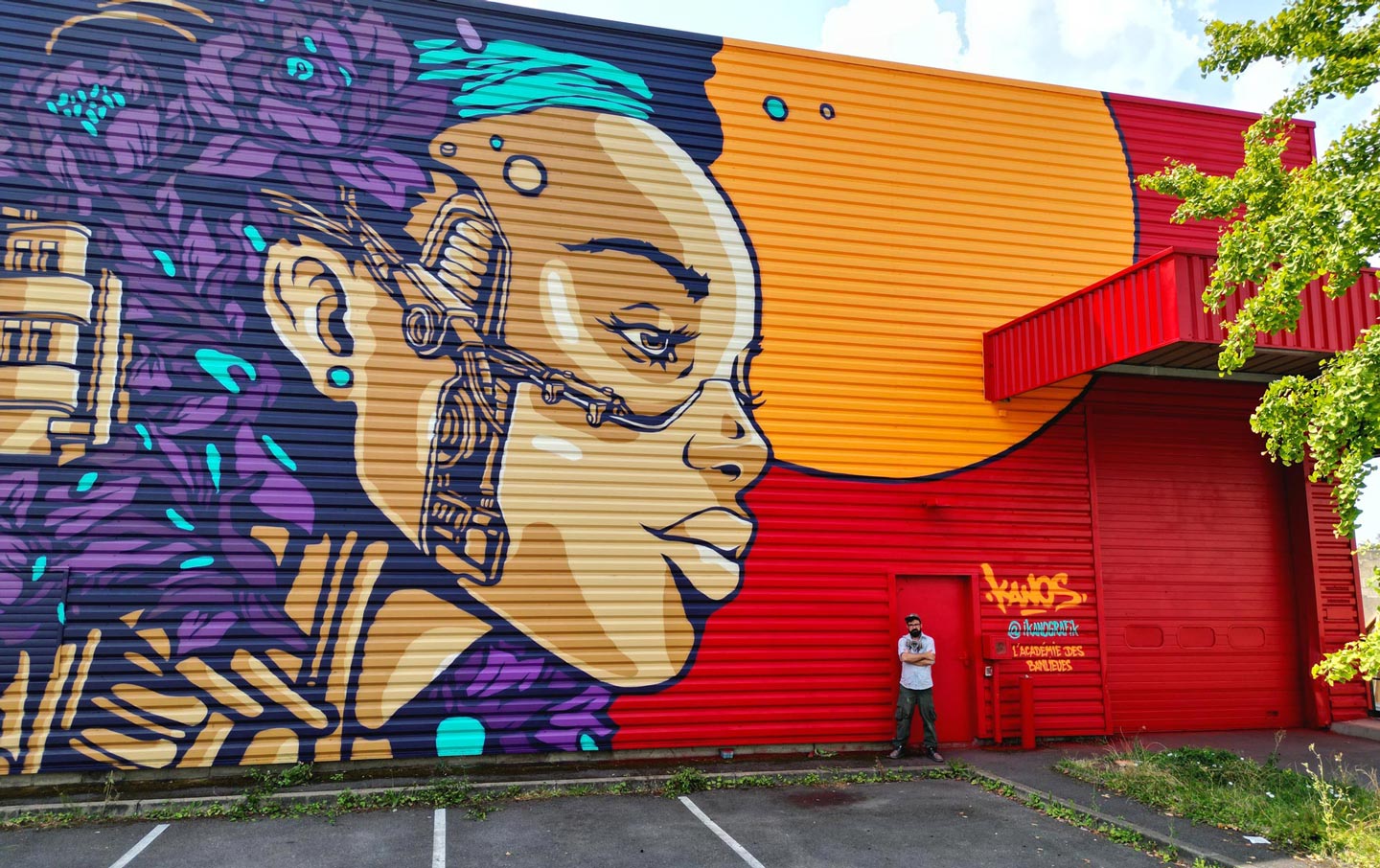
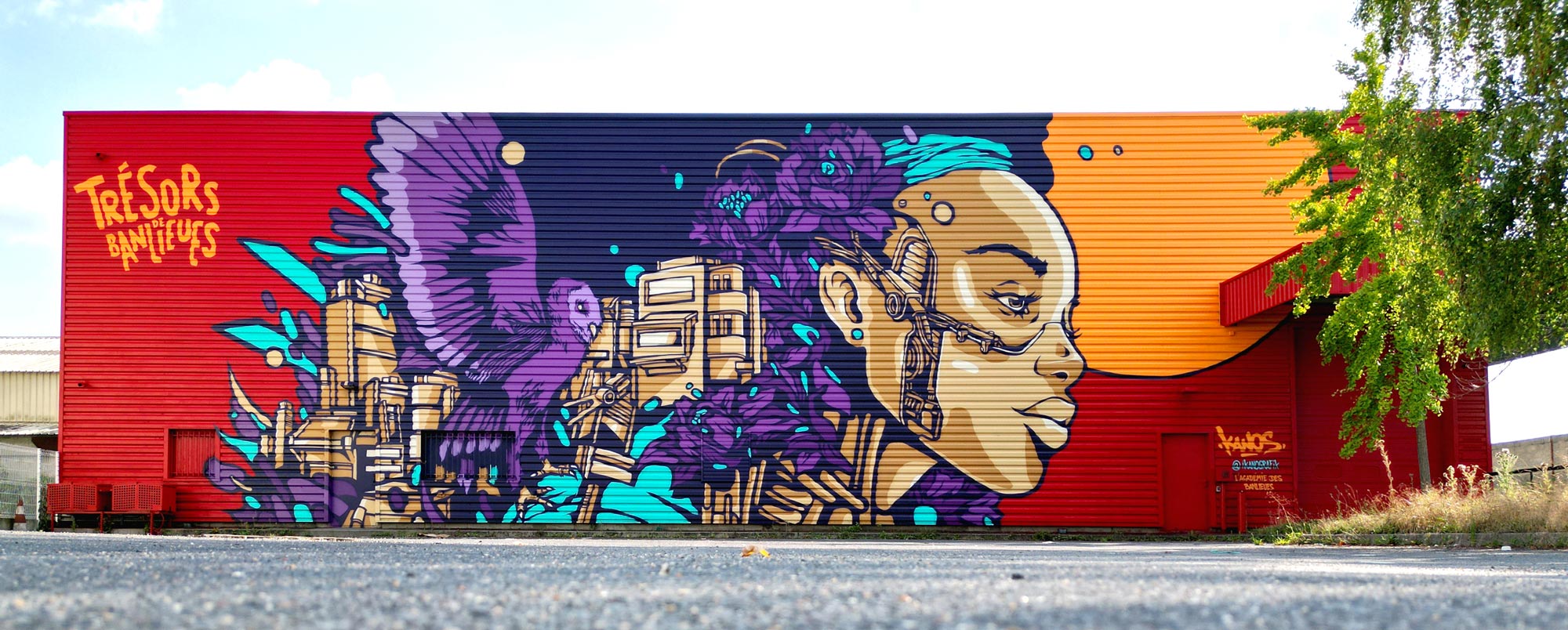
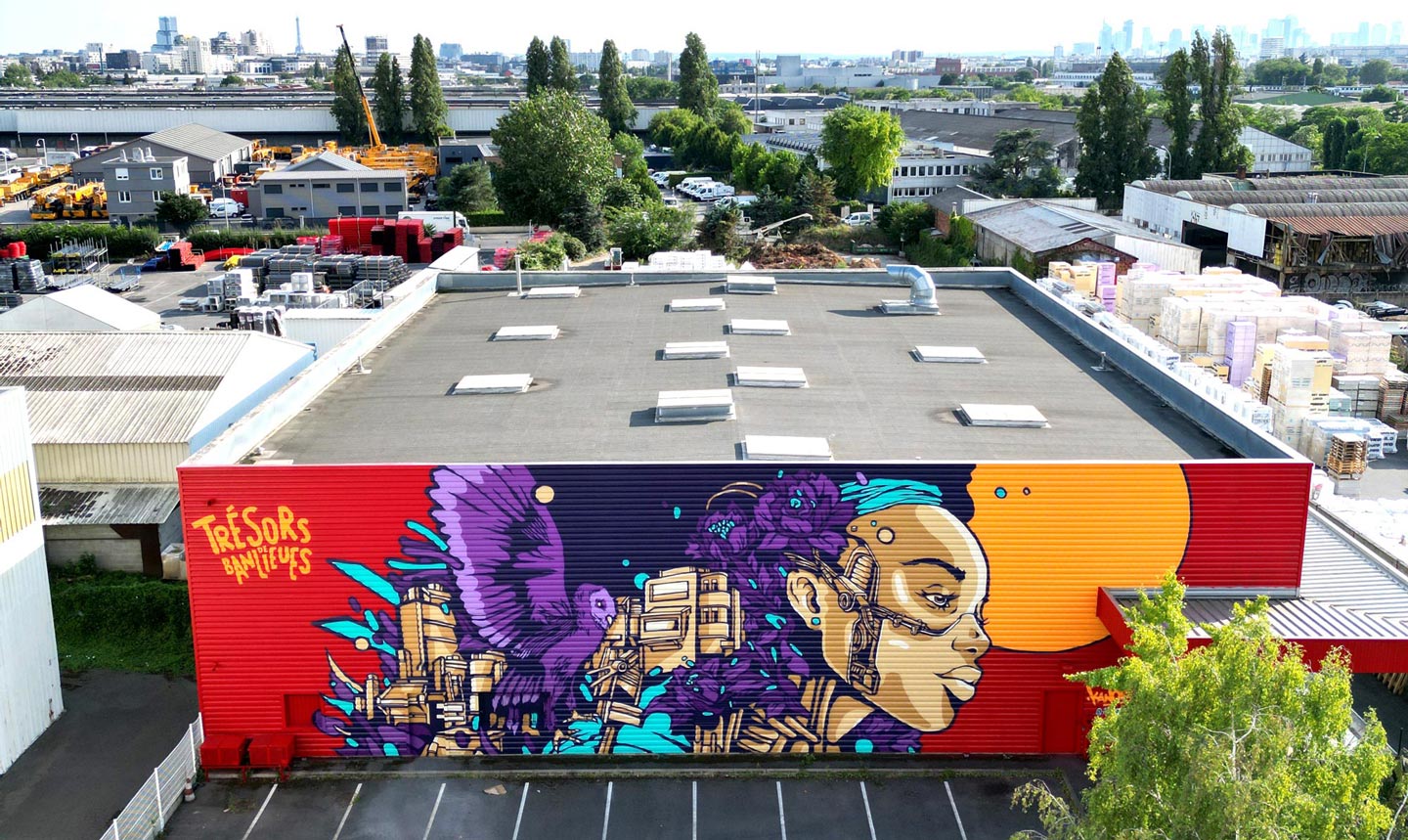
It is a public artwork created by Alex Kanos for the exhibition “Trésors de Banlieues,” inspired by the Roman goddess Minerva and themes of wisdom and transformation.
What does Minerva represent in the mural?
Minerva represents wisdom, knowledge, observation and structured understanding in Roman mythology.
What is the meaning of the owl in the artwork?
The owl symbolizes knowledge and perception, associated with understanding that comes after observation.
What themes are explored in the mural?
The work explores duality between human and machine, organic and mechanical systems, and industrial transformation.
What does the peony flower represent?
The peony symbolizes honor, hope and dignity, adding an organic counterbalance to industrial elements.
Wisdom and Art: A Tribute to Minerva at “Trésors de Banlieues”
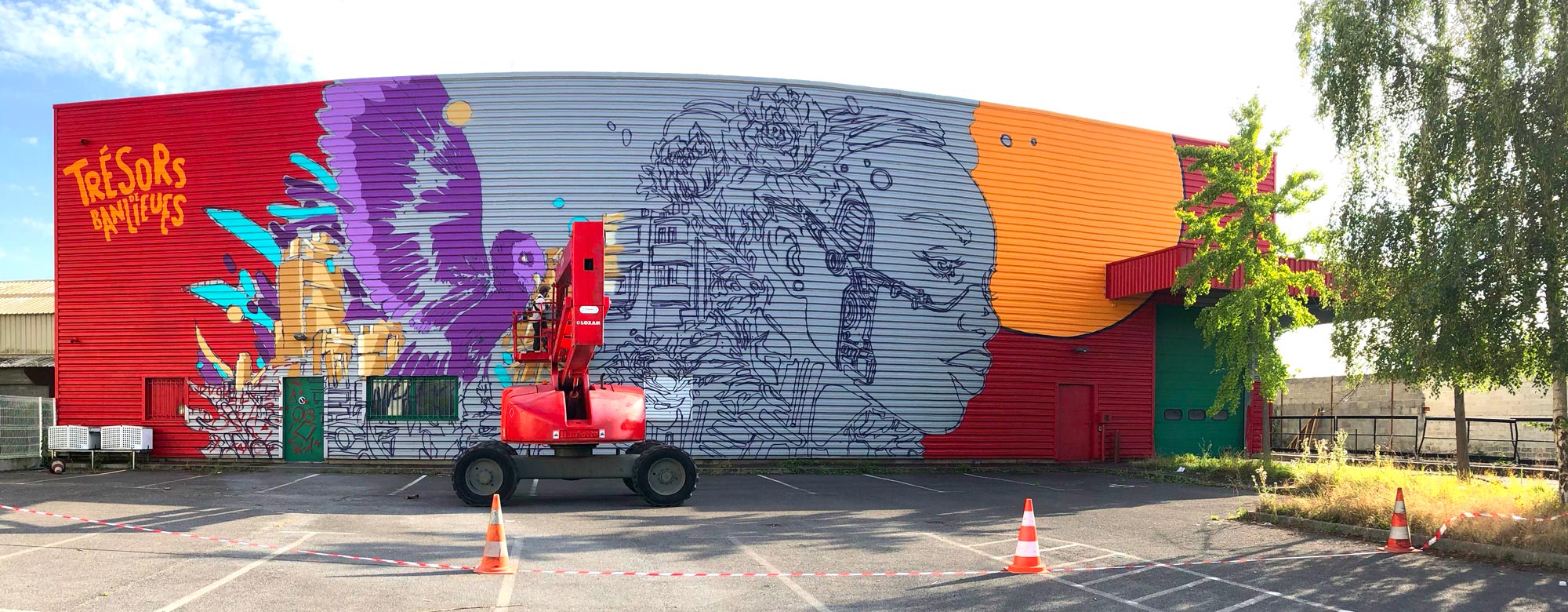
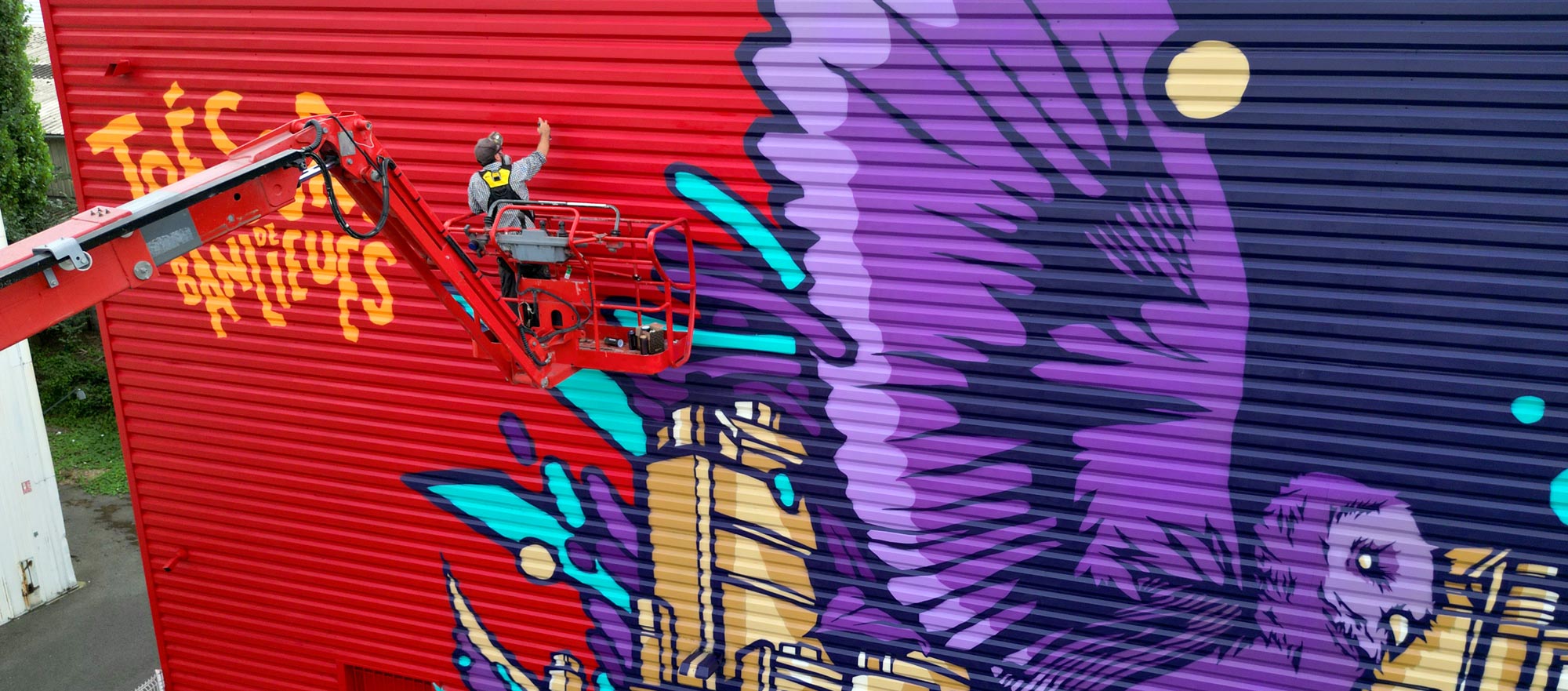
Minerva is a part of the remarkable exhibition “Trésors de Banlieues,” which brings together contributions from over 70 local communities, I had the privilege to create a mural for the event. The exhibition showcases the artistic richness of suburban cities, featuring works from the 17th century to today, across various forms including painting, sculpture, and photography.
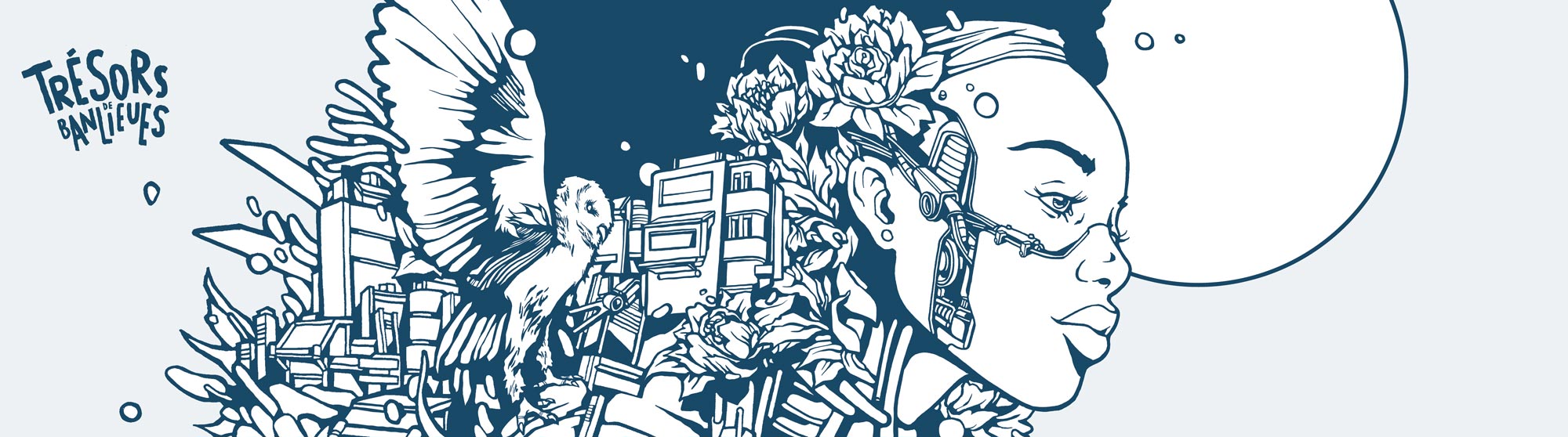
For my piece, I drew inspiration from Minerva, the Roman goddess of wisdom. Her owl, a symbol of knowledge, takes flight at dusk, embodying the understanding that comes fater observation.
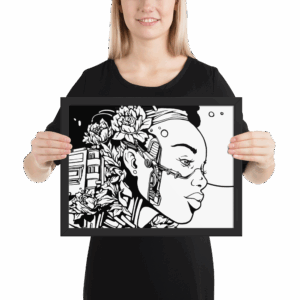
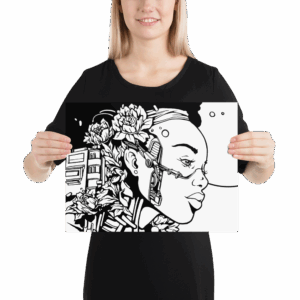
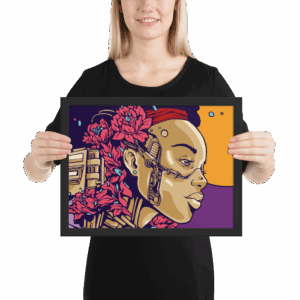
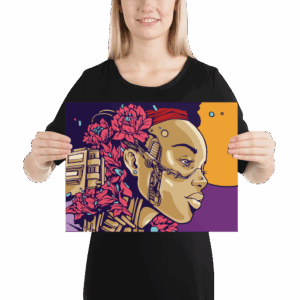
This theme of duality—human and machine, organic and mechanical, nature and city—echoes throughout my work. In this mural, the character represents the fusion of human and machine, much like the factory workers of our industrial past. The peony flower, a symbol of honor and hope, ties the piece together, and each element invites viewers to interpret their own meaning.
The mural is inspired by Minerva, the Roman goddess of wisdom. In Roman mythology, Minerva embodies intelligence, strategy, craft, and knowledge. She is often associated with structured thought and the ability to understand the world through observation and reflection rather than impulse. This conceptual foundation plays a central role in the construction of the mural.
One of the key symbolic elements in the work is the owl, traditionally associated with Minerva. The owl represents knowledge and perception, particularly the idea of understanding that emerges after observation. In the mural, the owl is depicted as a figure of transition, taking flight at dusk, a moment that symbolizes passage between visibility and obscurity, knowledge and uncertainty.
This idea of duality is present throughout the composition. The mural explores the relationship between human and machine, organic and mechanical, nature and city. These oppositions are not treated as contradictions but as interconnected systems. The artwork suggests that contemporary identity is shaped by the constant overlap of these forces.
The character represented in the mural embodies this fusion. Rather than separating human and machine elements, the figure integrates both, reflecting the evolution of industrial society and its impact on human perception and labor. This references historical industrial workers while also projecting into contemporary technological environments.
Industrial memory is an important layer of the work. The mural reflects on the transformation of labor and production systems, where human gesture and mechanical processes have become increasingly intertwined. This hybridization creates a visual language where bodies and structures merge into a single system of representation.
Another significant element is the peony flower, which symbolizes honor, dignity, and hope. The flower introduces an organic counterpoint to the mechanical and industrial references within the composition. It acts as a stabilizing element, connecting the symbolic universe of Minerva with a softer, natural presence.
The combination of these elements creates a layered visual narrative. Rather than imposing a single interpretation, the mural invites viewers to construct their own reading. Each symbol—Minerva, the owl, the hybrid figure, the industrial references, and the peony—functions as an open structure of meaning.
Created within the context of Trésors de Banlieues, the mural also engages with the broader theme of suburban cultural identity. The exhibition itself highlights the diversity of artistic production outside traditional cultural centers, emphasizing the richness of local narratives and visual expressions.
In this environment, the mural becomes part of a collective dialogue between historical heritage and contemporary creation. It connects mythology, industrial memory, and urban transformation within a single visual system.
“Wisdom and Art: A Tribute to Minerva” ultimately reflects on knowledge as a process of observation, transformation, and interpretation. It positions art as a space where symbolic systems, historical references, and contemporary realities intersect and evolve together.
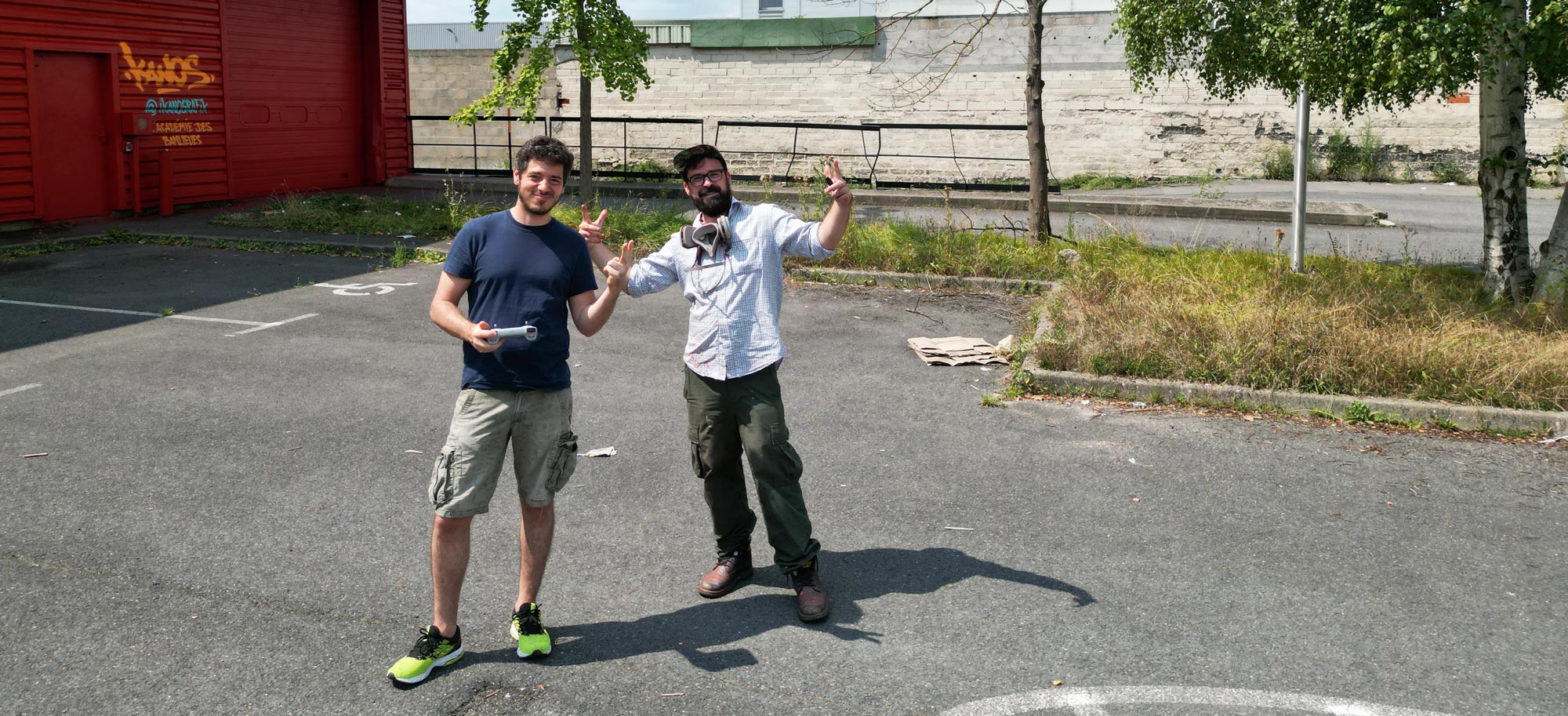
By Alex KANOS, Spray on wall / Organised by Académie des Banlieues and Art Tutti Fonds de dotation / Location Ville de Gennevilliers / Thanks to DJ Dimé