
Street Art Journey in China
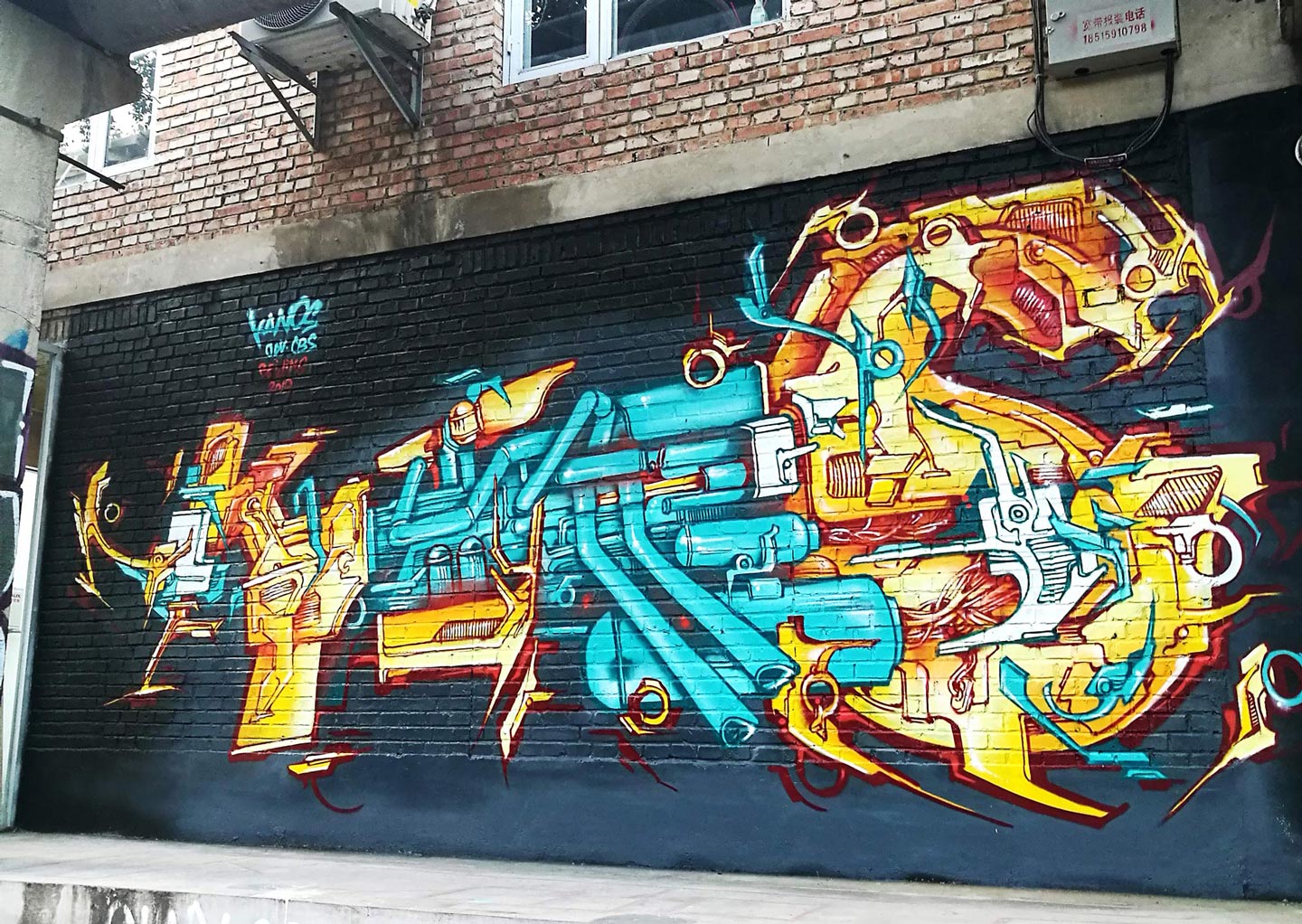
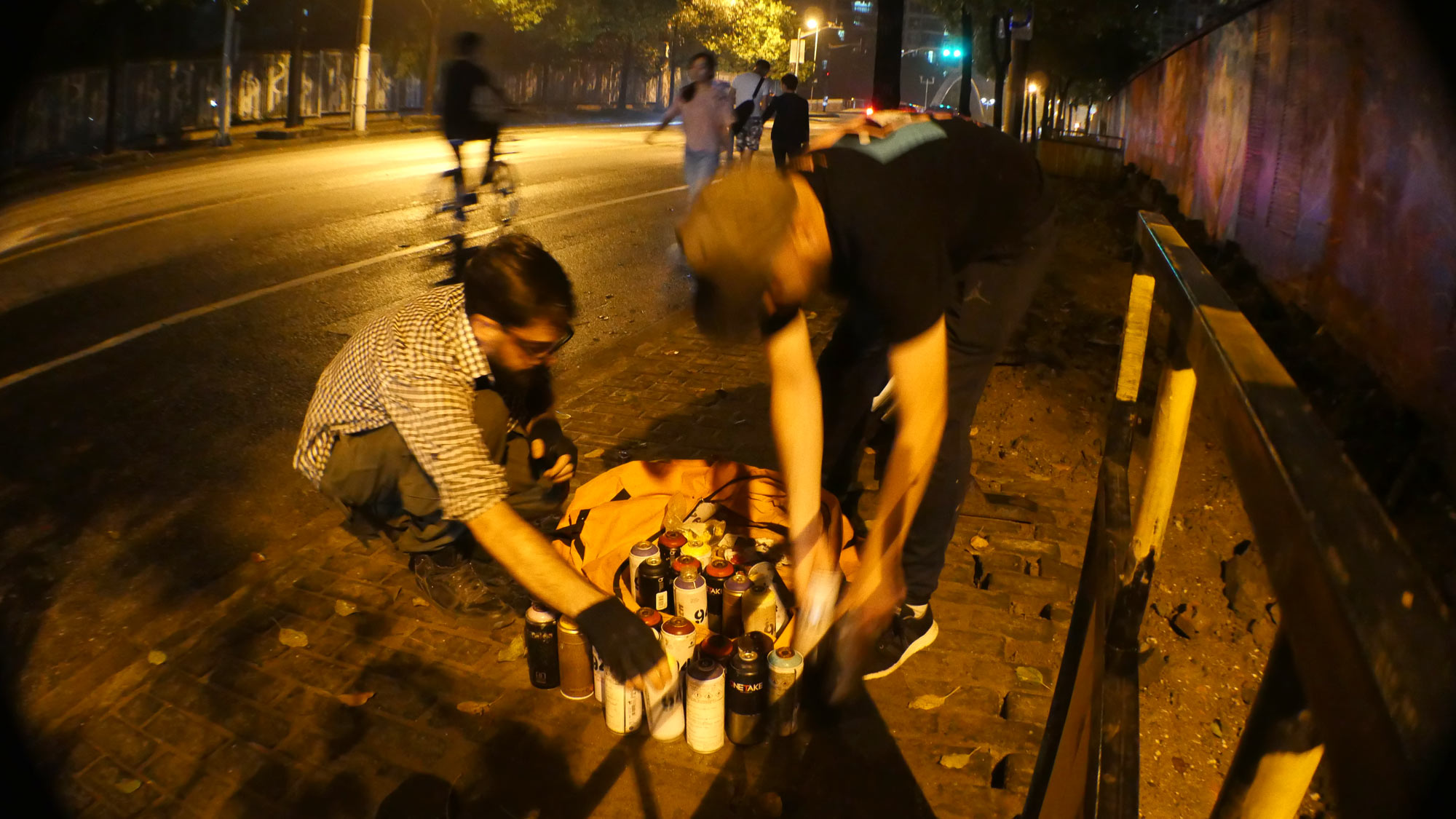
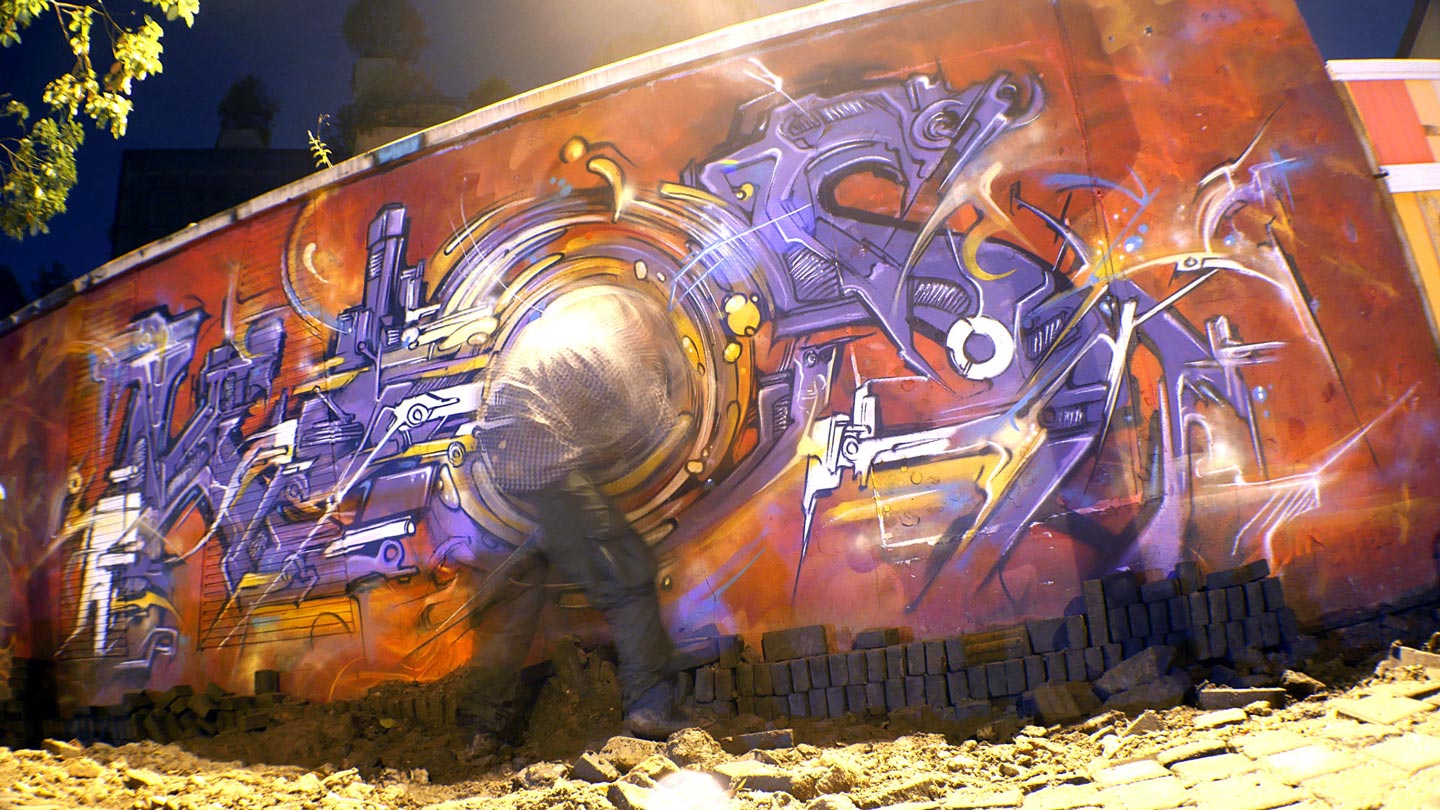
In 2019, after my travel in Hong-Kong, Vietnam and Cambodia, I embarked on a trip to China with the goal of painting walls using spray cans. The hip-hop culture there is very vibrant, and I had the chance to collaborate with local artists throughout my journey.
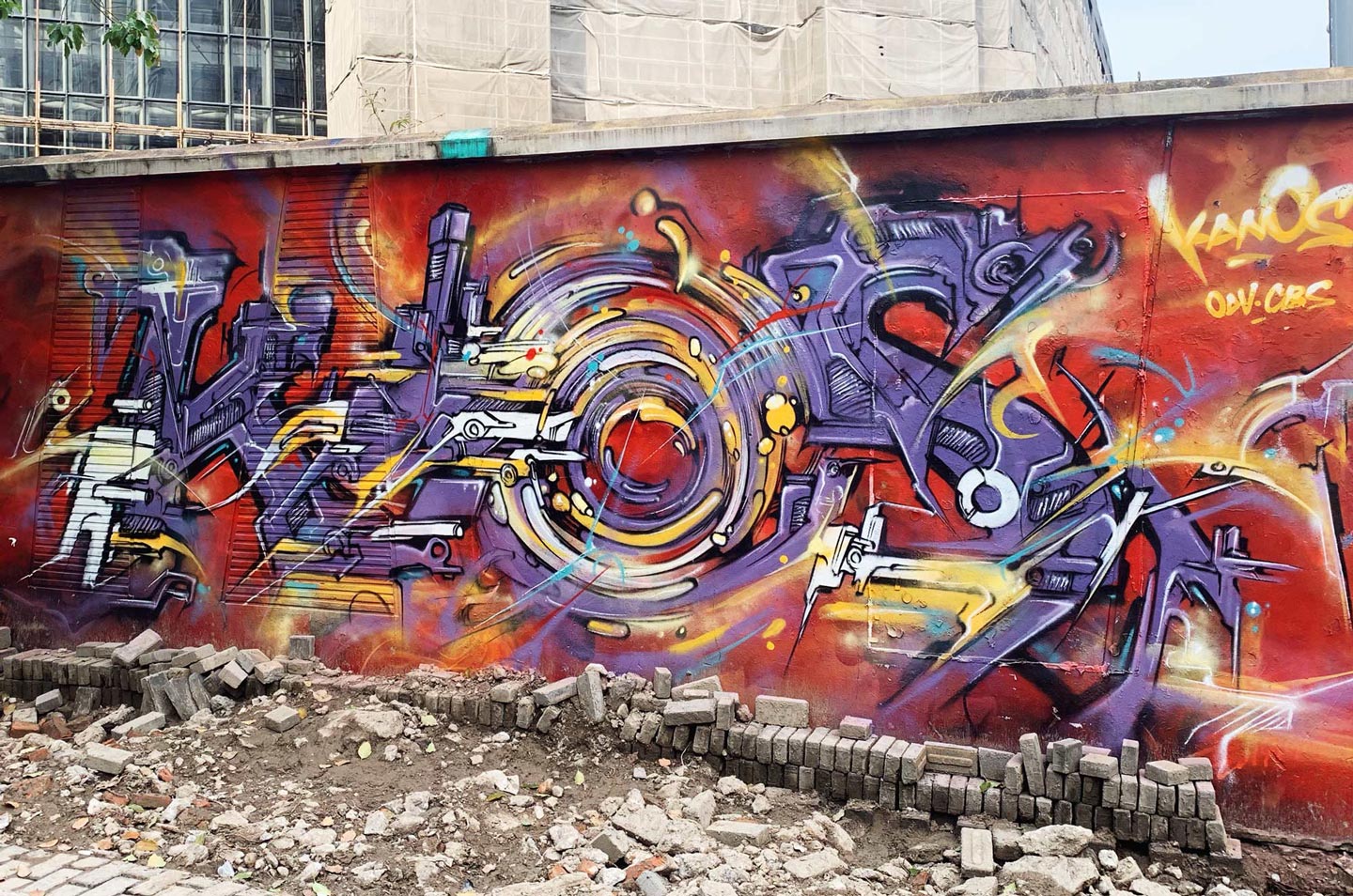
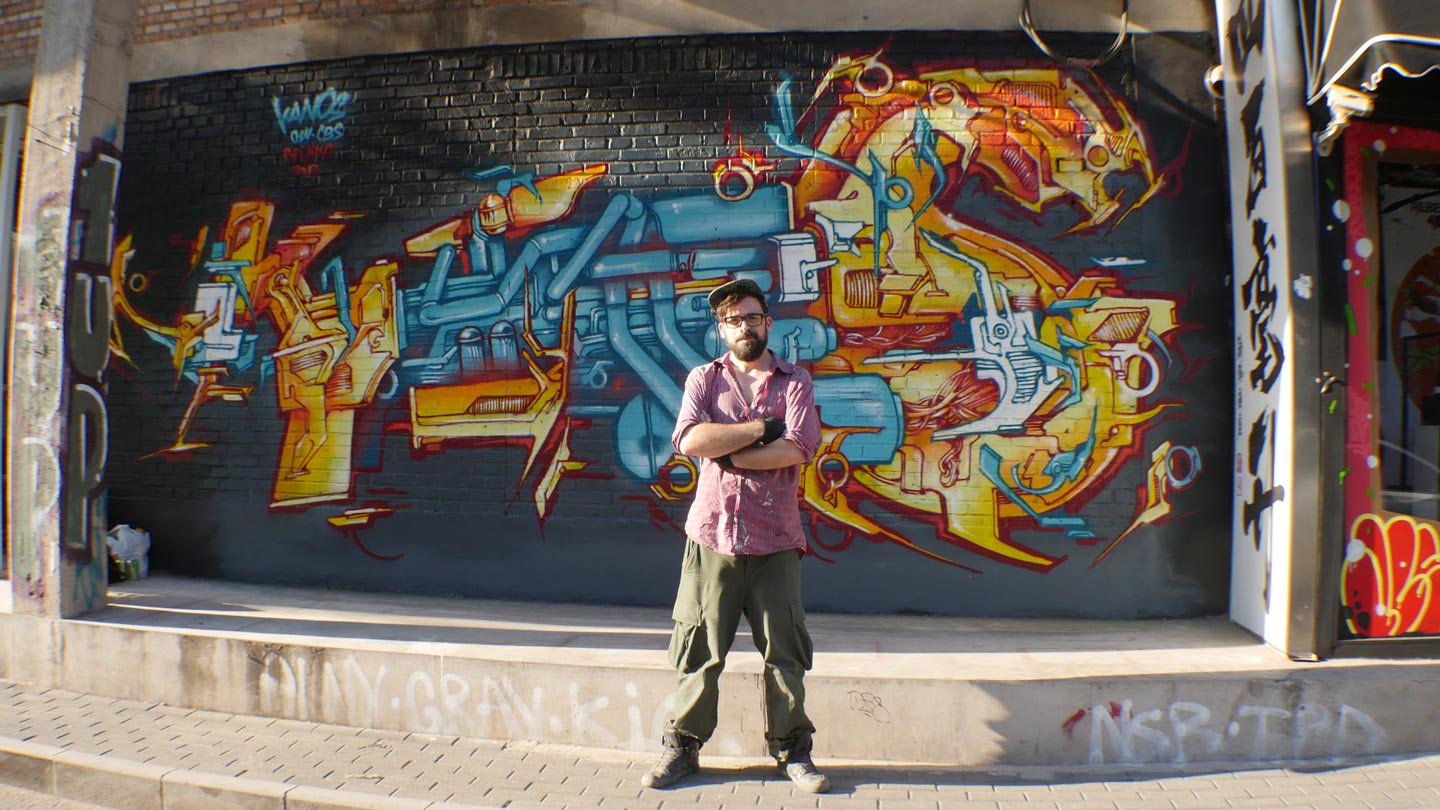
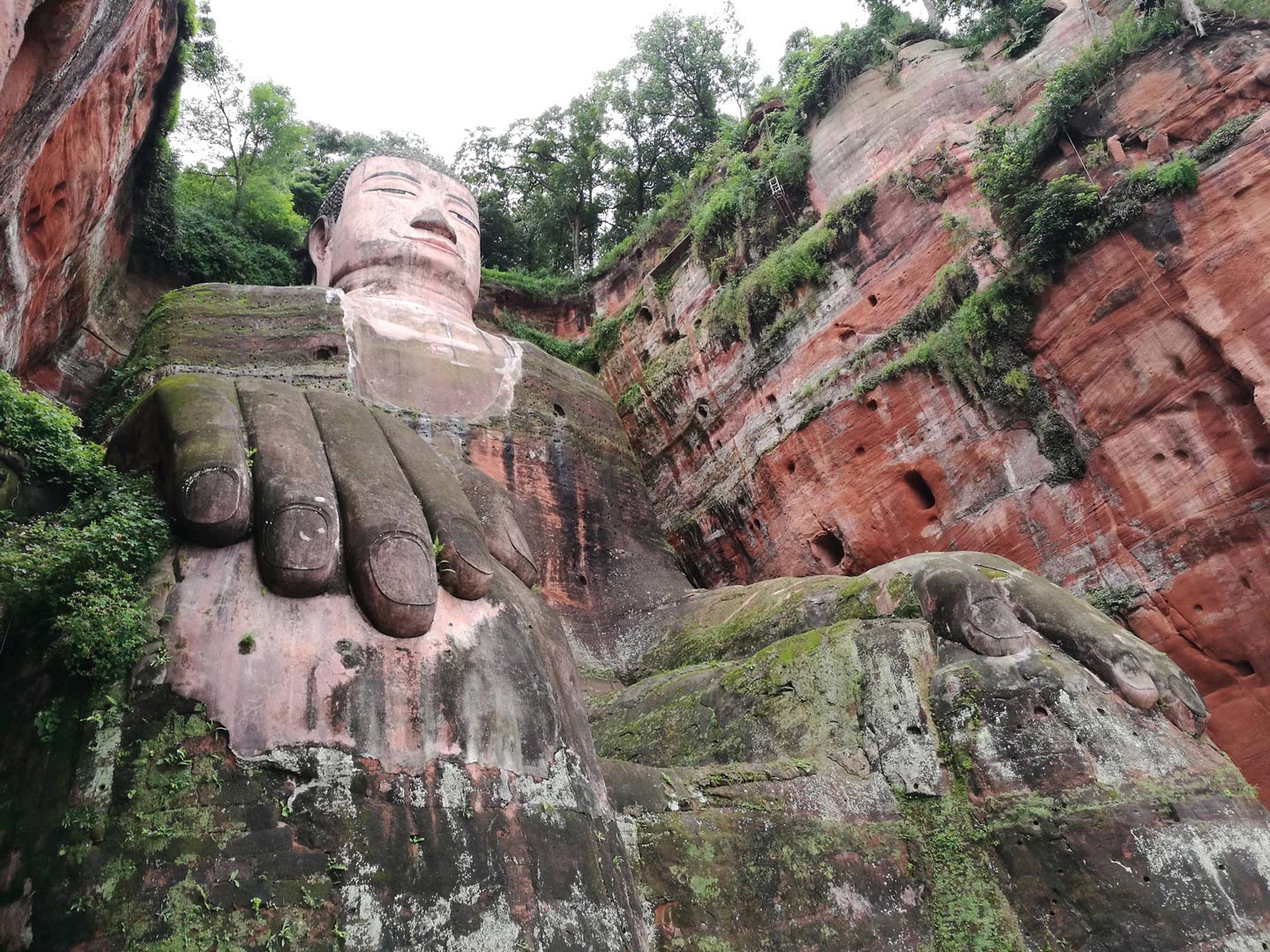
I started in Shanghai, where I painted with Dezio. Then, I headed to Beijing, where I met Andy and Xer and created a mural on the wall of their spray shop. After visiting the Great Wall and several temples, I traveled to Chengdu to paint with Jakob and Klub2020 in an abandoned location. I finished my trip in Leishan, at the foot of the world’s largest Buddha, carved into the rock.
China has become an increasingly important destination within the global street art and graffiti landscape. While its urban culture developed differently from Western graffiti movements, many cities have built active communities of artists, muralists and creative collectives. This journey offered a unique opportunity to discover these scenes firsthand and exchange ideas through painting.
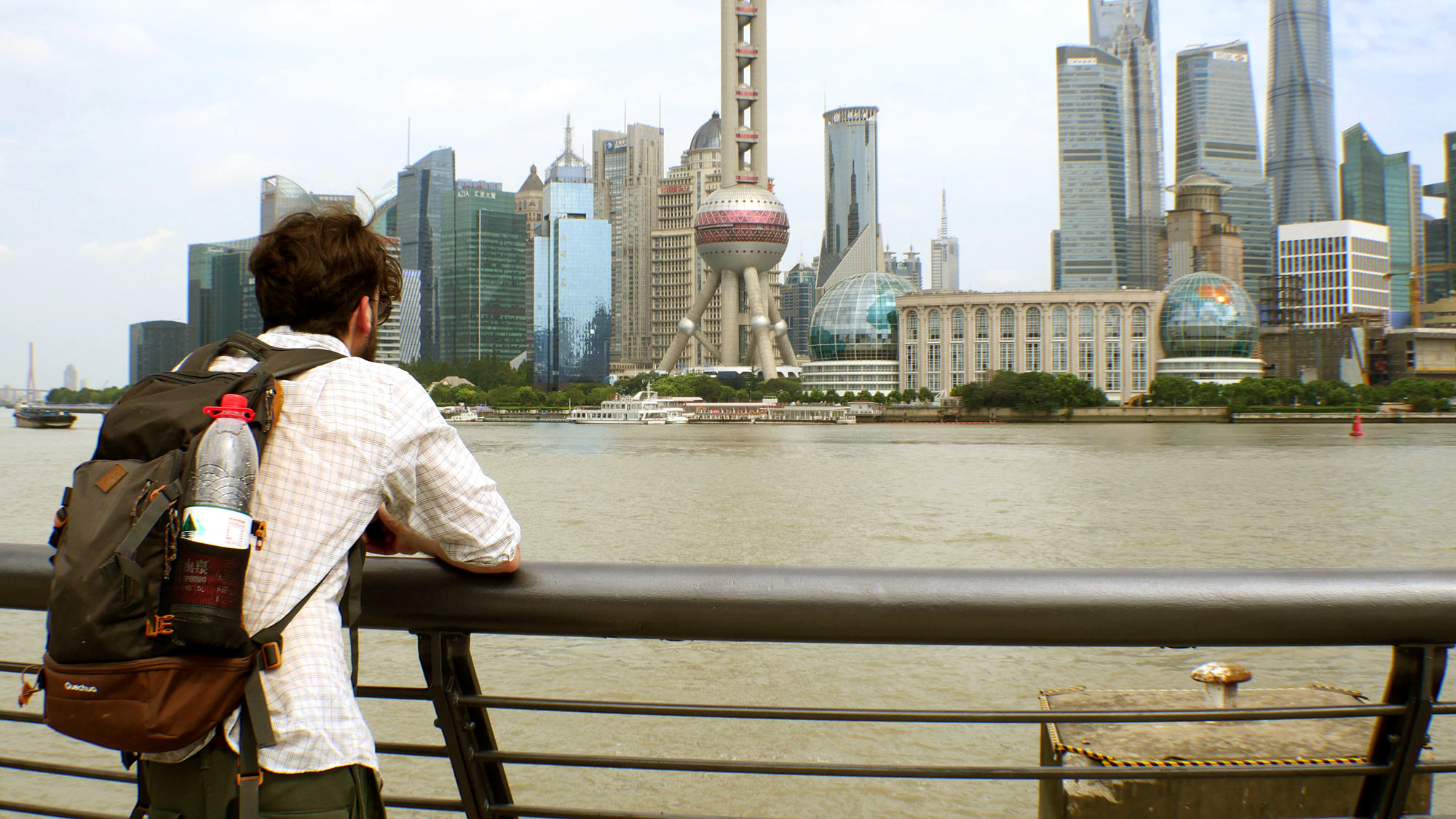
The trip began in Shanghai, one of China’s most dynamic and internationally connected cities. Known for its rapid urban development, architectural contrasts and creative energy, Shanghai provided an inspiring environment for artistic collaboration. Painting alongside local artist Dezio offered insight into how graffiti culture has evolved within contemporary Chinese cities.
From Shanghai, the journey continued to Beijing. As the country’s political and cultural capital, Beijing combines centuries of history with an increasingly diverse urban art scene. During this stop, I collaborated with Andy and Xer and painted a mural on the wall of their spray paint shop. Projects like these are often among the most rewarding aspects of travel, creating opportunities to connect directly with local artists and communities.
Exploring China also meant discovering places beyond the walls. Visiting historical landmarks such as the Great Wall and ancient temples provided a deeper understanding of the country’s cultural heritage. These experiences inevitably influence artistic perception, enriching the creative process through exposure to different histories, symbols and visual traditions.
The next stage of the journey led to Chengdu, a city known for its unique atmosphere, cultural identity and growing creative scene. There, I painted with Jakob and Klub2020 in an abandoned location. Such environments often offer complete freedom for experimentation, allowing artists to develop large-scale works outside conventional exhibition spaces.
Abandoned sites have long played an important role in graffiti culture. They function as temporary galleries where artists can create without restrictions, test new ideas and engage directly with the raw character of urban environments. The Chengdu session became one of the highlights of the trip for this reason.
The final destination was Leishan, located near one of China’s most impressive landmarks: the giant Buddha carved into the mountainside. This monumental setting created a striking contrast with the contemporary urban environments encountered earlier in the journey. The combination of ancient heritage and modern artistic practice reflects one of the most fascinating aspects of traveling through China.
Throughout the trip, hip-hop culture served as a common language. Despite differences in geography, language and background, graffiti artists often share similar values related to creativity, experimentation and exchange. These shared references made collaboration possible across every city visited during the journey.
Travel has always been closely connected to graffiti culture. Since the early days of the movement, artists have crossed borders to discover new styles, paint with local communities and expand their understanding of urban culture. International exchanges contribute to the constant evolution of graffiti by introducing new influences and perspectives.
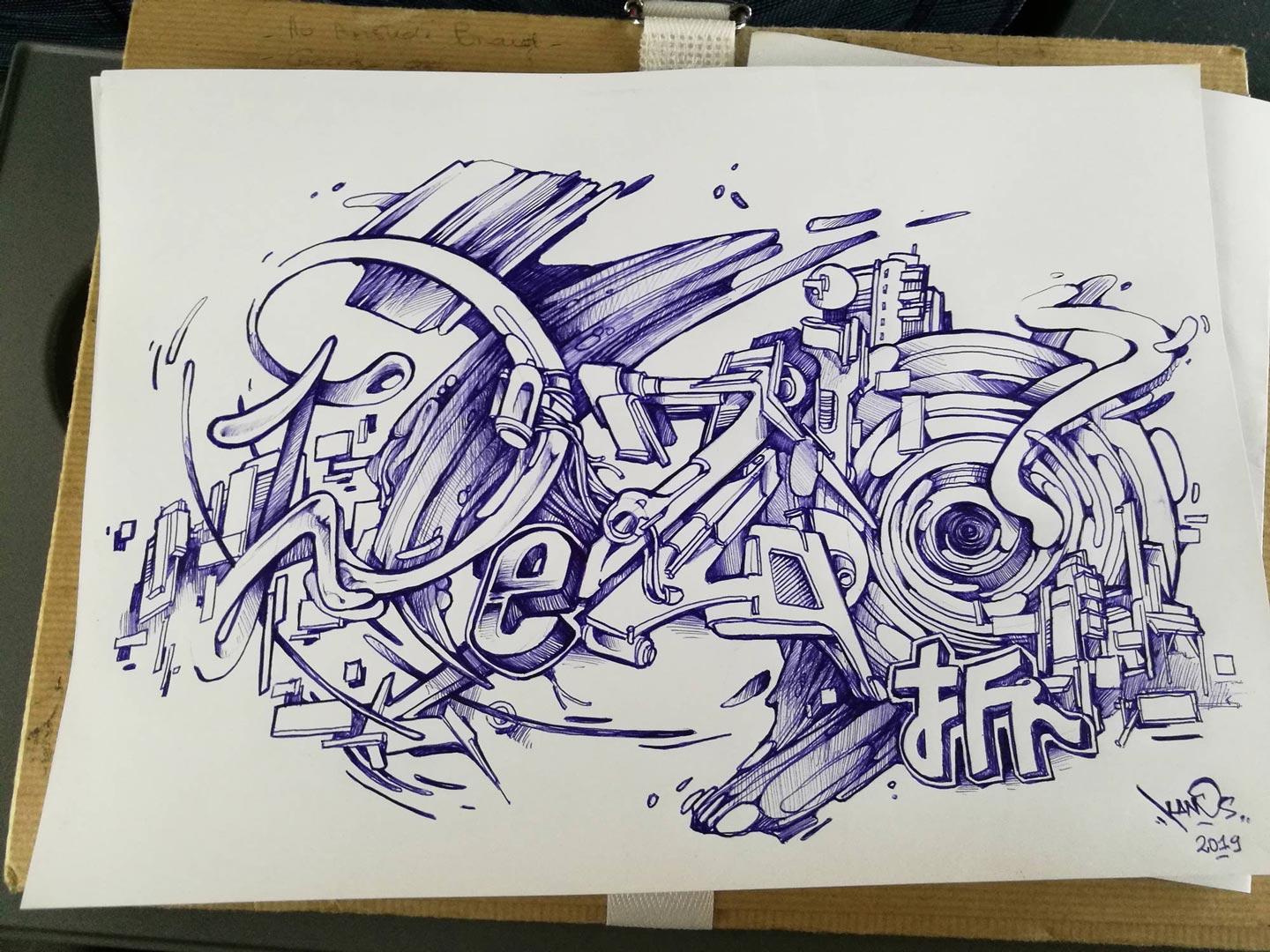
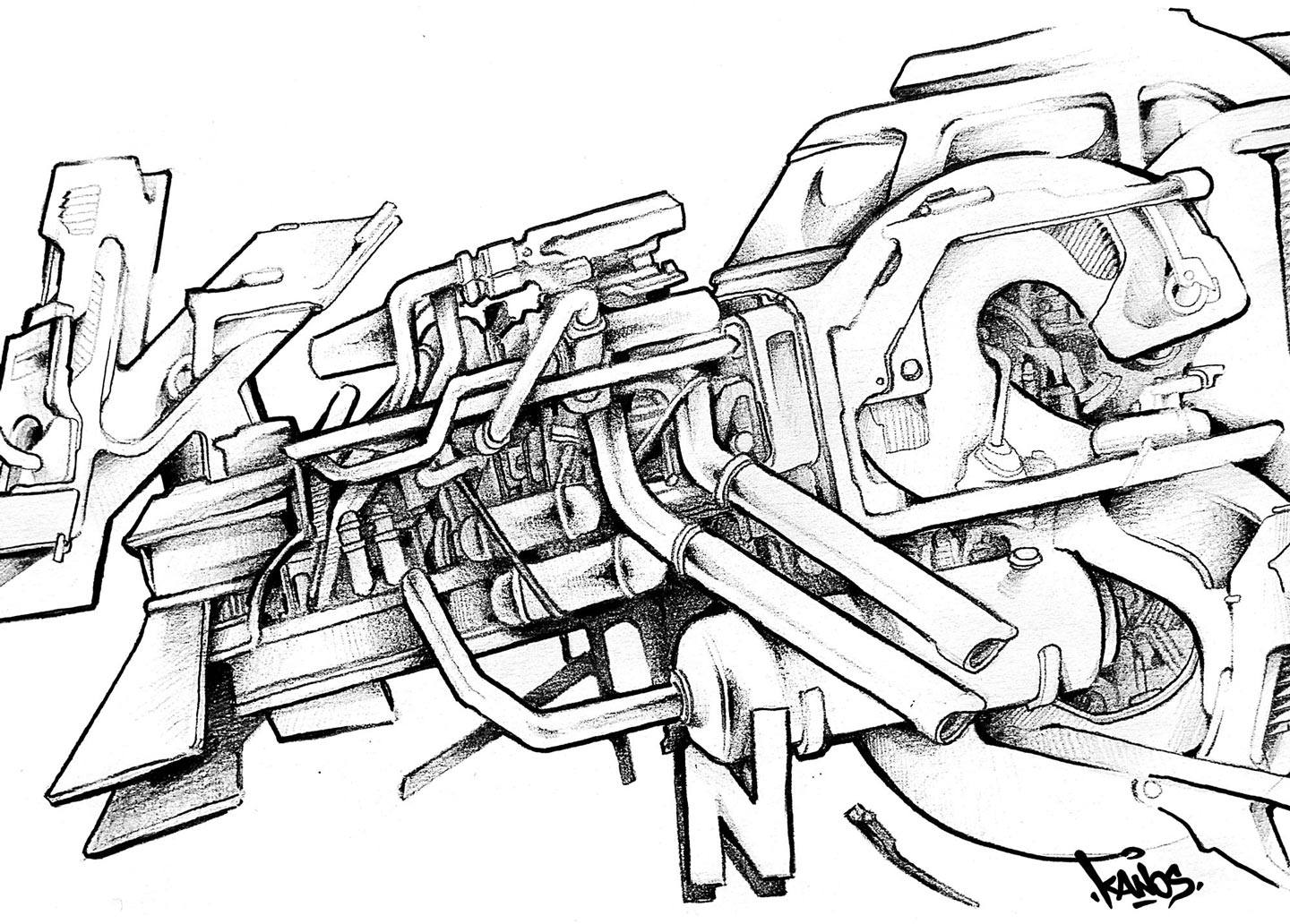
This Chinese journey became much more than a series of painting sessions. It was an opportunity to experience different regions, meet talented artists and witness how street art develops within a rapidly changing society. The murals created along the way remain connected to the people and places that shaped them.
Ultimately, Made in China 2019 documents a creative journey through Shanghai, Beijing, Chengdu and Leishan. Through collaborations, travel and artistic exchange, the project celebrates the global nature of graffiti culture and the ability of street art to connect people across continents.
Frequently Asked Questions
What is Made in China 2019?
Made in China 2019 documents a street art journey by Alex Kanos across several Chinese cities, painting murals and collaborating with local artists.
Which cities were visited during the trip?
The journey included Shanghai, Beijing, Chengdu and Leishan.
Who did Alex Kanos collaborate with in China?
He painted alongside artists including Dezio, Andy, Xer, Jakob and Klub2020.
Why is China interesting for street art?
China has developed active urban art and hip-hop communities that continue to grow and evolve across major cities.
What inspired the project?
The project was inspired by travel, cultural exchange, graffiti culture and the opportunity to discover local artistic communities.