


Every Day Life
With Emel13
Every Day Life / Poetic Film About Everyday Human Routine
every day life is a poetic short film exploring the quiet rhythm of an ordinary day, from waking in the morning to the final moments before sleep. Rather than following a dramatic narrative, the film observes the small gestures that shape everyday existence. It focuses on the ordinary actions that are repeated almost unconsciously throughout our lives, transforming routine into a subject worthy of careful observation.
The project was conceived as an intimate visual study rather than a conventional portrait. The central character is a young woman, but her identity deliberately remains undefined. The audience never sees her face clearly. Instead, the camera reveals fragments of her body—her hands, her silhouette, her legs and the subtle movements that accompany daily activities. By withholding facial identity, the film encourages viewers to imagine that the character could represent anyone.
This absence of explicit identity is fundamental to the project. The woman portrayed is not intended to be a specific individual but a universal figure through whom everyday human experience can be observed. The gestures shown throughout the film belong to countless ordinary lives and invite viewers to recognise elements of their own routines.
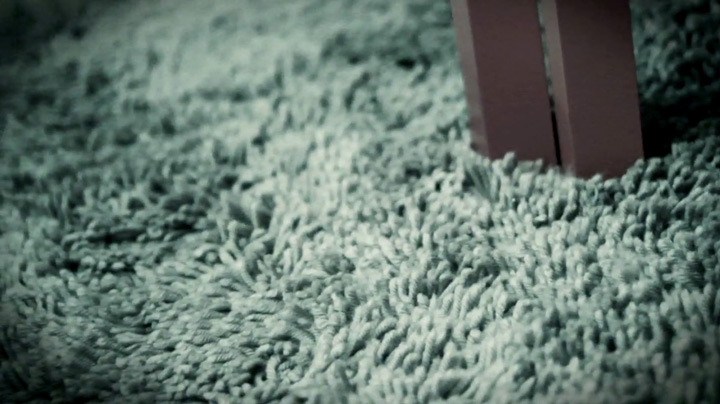
One of the defining visual characteristics of the project is the use of a 50 mm lens. This focal length produces a natural perspective while allowing extremely selective focus. Throughout the film, attention is directed toward textures, surfaces and details rather than complete scenes. Objects that might otherwise remain unnoticed become the primary visual subject.
The shallow depth of field isolates individual moments from their surroundings. Hands resting on fabric, fingers touching everyday objects, movements across a room or subtle changes of light become central elements of the composition. The blurred background removes unnecessary information and allows the viewer to concentrate entirely on the physical presence of these small gestures.
This visual approach transforms ordinary domestic space into a contemplative landscape. Rather than documenting actions objectively, the film invites prolonged observation of materials, textures and movement. Everyday life becomes a sequence of visual fragments assembled through careful cinematography.
The slow rhythm of the editing reinforces this contemplative atmosphere. Instead of accelerating time, the film deliberately allows each gesture to unfold. This pacing encourages viewers to become aware of the beauty hidden within repetition and routine, suggesting that even the simplest actions contain emotional and symbolic significance.
Although the film follows the chronology of a single day—from morning until night—it avoids conventional storytelling. There are no dramatic conflicts or explicit narrative resolutions. What evolves instead is the viewer’s perception of time itself. The succession of small moments gradually constructs an emotional portrait of everyday existence.
This approach shares conceptual similarities with Toujours à sa fenêtre. In both projects, the objective is not to document extraordinary events but to observe the passage of time through ordinary experience. While one film contemplates the changing life of a city from a single window, every day life turns its attention inward toward the intimate gestures that define individual existence.
In both works, time becomes the principal subject. Rather than measuring it through clocks or calendars, the films reveal its presence through repetition, movement and transformation. Everyday actions become markers of passing hours, just as changing weather and traffic rhythms structure the urban landscape in the earlier project.
Music plays an equally important role in shaping the atmosphere. The original soundtrack was composed by my longtime friend Vincent Baudry, whose work brings a refined jazz sensibility to the film. His composition recalls the atmosphere of classic film noir from the 1960s while remaining contemporary in its emotional subtlety.
The music does not simply accompany the images; it extends them. Soft jazz harmonies introduce a timeless quality that removes the story from any precise historical moment. The routine presented on screen could belong to the present, the recent past or an undefined period suspended outside chronological time.
This timelessness reinforces the universality of the project. The film does not attempt to document one particular person or one particular day but rather the shared experience of moving through ordinary existence. Every morning begins another cycle of familiar gestures, each one quietly contributing to the larger narrative of a human life.
By concentrating on details instead of spectacle, every day life encourages viewers to reconsider the significance of ordinary moments that often pass unnoticed. The smallest gestures, repeated every day without reflection, become the true subject of the film. Through careful framing, selective focus and patient observation, routine itself acquires a poetic dimension.
Ultimately, every day life is less a portrait of one individual than a meditation on everyday existence. It reminds us that our lives are built not only through exceptional events but also through the countless quiet actions that shape each day. Combined with Vincent Baudry’s timeless musical score, the film offers a contemplative invitation to slow down, observe and rediscover the poetry hidden within the simplest moments of daily life.
Music : Vincent Baudry With Emel13
Frequently Asked Questions
What is Every Day Life about?
It is a poetic short film exploring the quiet beauty of everyday routines from morning to night.
Why is the woman’s face never shown?
Her identity remains anonymous so that the character can represent anyone experiencing the routines of daily life.
Why was a 50 mm lens used?
The lens creates a shallow depth of field that isolates details, textures and gestures while producing an intimate visual atmosphere.
How does this film relate to Toujours à sa fenêtre?
Both films explore the passage of time through observation, transforming ordinary moments into poetic reflections on everyday existence.
Who composed the music for the film?
The original jazz-inspired soundtrack was composed by Vincent Baudry, whose music gives the film a timeless atmosphere reminiscent of classic 1960s film noir.