
History of USA Through Assassinations – Painting Series
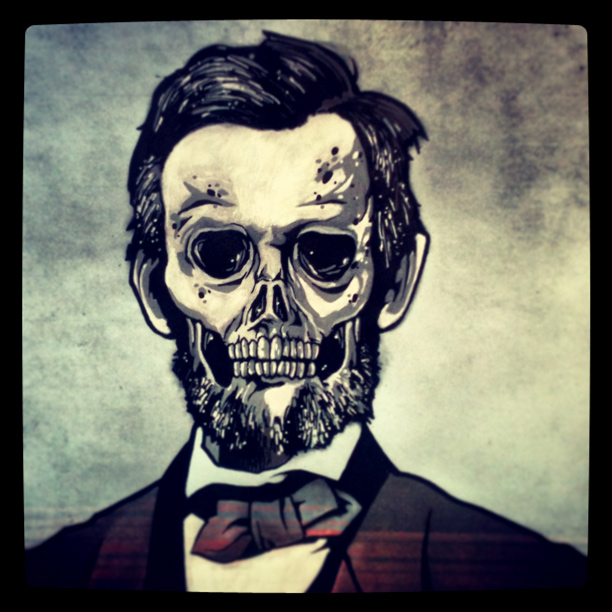
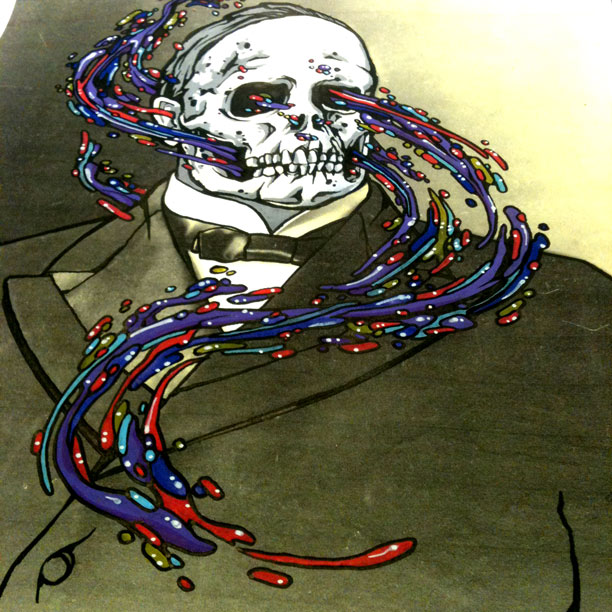
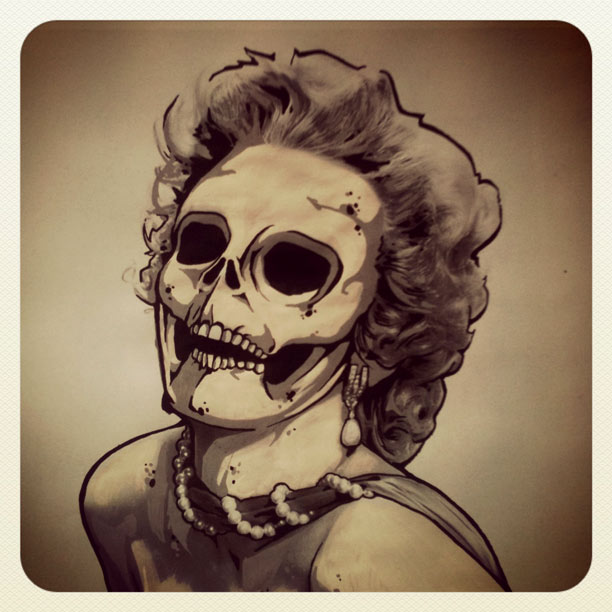
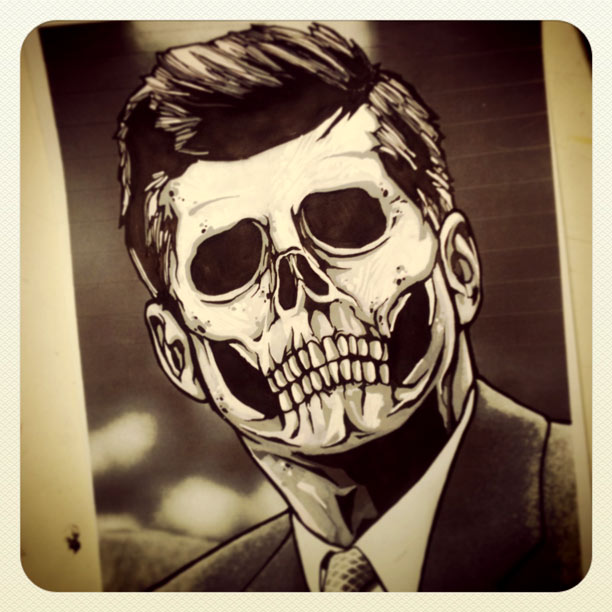
This series is based on a visual study of United States history through portraits of major public figures who were assassinated. The selection includes Abraham Lincoln, John F. Kennedy, Malcolm X, Martin Luther King Jr., Sitting Bull, James A. Garfield, Marilyn Monroe, Tupac Shakur, and The Notorious B.I.G.
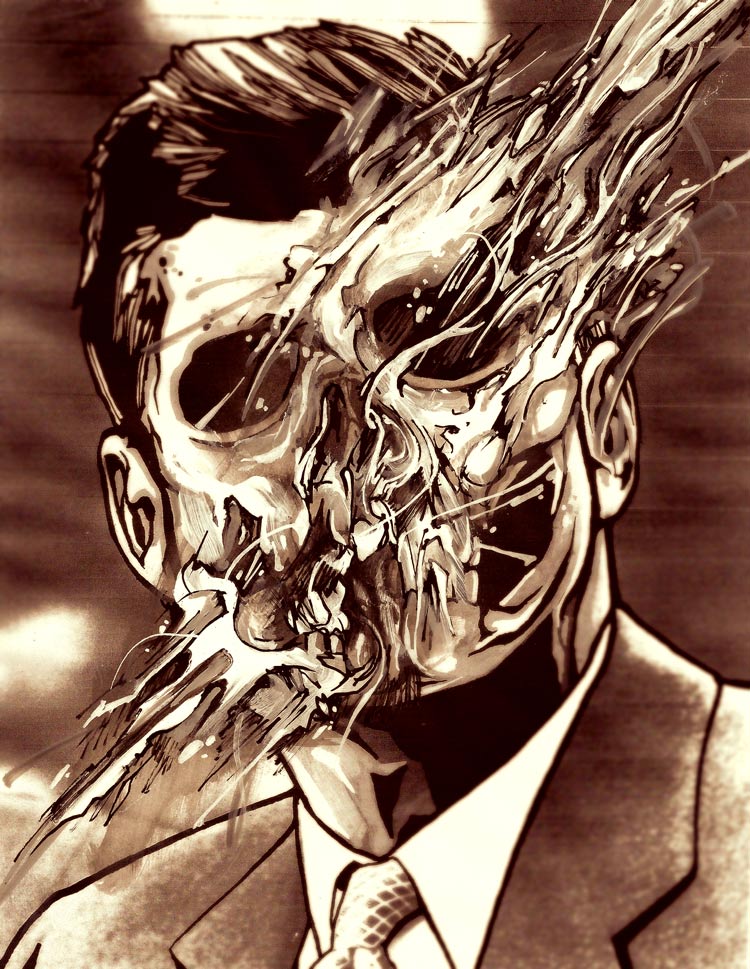
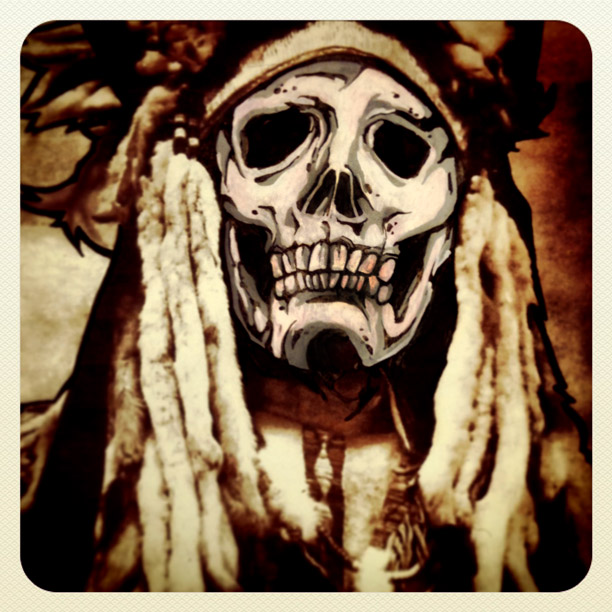
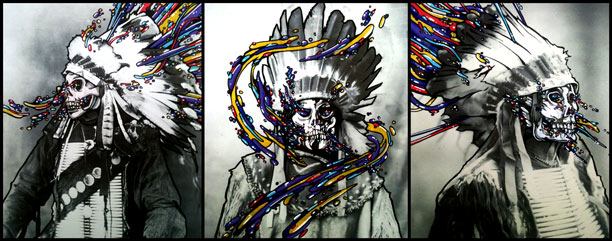
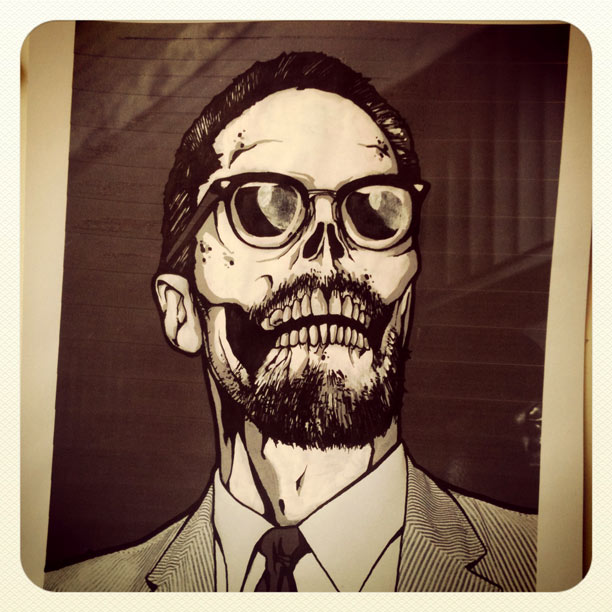
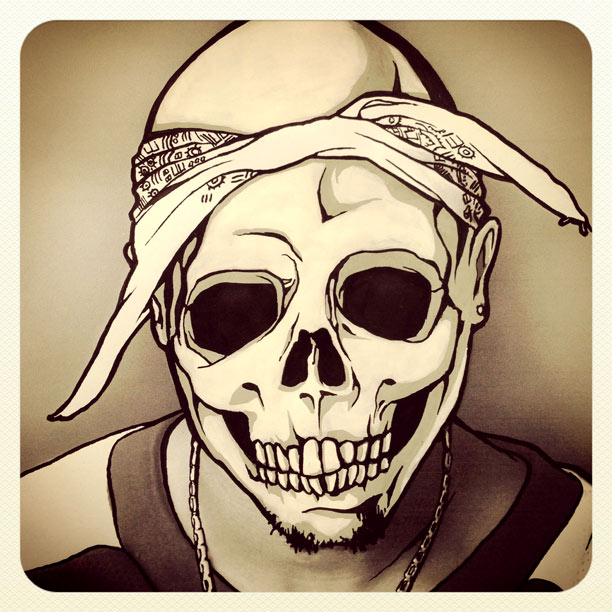
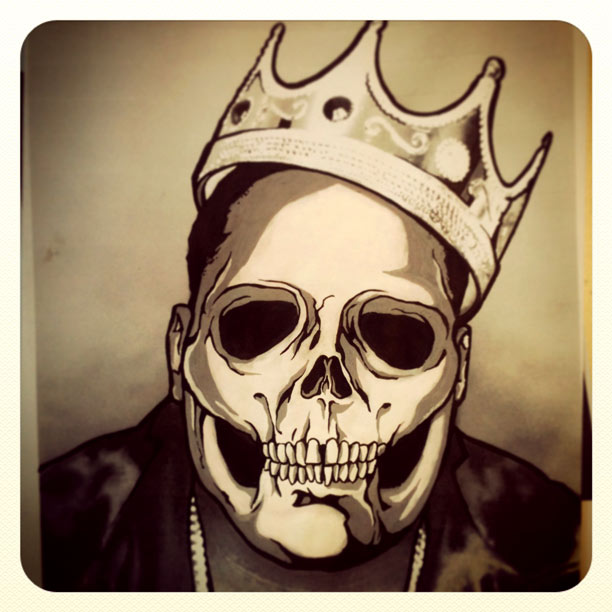
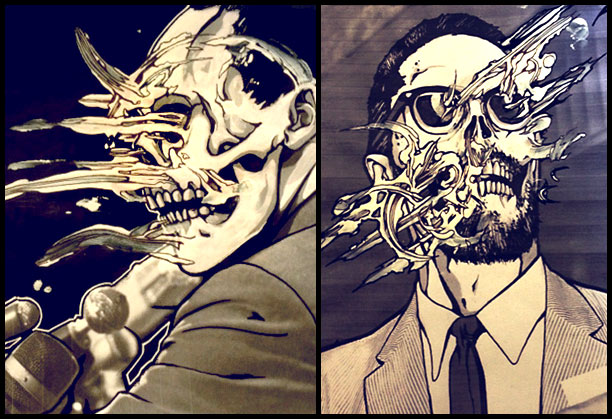
Each work begins from photographic material that is reworked through painting interventions. The images are not treated as simple representations but as fragments of historical memory, where meaning is constructed through alteration, layering and disruption.
The series explores how violence is embedded within American historical and cultural narratives. Rather than isolating individual biographies, it constructs a visual system where different eras and identities coexist within the same conceptual space.
The United States is often associated with narratives of progress, modernity and cultural influence. However, this work highlights another dimension: a recurring pattern of violent rupture that affects both political structures and cultural production.
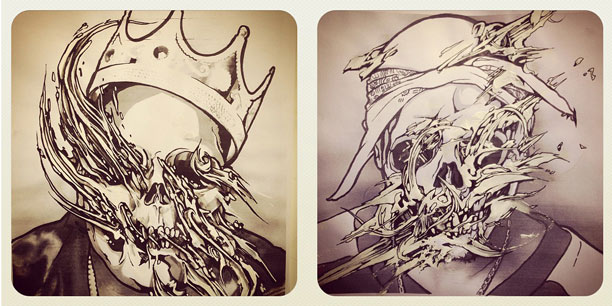
Each portrait becomes a site of tension between presence and absence. The painted interventions partially obscure, distort or reframe the original photographic sources, creating a visual language of fragmentation.
This fragmentation reflects the way historical memory operates. Events are not remembered as complete narratives but as selective images, repeated and reinterpreted over time.
By placing political leaders, civil rights figures and cultural icons within the same series, the work removes hierarchy between categories of public figures. Instead, it focuses on the shared condition of disappearance through violence.
The inclusion of figures from popular culture such as Tupac Shakur and The Notorious B.I.G. extends the reflection into the realm of music and media. It highlights how cultural myths are also shaped by early deaths and violent narratives.
The series does not aim to provide answers or conclusions. It functions as a visual archive of rupture, where each portrait contributes to a broader reflection on historical continuity and discontinuity.
The repetition of the format across multiple figures creates a rhythm of interruption. This rhythm becomes the structure of the work itself, replacing linear storytelling with cyclical patterns of memory and loss.
Ultimately, the series questions how societies construct historical identity through selective remembrance and how violence remains a recurring structural element within that construction.
The series uses assassination not as isolated events but as recurring markers that structure collective memory across different eras of American history. It creates a visual link between political power, cultural influence, and media representation.
By bringing together figures from politics, civil rights, and pop culture, the work highlights how violence becomes embedded in both historical narratives and contemporary imagery.
Frequently Asked Questions
What is this series about?
A painting series exploring US history through portraits of assassinated public figures.
Which figures are represented?
Abraham Lincoln, John F. Kennedy, Malcolm X, Martin Luther King Jr., Sitting Bull, James A. Garfield, Marilyn Monroe, Tupac Shakur and The Notorious B.I.G.
What is the concept?
It examines how violence shapes historical memory and cultural narratives in the United States.
What technique is used?
Photographic portraits are reworked with painted interventions to create layered and fragmented imagery.
Is the series chronological?
No. It is structured as a conceptual archive rather than a timeline.