
Croquis 2010 / Sketches Archives
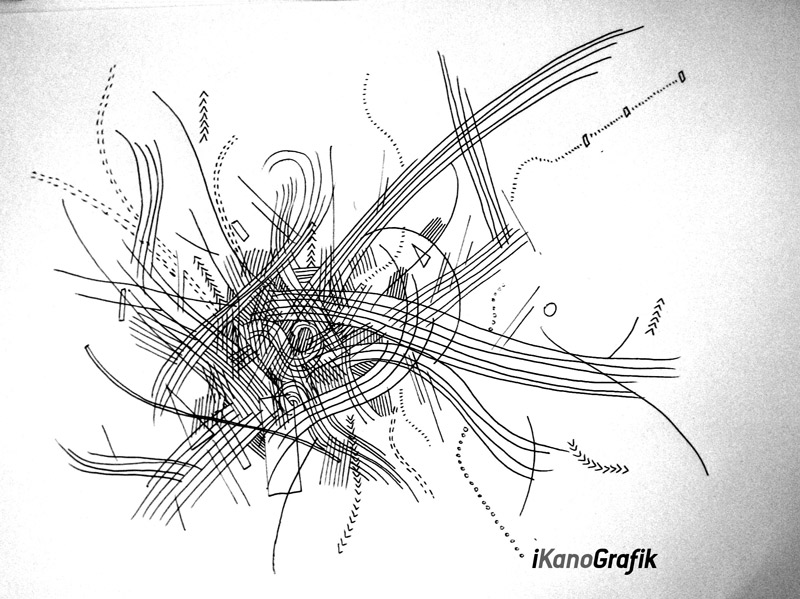
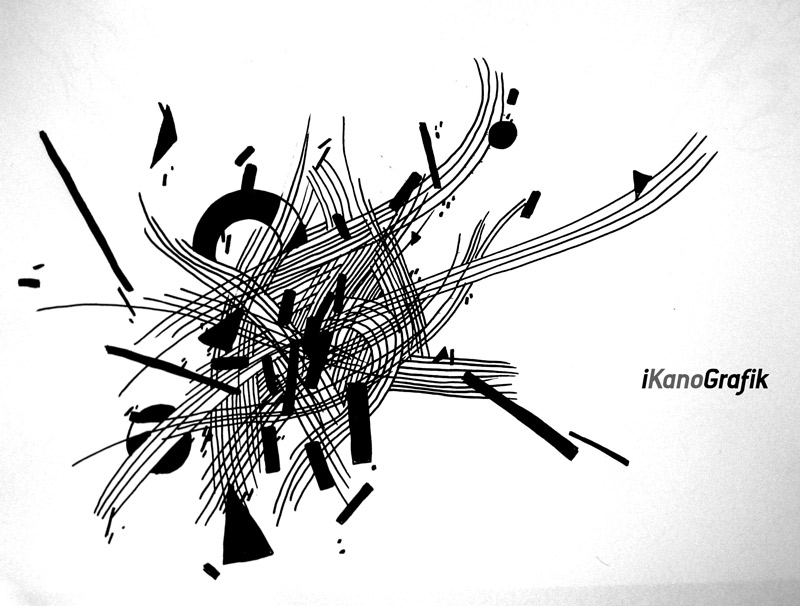
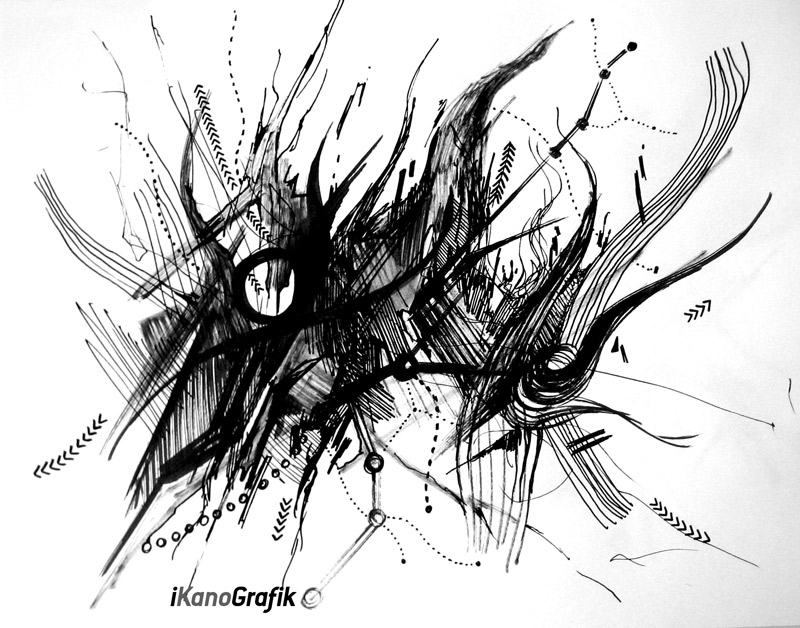
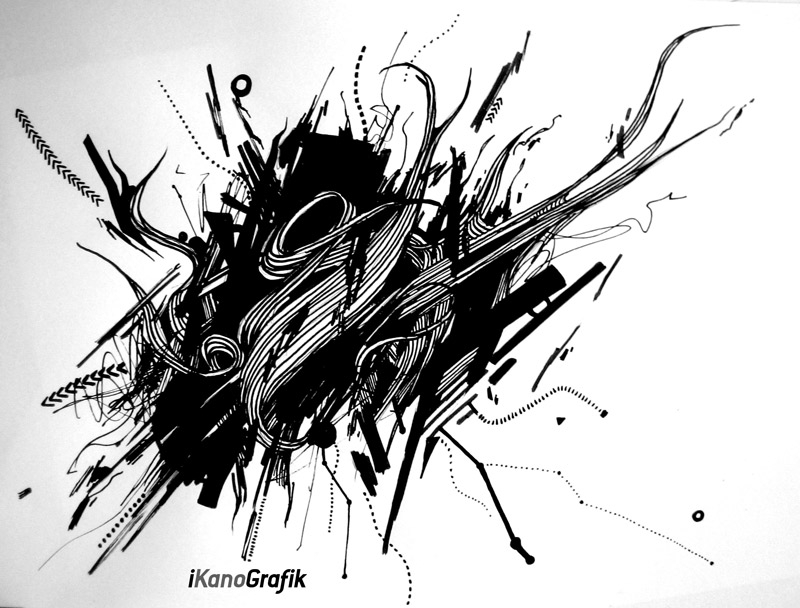
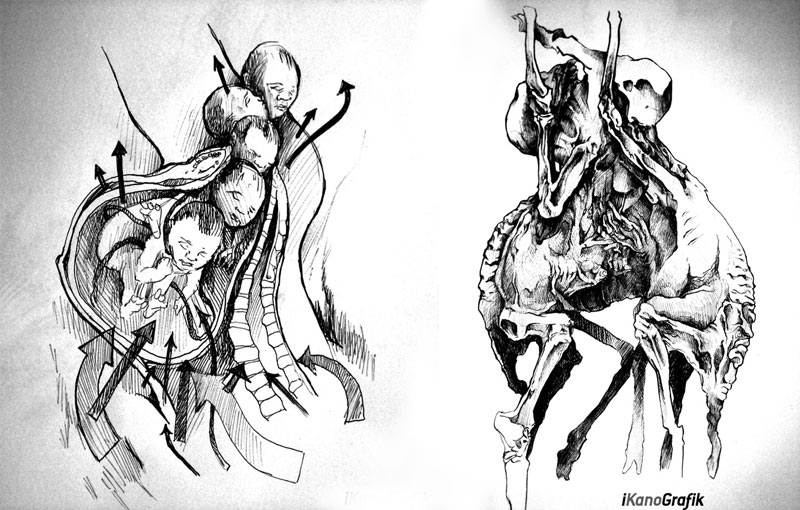
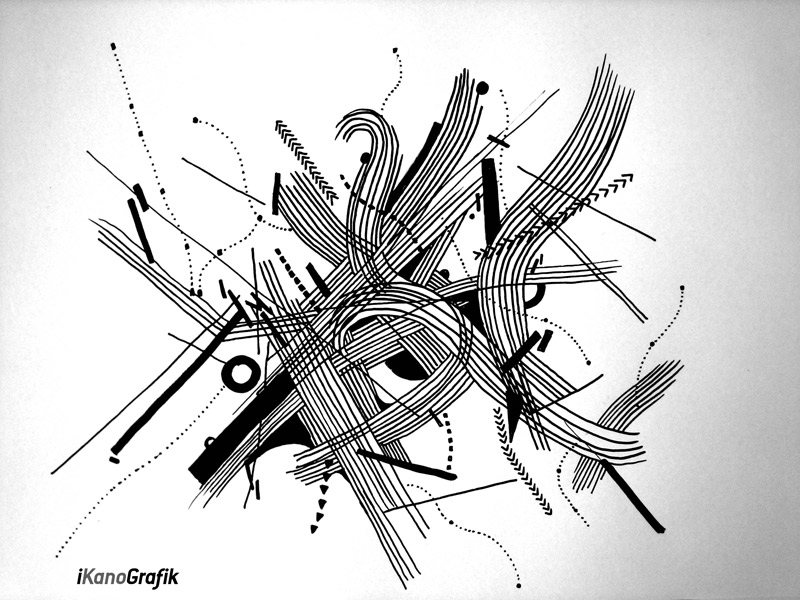
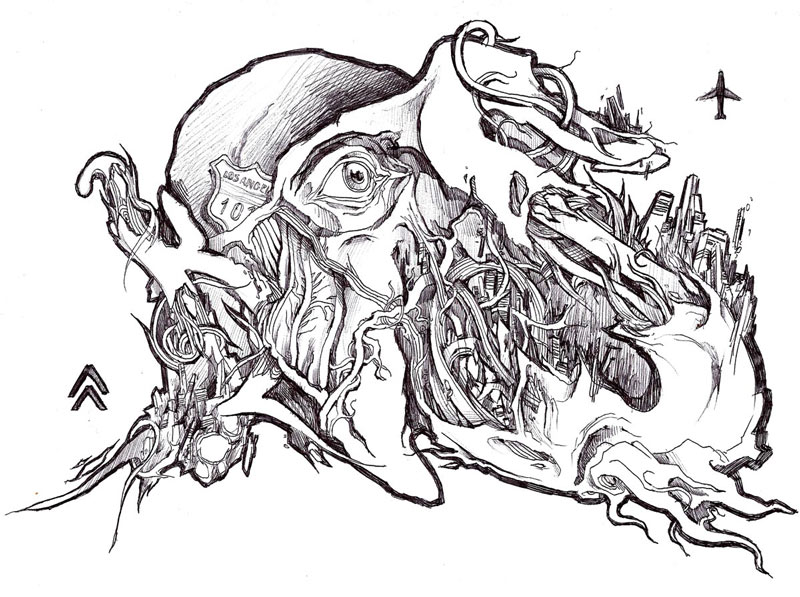
Croquis 2010 presents a collection of sketches and drawings produced mainly in black and white during an important period of artistic research. Although these works were created in the studio rather than directly on walls, they became the foundation for many graffiti murals developed during 2010, 2011 and 2012. More than preparatory studies, these drawings function as a visual laboratory where ideas could be tested, combined and refined before appearing in large-scale paintings.
Drawing has always occupied a central place in my creative process. Before becoming murals, many compositions first exist as rapid sketches, notebook studies or detailed pen drawings. These pages allow visual ideas to evolve freely without the technical constraints imposed by a wall or a large painted surface.
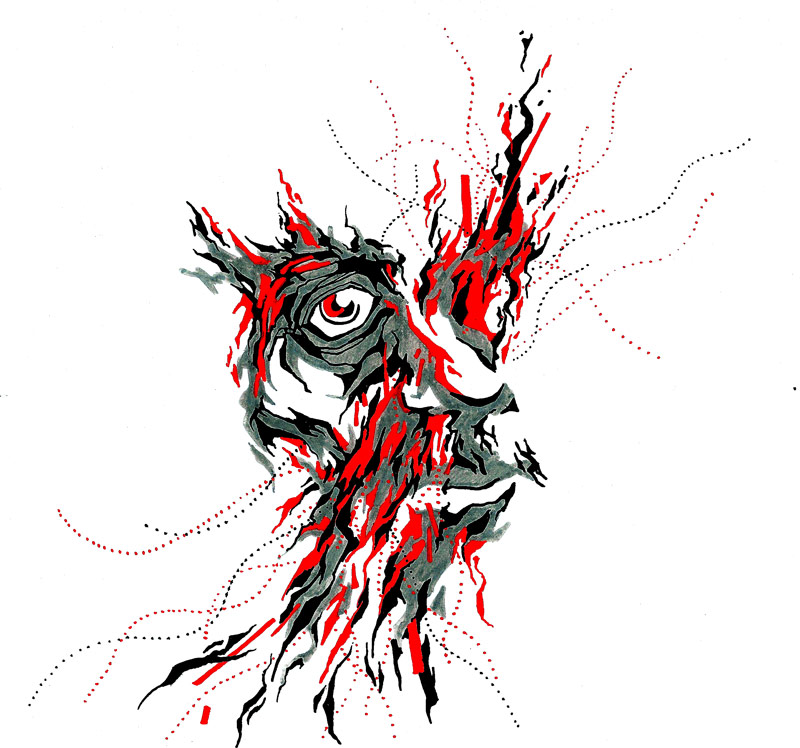
The sketches collected in this archive document the emergence of a visual language that would later become characteristic of my work. Many of the recurring themes developed throughout the following years are already present here in their earliest forms, sometimes as simple graphic experiments and sometimes as nearly complete compositions.
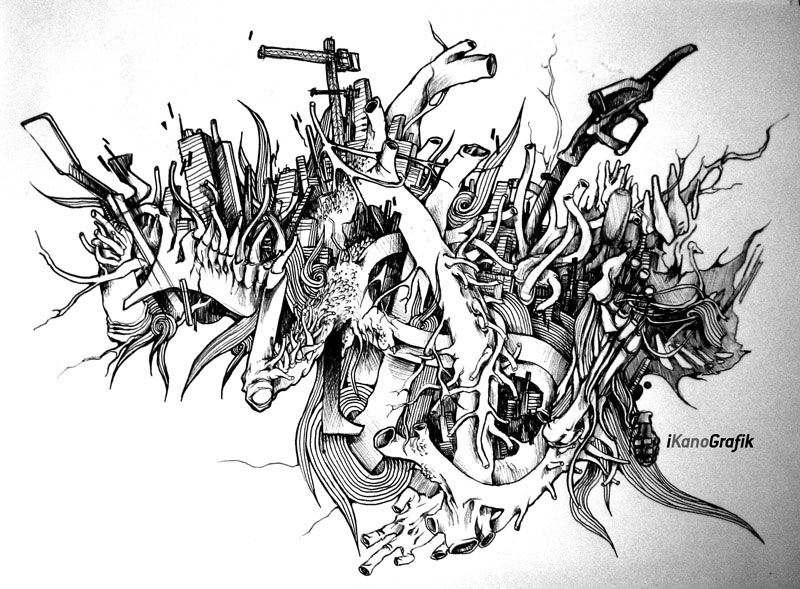
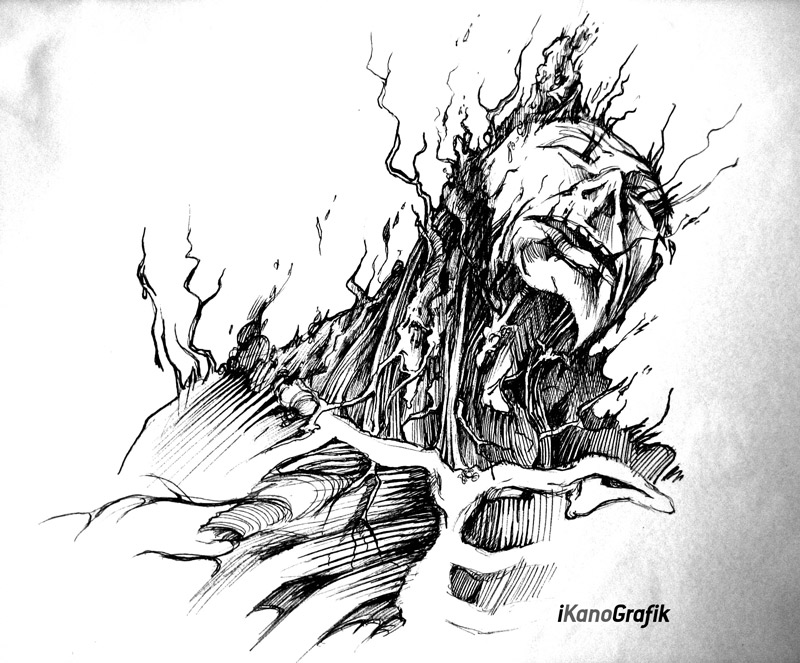
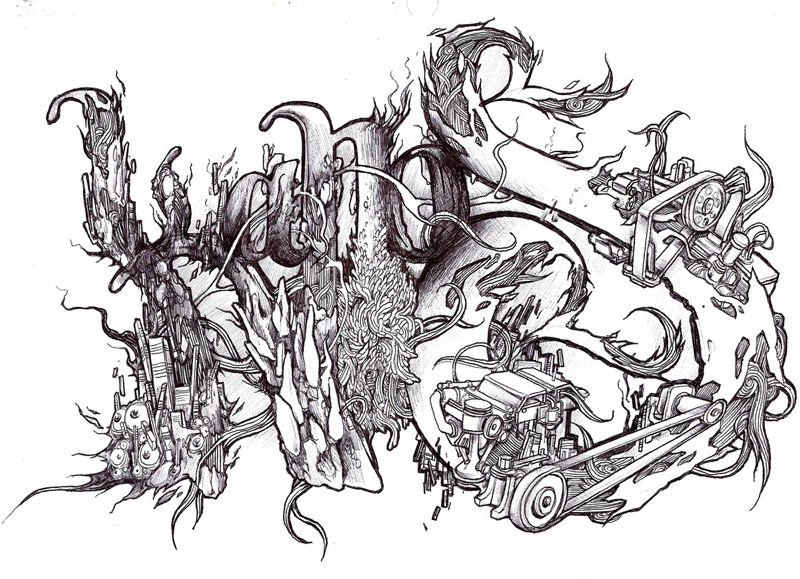
One of the dominant subjects is the fusion between typography and organic forms. Rather than drawing letters independently from the surrounding imagery, I progressively transform them into living structures. Muscles, veins, tissues and anatomical fragments grow directly from the typography, making the letters appear alive rather than constructed.
This dialogue between writing and organic matter would become one of the defining elements of my later murals. The sketches reveal how this visual language developed gradually through repeated experimentation, with each drawing refining the balance between legibility and transformation.
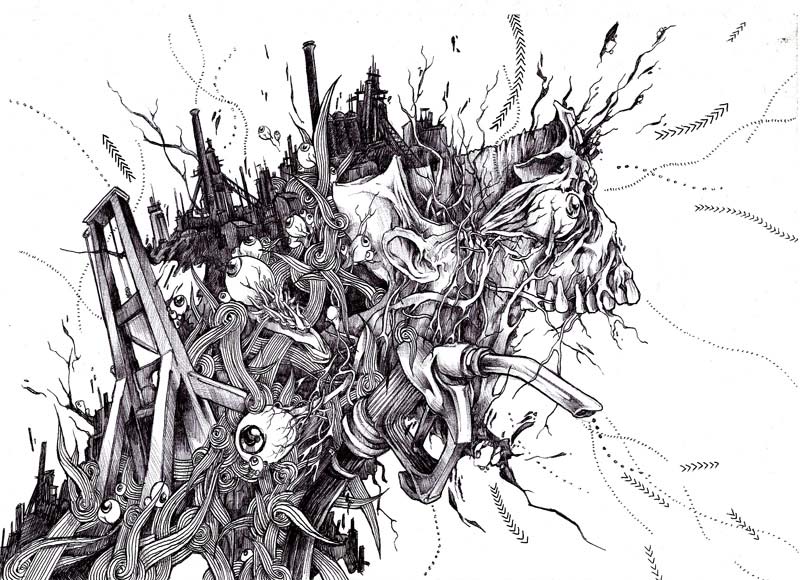
Alongside these biological structures, urban architecture begins to occupy an increasingly important place. Buildings, industrial fragments and architectural elements are integrated into the letters themselves, creating hybrid compositions where the city becomes part of the typography. Walls, rooftops and urban silhouettes appear fragmented, damaged and incomplete, suggesting cities that constantly transform under the effects of time.
These fragmented buildings are not represented as realistic architecture. Instead, they function as symbolic pieces of an urban organism. The city is shown as something unstable, continuously rebuilt while simultaneously erasing its own past. This idea would later become one of the central concepts explored throughout my graffiti practice and my industrial research projects.
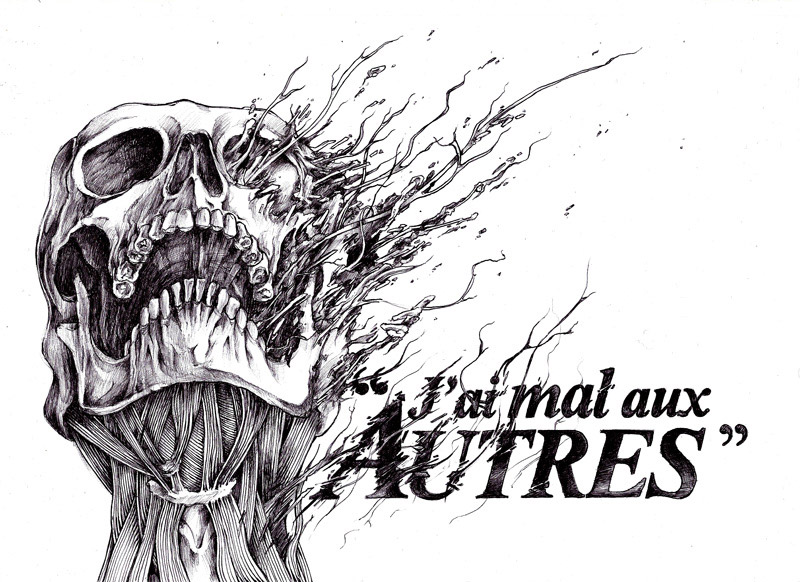
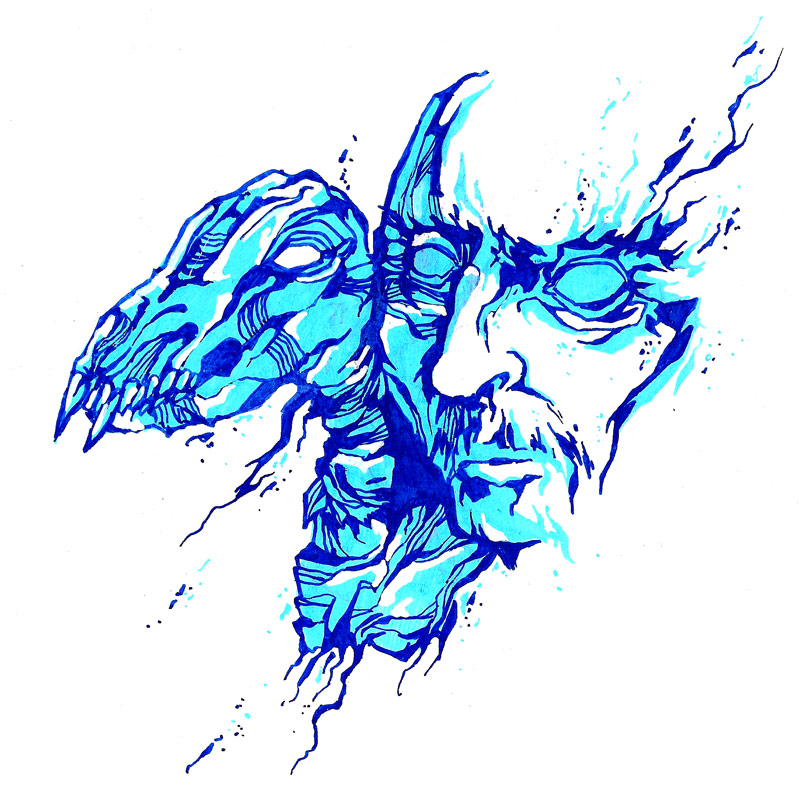
The archive also contains numerous skull drawings. These figures continue a recurring theme already present in my paintings, inspired in part by Latin American imagery and traditions surrounding death as a natural component of life rather than simply a symbol of fear. Within my own work, skulls also refer to the temporary nature of graffiti and the inevitable disappearance of both cities and human existence.
One drawing incorporates the phrase “J’ai mal aux autres” by Jacques Brel. This powerful sentence introduces a human dimension into the sketchbook by expressing empathy toward the suffering of others. Rather than functioning as an illustration of the quotation, the drawing uses it as a conceptual anchor that connects visual research with broader social reflection.
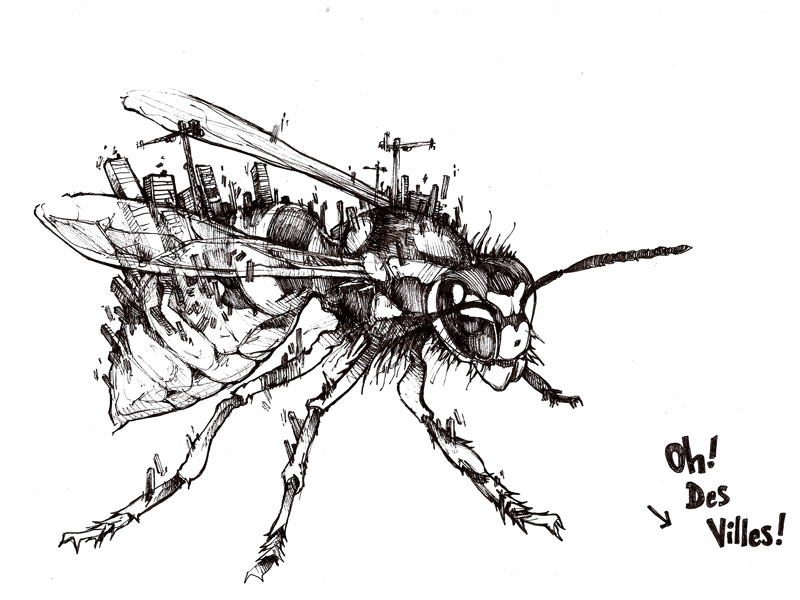
Another striking image shows a wasp carrying an entire city on its back. The insect becomes a metaphor for weight, movement and fragile equilibrium. Like many drawings in this collection, the meaning remains deliberately open, allowing symbolic associations to emerge without being fixed to a single interpretation.
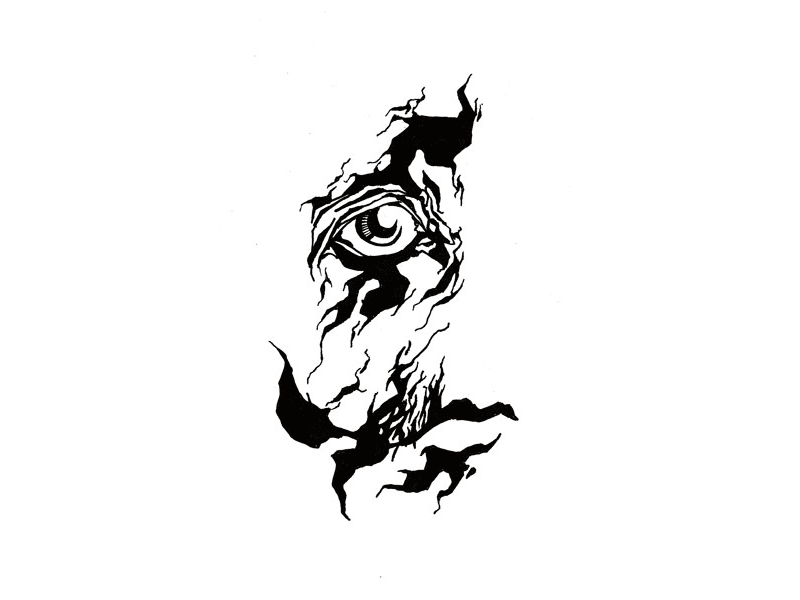
Several pages also explore graphic abrasions and torn surfaces. Fragments appear scratched away, as though the drawings themselves had been damaged by time. These visual ruptures anticipate later mural techniques in which architecture, typography and organic matter appear weathered, eroded or partially erased.
Many of the works were executed using simple ballpoint pen drawings. This modest medium allows precise line work while encouraging spontaneity and continuous experimentation. The limitations of black ink also reinforce attention to structure, rhythm and composition rather than colour.
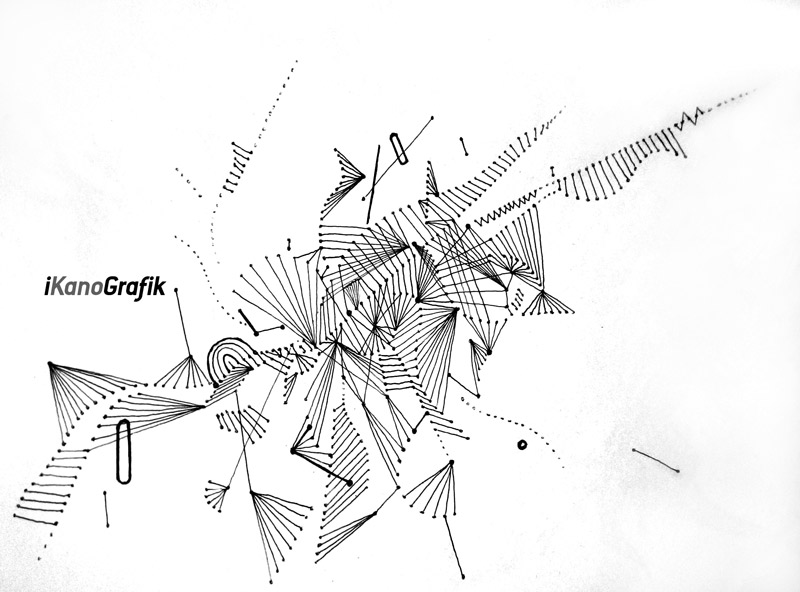
Another significant development visible throughout these sketches is the first appearance of mechanical forms. Small industrial components, pipes, metallic structures and machine-like details gradually begin to merge with organic tissues. At this stage they remain relatively discreet, but they announce the mechanical vocabulary that would later become inseparable from my visual language.
These first mechanical experiments eventually evolved into the hybrid worlds explored in projects inspired by cyberpunk aesthetics, industrial architecture and urban mutation. Combined with organic anatomy, they established the dialogue between nature and machinery that continues throughout much of my work today.
Looking back, Croquis 2010 represents far more than a collection of preparatory drawings. It documents the construction of a personal visual vocabulary through observation, repetition and experimentation. Many of the ideas first explored on these pages later became large-scale graffiti murals, illustrations and conceptual series.
Seen together, these sketches reveal the foundations of an artistic language developed over many years: fragmented typography, organic anatomy, mechanical structures, urban architecture and symbolic imagery all emerge here before expanding into the murals that define my practice. They demonstrate that every finished wall begins long before the spray paint touches the surface, inside a sketchbook where ideas are allowed to grow, transform and connect.
Frequently Asked Questions
What is Croquis 2010?
It is a collection of sketches and drawings that laid the foundations for many graffiti murals created between 2010 and 2012.
Why are these sketches important?
They document the development of the visual language that would later define my graffiti, typography and urban artworks.
What themes appear throughout the sketchbook?
The drawings combine typography, organic anatomy, fragmented architecture, skulls, mechanical forms and symbolic urban imagery.
Why is Jacques Brel quoted in one drawing?
The phrase “J’ai mal aux autres” introduces a human and empathetic dimension that complements the visual research explored in the sketchbook.
How do these sketches connect to later projects?
They introduce the organic, mechanical and architectural vocabulary that later became central to my graffiti murals, the Kanos le billet d’un dollar series and my research on urban transformation.